
1131 (AD) — a year in the High Middle Ages
An overview of the year 1131 in the 12th century: calendar status, geopolitical context across Europe, the Mediterranean, the Crusader states and East Asia, and cultural and social trends of the period.
1131 was a common year of the 12th century, situated in the era historians call the High Middle Ages. In Europe and the Mediterranean the period was marked by political consolidation, dynastic succession and ongoing military and religious campaigns. In East Asia the aftermath of earlier conflicts continued to shape regional polities.
Image gallery
2 Images
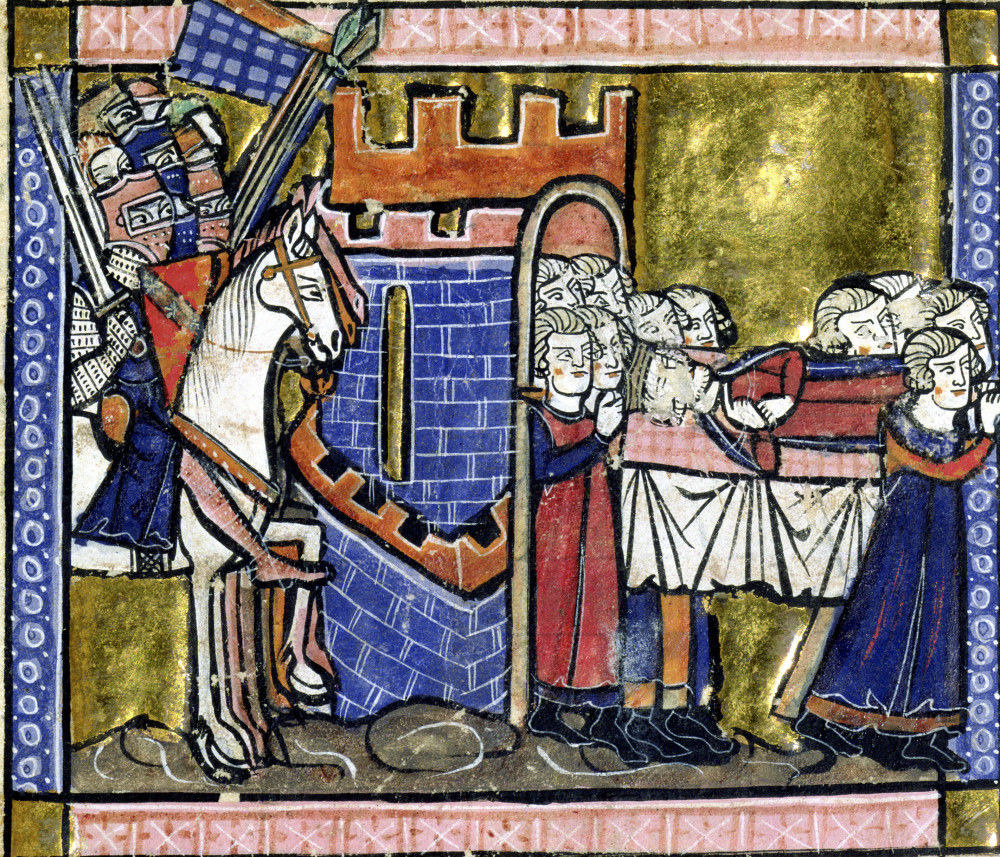
Calendar and definition
As with other years of this era, 1131 is reckoned in the Anno Domini system and would have been dated using the Julian calendar across Christian Europe. Describing it as a "common year" indicates it did not include an extra (leap) day in that calendar.
Political and military context
1131 fell in a phase when medieval kingdoms were expanding administrative control and codifying succession. In southern Italy and Sicily Norman rule under Roger II was being consolidated after his coronation as king a year earlier; in the Iberian Peninsula Christian kingdoms continued campaigns against Muslim polities as part of the long Reconquista. In the eastern Mediterranean the Crusader states were maturing institutions that experienced periodic leadership changes and diplomatic tensions with neighboring Muslim states.
Cultural and economic trends
The early 12th century saw growing urbanization in Western Europe, increased long-distance trade in the Mediterranean, and lively intellectual life: cathedral schools and monastic scriptoria transmitted classical and theological texts, while Romanesque architecture dominated church building. In East Asia the Southern Song dynasty (established after the loss of the northern capitals) focused on economic recovery, commerce and cultural production.
Significance and historical perspective
Individually the year 1131 does not mark a single turning point, but it belongs to a decade of steady institutional change—kingship, feudal relations, church reform and cross-cultural contacts shaped later medieval developments. For historians the year is a convenient chronological marker within broader trends of the 12th century rather than a focal point for one dramatic event.
Examples of event types recorded in this period
- Dynastic transitions and coronations that affected regional alliances and succession.
- Military campaigns on frontier zones such as Iberia and the eastern Mediterranean.
- Ecclesiastical reform, foundation or rebuilding of abbeys and churches in Romanesque style.
- Commercial expansion in port cities and cultural exchange along overland and maritime routes.
When researching any single year like 1131, it is useful to place specific local events within these wider political, economic and cultural currents to understand their longer-term impact.
Related articles
Author
AlegsaOnline.com 1131 (AD) — a year in the High Middle Ages Leandro Alegsa
URL: https://en.alegsaonline.com/art/111047