
1065
Year 1065 (Julian): a common year notable for the consecration of Westminster Abbey and the Northumbrian uprising that ousted Earl Tostig, events that prefaced the Norman Conquest.
1065 was a common year of the Julian calendar, described in some sources as a year beginning on Saturday. It sits immediately before the pivotal year 1066 and is often examined for events that prepared the political landscape of late Anglo‑Saxon England and neighboring regions. For a basic chronology and calendar view see the calendar for 1065.
Image gallery
1 Image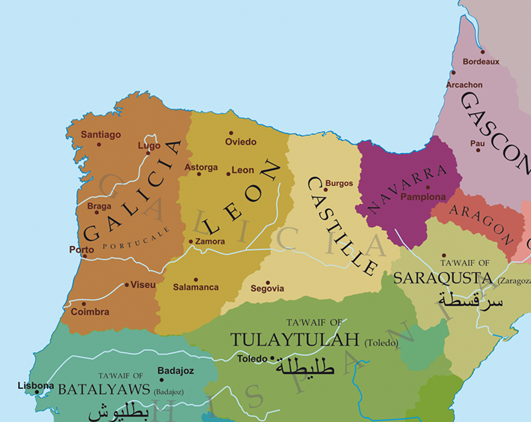
Chronology and calendar
The year is conventionally written as 1065 in the Anno Domini system. Contemporary dating used the Julian calendar; modern references sometimes link that system under discussions of medieval timekeeping and liturgical years—see Julian calendar. For digital or tabular overviews of the year number itself, consult general year summaries such as 1065.
Major events in England
Two events in England are most frequently highlighted by historians studying 1065. On 28 December 1065, the church known today as Westminster Abbey (the original church of St. Peter) was consecrated by King Edward the Confessor; this foundation soon became a major royal and religious centre.
- In the autumn of 1065 a widespread uprising in Northumbria forced the exile of Earl Tostig Godwinson, the region's Norman‑facing earl. Local nobles and ordinary inhabitants rebelled against his rule, and the revolt led to his removal and the installation of a new northern leader.
- These disturbances weakened royal authority in parts of England and contributed to the unstable political atmosphere that culminated in the Norman Conquest of 1066.
Wider European and Near Eastern context
Across Europe and the Near East, the mid‑11th century was a period of shifting power: Byzantine emperors managed complex relations with rising Turkic dynasties; Western Europe continued to consolidate territories under regional lords and developing states; and the papacy remained engaged in reform movements. While 1065 is less famous for single continental turning points, it fits within these broader trends of territorial contest, ecclesiastical reform, and military pressure on old frontiers.
Scholars use the year as a waypoint between better‑documented episodes: it immediately precedes the events of 1066 in England and falls within decades of Seljuk expansion in the Near East and reform efforts in the Latin Church. For further chronological or thematic reading, consult linked year summaries and calendar resources above.
Related articles
Author
AlegsaOnline.com 1065 Leandro Alegsa
URL: https://en.alegsaonline.com/art/110971