
1068 — the year and the number
Overview of the year 1068 (AD) and the integer 1068: historical context, major themes in Europe and beyond, cultural developments, notable people, and basic numerical properties.
Overview
1068 is identified both as a calendar year in the 11th century Common Era and as a composite integer. As a year it sits two years after the Norman conquest of England (1066) and during a period of political consolidation, castle-building and regional unrest across Western Europe. As a number, 1068 is an even positive integer with simple arithmetic factors and uses in enumeration.
Image gallery
1 Image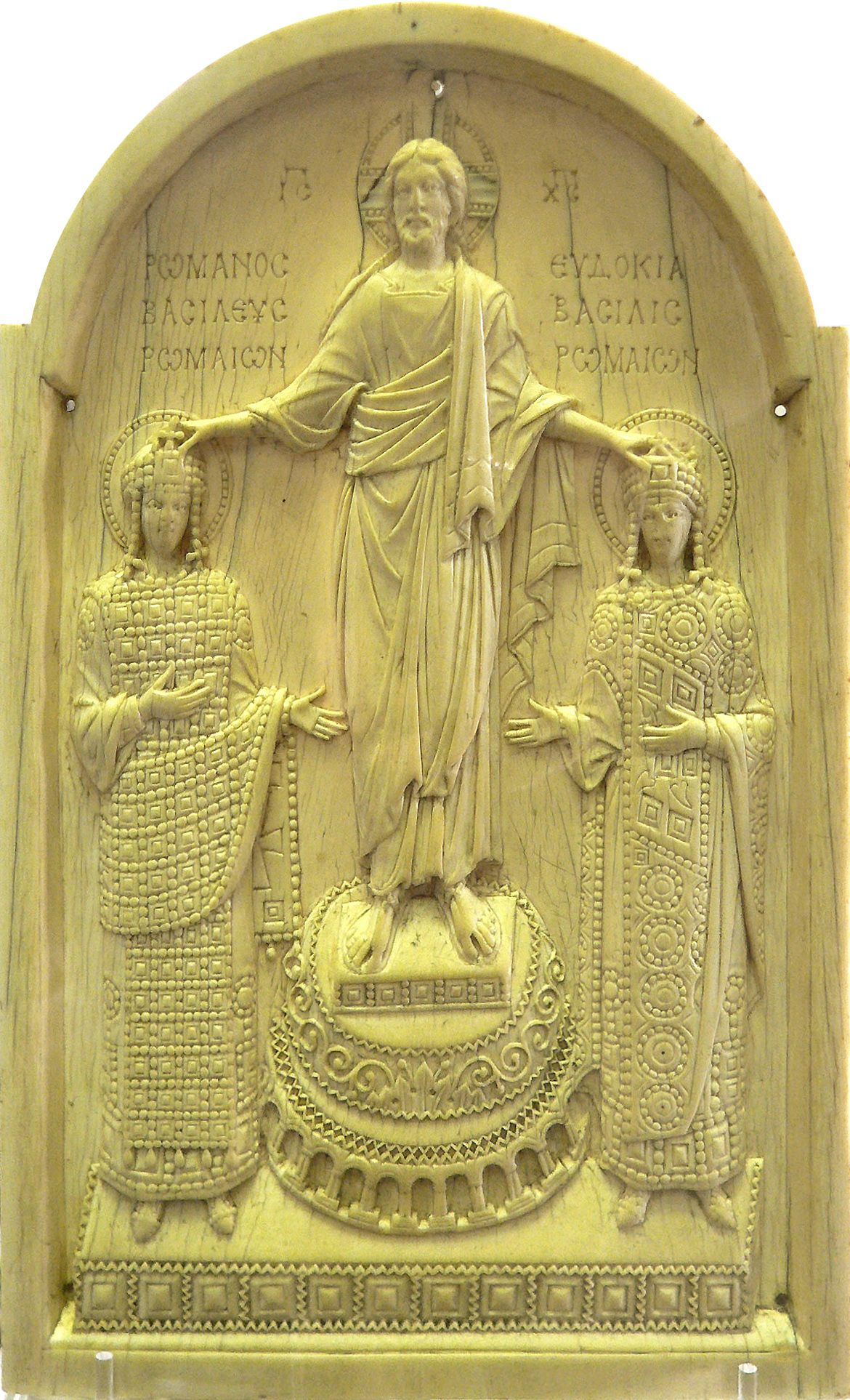
Historical context and major themes
The late 1060s were a time of transition in much of Europe. Following the invasions and battles of the mid‑1060s, rulers worked to secure authority, administer newly acquired territories and suppress localized resistance. Feudal institutions and military architecture—especially motte‑and‑bailey castles—expanded as instruments of control. Monastic reform, the growth of Romanesque art and architecture, and the strengthening of royal and episcopal administration were important parallel developments.
Regional notes
- England and the Normans: After the conquest of 1066, Norman rule was being extended and consolidated. The year 1068 falls within the period when William I and his followers established new centers of power, recruited officials, and confronted pockets of Anglo‑Saxon resistance.
- Continental Europe: Principalities and kingdoms continued to negotiate power between secular lords and the Church; dynastic politics and local rebellions shaped much of everyday governance.
- Byzantine and Islamic worlds: Empires in the eastern Mediterranean and the Middle East maintained complex interactions of diplomacy, trade and warfare. The Seljuk Turks and established dynasties were active across Anatolia and Persia, while various caliphates and emirates oversaw cultural and intellectual life.
- East Asia: The Song dynasty in China continued its administrative, economic and cultural development, with advances in technology, scholarship and urban life marking the period.
Notable figures and life events
- Approximate birth: Henry I of England is commonly dated to about 1068; he later became a significant ruler in the early 12th century.
- Many regional leaders, bishops and nobles of the era played roles in the decades of reform and conflict that followed the mid‑11th century upheavals.
1068 as a number
In arithmetic, 1068 is an even composite integer. Its prime factorization can be written as 2^2 × 3 × 89, so it is divisible by 1, 2, 3, 4, 6, 12, 89, 178, 267, 356, 534 and 1068. Like other integers of its size, it appears in counting, dating and technical enumerations but has no widely recognized cultural symbolism.
Significance and legacy
Although 1068 is not marked by a single defining global event, the year sits within a formative decade. The processes active at that time—territorial consolidation, institutional reform, population movement and architectural development—helped shape medieval political and social structures that influenced subsequent centuries.
Related articles
Author
AlegsaOnline.com 1068 — the year and the number Leandro Alegsa
URL: https://en.alegsaonline.com/art/110974