
1075 (common year in the 11th century)
Year 1075 (MLXXV) was a common year of the Julian calendar marked by papal reform under Gregory VII, the Revolt of the Earls in England, and ongoing political and administrative change across Eurasia.
Overview
The year MLXXV corresponds to a common year that began on Thursday in the Julian calendar; a contemporary way to describe it is a year of the 11th century in medieval Christendom and beyond. For a chronological layout see the full calendar reference. The civil and ecclesiastical worlds of Europe, as well as states in East Asia and the Islamic world, experienced reform, rebellion and administrative shifts during this period.
Image gallery
1 Image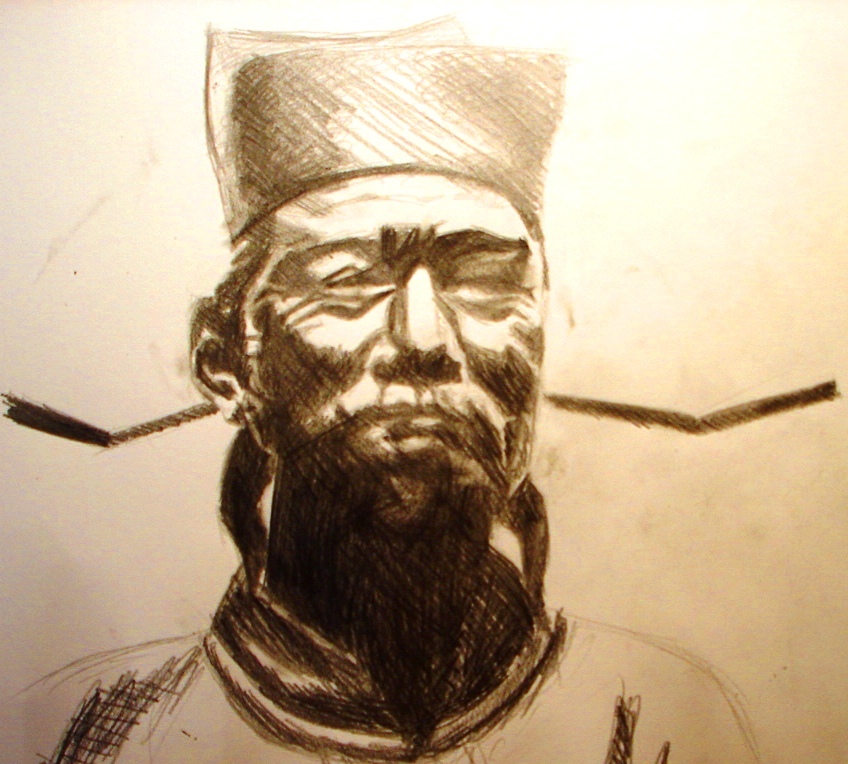
Notable events
- Papal reform: Pope Gregory VII continued an assertive program of church reform. These actions emphasized papal authority over appointments and the independence of the clergy from lay control, setting the scene for the wider conflict known as the Investiture Controversy.
- England: Noble unrest culminated in the Revolt of the Earls, an aristocratic challenge to Norman rule that illustrated the difficulties William the Conqueror faced in consolidating control after 1066.
- China: In the Northern Song dynasty, administrative and fiscal reforms initiated earlier in the decade remained a subject of intense debate at court, affecting governance and military funding.
- Regional dynamics: Across Iberia, the Byzantine sphere and the Muslim principalities, shifting alliances and frontier warfare continued to reshape local power balances.
Historical context and significance
The events of 1075 are characteristic of the 11th century: tighter centralization efforts by monarchs and popes, resistance from established elites, and competing models for governance. The papal reforms of this time articulated principles about clerical independence that had long-term consequences for church–state relations in Europe. In England, the revolt of leading nobles revealed the fragility of recent conquests and the ongoing process of feudal consolidation.
Meanwhile, developments in East Asia, notably reformist policies in Song China, reflected parallel concerns about state capacity, taxation and military preparedness. Collectively, these threads show a world in transition, where institutions and rulers negotiated authority in ways that shaped medieval political and religious order.
For calendrical detail, the year is recorded in the Julian system and is indexed in medieval chronologies; modern readers consult collections of annals and chronicle translations for primary accounts. The year remains a useful point of reference for the wider currents of 11th-century history.
See also: broader discussions of 11th-century papal reform, Norman England after 1066, and Song-era administrative change.
Related articles
Author
AlegsaOnline.com 1075 (common year in the 11th century) Leandro Alegsa
URL: https://en.alegsaonline.com/art/110981