
Ø (o with stroke) — Scandinavian letter
Ø (ø) is a distinct vowel letter used in Danish, Norwegian and Faroese alphabets. It represents front rounded vowels, has specific typographic forms, and is commonly transliterated as "oe".
The letter Ø (uppercase) and ø (lowercase), often called "o with stroke" or "o-slash", is a discrete letter in several North Germanic alphabets. It denotes one or more front rounded vowel sounds and is treated as a separate alphabetic character rather than a diacritic variant of "o".
Image gallery
3 Images

Appearance and pronunciation
Visually, Ø is an O with a diagonal or vertical stroke. Phonetically it commonly represents close‑ or open‑mid front rounded vowels (values similar to the IPA symbols /ø/ and /œ/). Exact quality varies between dialects and languages; for example, Danish and Norwegian realizations differ slightly, and Faroese orthography maps the letter to sounds that reflect its own historical development.
History and alphabetic role
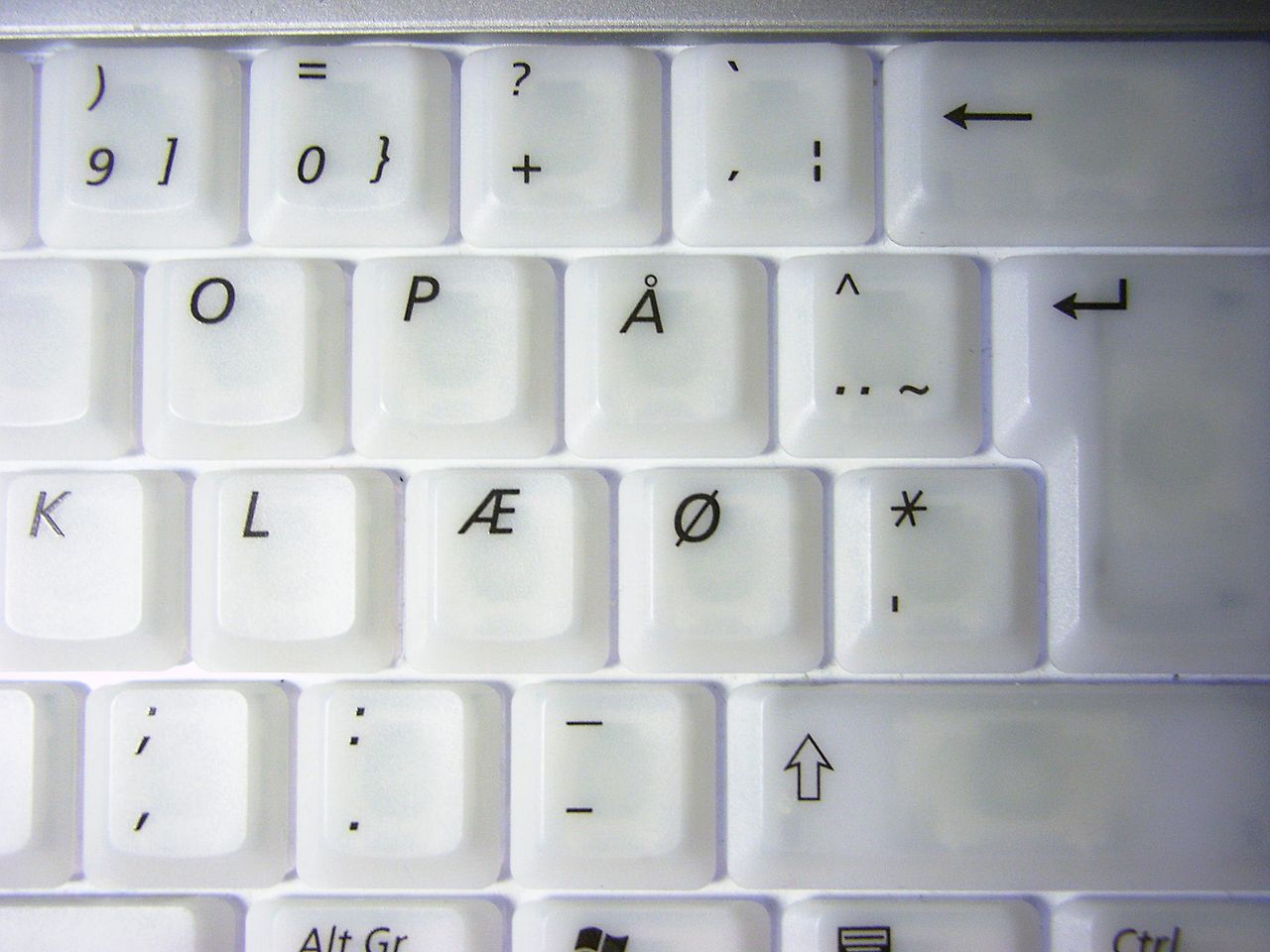
The symbol developed from medieval scribal practices that marked vowel distinctions by inserting strokes. In modern usage it is a full letter and appears near the end of Scandinavian alphabets. In Danish and Norwegian alphabets it follows Æ and precedes Å.
Use in specific languages
- Danish: standard letter in vocabulary and names.
- Norwegian: used in both Bokmål and Nynorsk orthographies.
- Faroese: appears in the written language with its own phonetic correspondences.
Common word examples include cognates like smør (butter) in Scandinavian languages. Where the letter is unavailable, it is often transliterated as "oe", though this is a practical workaround rather than a true equivalent.
Computing and typography
In Unicode the characters are U+00D8 (Ø) and U+00F8 (ø); HTML named entities are Ø and ø. On national keyboard layouts the letter has a dedicated key; on other systems it may be entered via compose sequences, special key combinations, or by using the oe digraph.
Similar-looking characters include the Latin letters with diacritics such as ö and the ligature œ, but these are distinct in origin, pronunciation, and alphabetical status.
Related articles
Author
AlegsaOnline.com Ø (o with stroke) — Scandinavian letter Leandro Alegsa
URL: https://en.alegsaonline.com/art/110869