
Zonnebeke: Belgian municipality, First World War landscape and memorial sites
Zonnebeke is a Dutch-speaking municipality in West Flanders, Belgium, known for its First World War battlefields (Passchendaele), cemeteries and memorials. Population recorded about 11,908 in 2007.
Overview

Image gallery
8 Images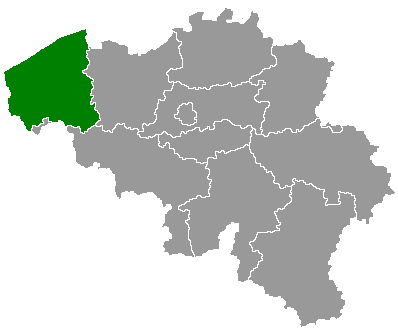


Geography and parts
The municipality combines farmland, small village centres and preserved open ground that was shaped by conflict and restoration. Settlements commonly associated with Zonnebeke include Passendale (often spelled Passchendaele), Zandvoorde and Zonnebeke proper. The land is generally low and agricultural, with fields, lanes and remnant battlefield earthworks that have influenced local land use and heritage protection.
History and First World War significance

Memorials, cemeteries and museums
The municipality contains several important remembrance sites visited by descendants, historians and tourists. Notable places include Tyne Cot Cemetery (a major Commonwealth war graves site), smaller burial plots and local monuments dedicated to soldiers from many countries. The Passchendaele Memorial and the regional museum interpret battlefield history, display artifacts and explain the social impact of the fighting.
Economy, tourism and cultural importance
Today Zonnebeke’s economy blends agriculture with cultural and memorial tourism. Visitors come for guided battlefield tours, cemetery pilgrimages and museum visits; these activities support local services, hospitality and conservation work. The municipality balances farming, village life and the preservation of sites important to international remembrance.
Visiting and further information
- How to visit: local museums and guided walks provide context and safely managed access to sensitive sites.
- Study and research: scholars and volunteers contribute to archaeology, preservation and archival projects.
- Practical details and events: see municipal notices and provincial tourism pages for up-to-date guidance (local, regional and national sources).
Because of its wartime history and continuing commemorative role, Zonnebeke remains a place where landscape, memory and community intersect.
Related articles
Author
AlegsaOnline.com Zonnebeke: Belgian municipality, First World War landscape and memorial sites Leandro Alegsa
URL: https://en.alegsaonline.com/art/110706
Sources
- statbel.fgov.be : Werkelijke bevolking per gemeente op 1 januari 2007 / Population de droit par commune au 1 janvier 2007 (.xls)
- statbel.fgov.be : Geografische coördinaten van de gemeenten (.xls)