
Zoutleeuw: historic market town in Flemish Brabant, Belgium
Zoutleeuw is a small Belgian municipality in Flemish Brabant noted for its medieval center, belfry and church. It lies at 50°50′N, 5°06′E and had about 8,000 inhabitants in 2007.
Overview

Image gallery
4 Images

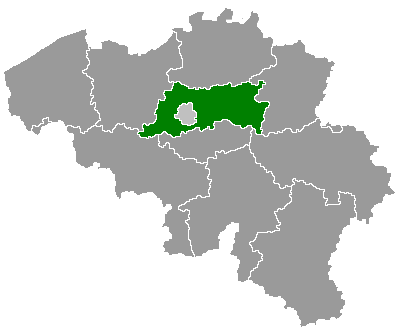
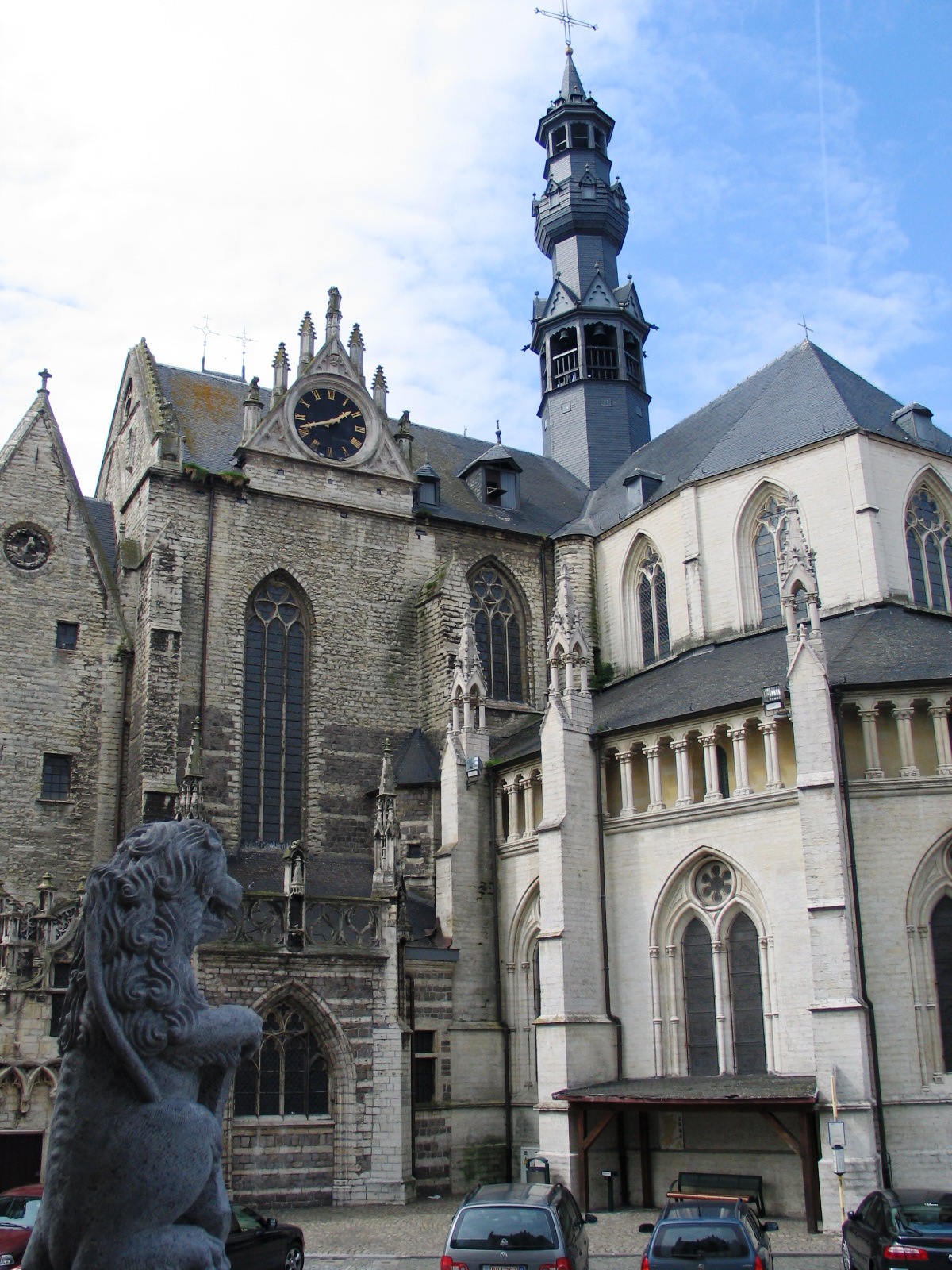
Character and landmarks
Zoutleeuw is best known for a well-preserved medieval centre. A dominant feature is its historic church and the adjacent belfry, which reflect Romanesque and Gothic building phases and local craftsmanship. Narrow streets, an old market square and several listed civic buildings contribute to the town's architectural character.
History and development
The settlement developed in the Middle Ages as a market town and fortified place on regional trade routes. Over centuries it grew around ecclesiastical institutions and local markets, with medieval stonework and later repairs visible in many structures. Industrialization affected the wider region but Zoutleeuw retained much of its rural and heritage identity.
Features and local life
- Historic sites: medieval church and town belfry, surviving sections of old walls and houses.
- Economy: a mix of agriculture, small businesses and tourism focused on cultural heritage.
- Community: local festivals, markets and conservation efforts that highlight regional traditions.
Visiting and significance

Notable facts
Among notable points, Zoutleeuw's medieval belfry is part of the network of historic belfries that are valued for their civic and cultural role in the Low Countries. The town's compact plan and surviving monuments make it a concise example of regional urban history in Flemish Brabant and Belgium.
Related articles
Author
AlegsaOnline.com Zoutleeuw: historic market town in Flemish Brabant, Belgium Leandro Alegsa
URL: https://en.alegsaonline.com/art/110741
Sources
- statbel.fgov.be : Werkelijke bevolking per gemeente op 1 januari 2007 / Population de droit par commune au 1 janvier 2007 (.xls)
- statbel.fgov.be : Geografische coördinaten van de gemeenten (.xls)