
Zittau — historic town in Saxony at the Germany–Poland–Czech border
Zittau is a town in southeastern Saxony, Germany, known for its historic centre, cross-border location near Poland and the Czech Republic, cultural heritage and nearby Zittau Mountains.
Overview
Zittau (Czech: Žitava, Polish: Żytawa, Upper Lusatian dialect: Sitte) is a small city in the southeast of the Free State of Saxony in Germany. It lies very close to the border triangle where Germany meets Poland and the Czech Republic and is administered within the Görlitz rural district (Görlitz district). Its location has shaped a multilingual, cross-border character and a long history of trade and regional links.
Image gallery
10 Images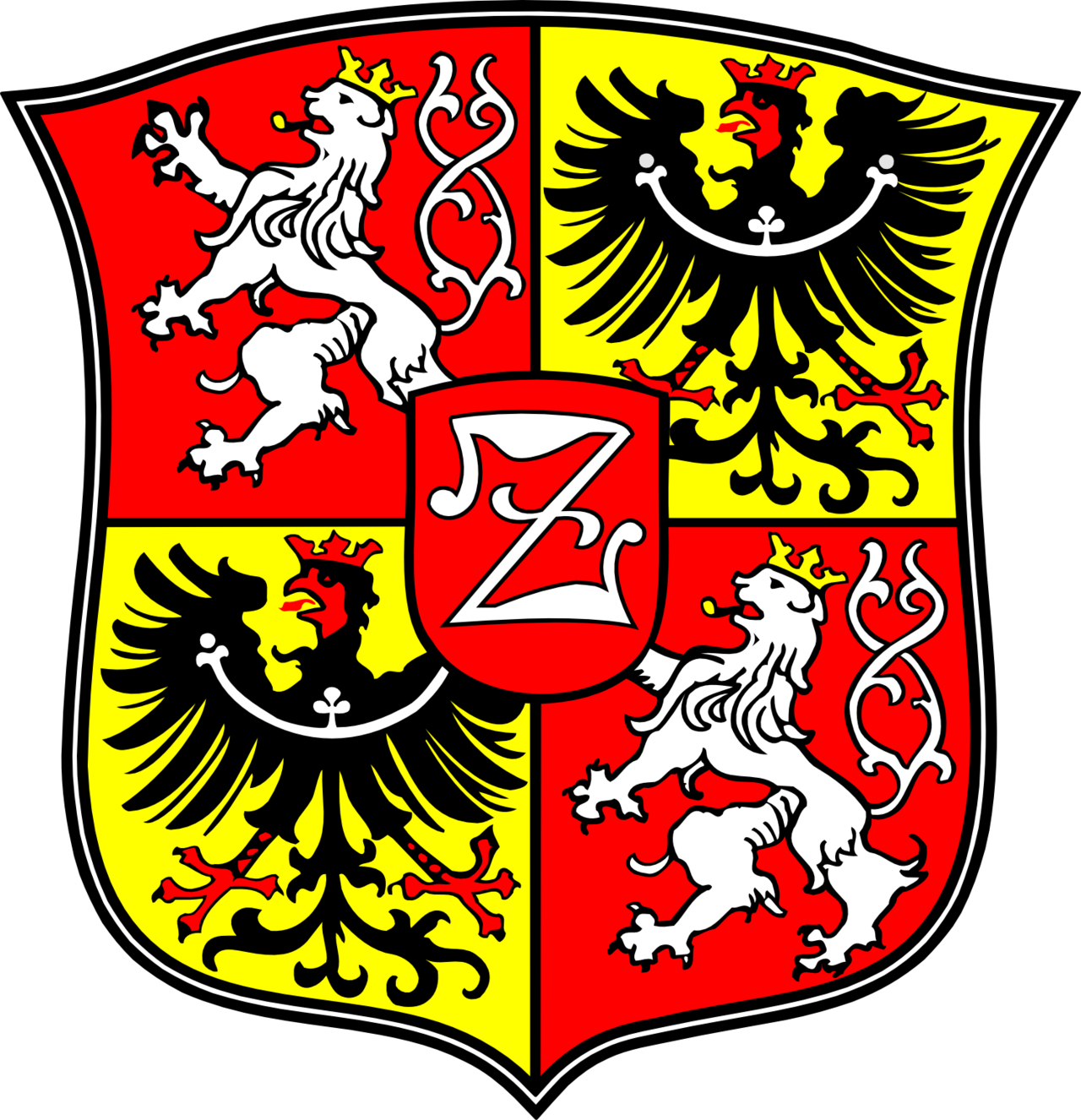


History and development
Zittau grew up in the medieval period as a regional market and craft centre in Upper Lusatia. Over centuries it was influenced by neighbouring Bohemian and Saxon rulers and by shifting political borders. Like many towns in the region, Zittau prospered through trade and cloth-making, leaving a compact historic core of civic buildings and churches. Industrial change in the 19th and 20th centuries brought textiles and manufacturing; the town later adjusted its economy after the transformations following German reunification.
Sights, culture and institutions
The town is noted for a well-preserved historic centre with distinctive townhouses, a prominent town hall and several churches. One of Zittau's best-known cultural treasures is the medieval Lenten veil (Fastentuch), a large painted cloth with biblical imagery that attracts specialist interest and visitors. Higher education is represented by a regional campus of applied sciences and cultural life includes museums, local festivals and traditions drawn from Upper Lusatia.
Natural setting and transport
Zittau sits at the edge of the Zittau Mountains (part of the Lusatian range), which provide hiking, cycling and winter recreation opportunities. A narrow-gauge heritage railway operates in the area, serving both tourists and local excursions and preserving historical rolling stock. Good regional road and rail links connect the town with larger Saxon centres and with neighbouring countries such as Poland and the Czech Republic, supporting cross-border commuting and tourism.
Importance and contemporary role
Today Zittau functions as a local administrative and cultural hub. Its cross-border position encourages collaboration with nearby Polish and Czech towns on economic, educational and environmental initiatives. Tourism focused on historic architecture, the Lenten veil, the mountain landscape and the heritage railway contributes to the local economy, while small enterprises and service sectors make up the everyday life of the town.
Notable features at a glance
- Historic town centre with guild houses and churches
- Famous Lenten veil (Fastentuch) in a local museum
- Access to the Zittau Mountains for outdoor activities
- Heritage narrow-gauge railway and local transport links
- Cross-border cultural and economic cooperation with neighbours
Related articles
Author
AlegsaOnline.com Zittau — historic town in Saxony at the Germany–Poland–Czech border Leandro Alegsa
URL: https://en.alegsaonline.com/art/110657
Sources
- destatis.de : "Alle politisch selbständigen Gemeinden mit ausgewählten Merkmalen am 31.12.2018 (4. Quartal)" · web.archive.org
- statistik.sachsen.de : "Aktuelle Einwohnerzahlen nach Gemeinden 2016] (Einwohnerzahlen auf Grundlage des Zensus 2011)"
- commons.wikimedia.org : Zittau