
Zimmerwald: Swiss village, historic socialist conference site and observatory
Zimmerwald is a village in the canton of Bern, Switzerland, known for the 1915 Zimmerwald Conference and for hosting an observatory. It merged administratively into the municipality of Wald in 2004.
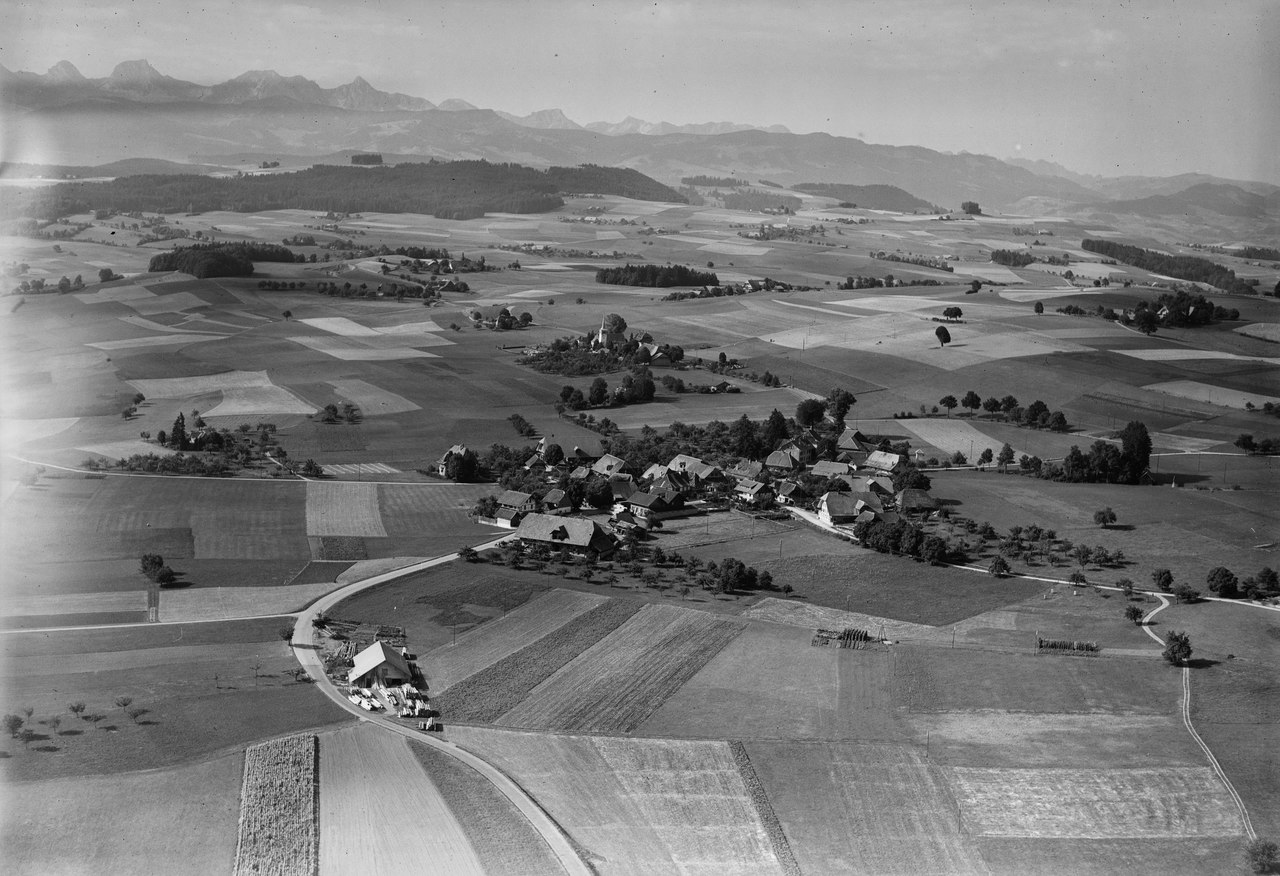
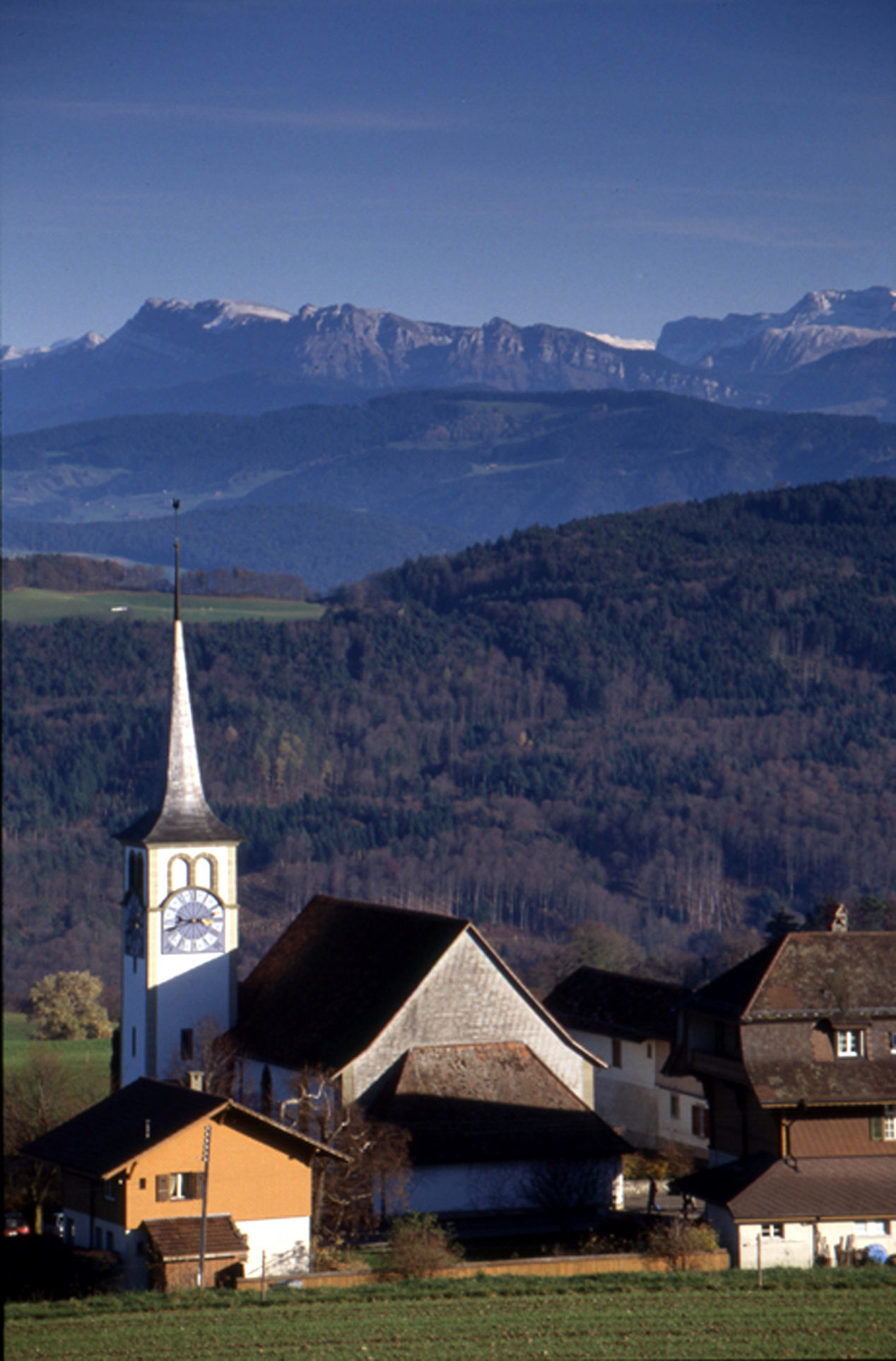
Zimmerwald is a village in the Swiss canton of Bern, historically a small rural community set on a forested plateau south of the city of Bern. It was formerly a separate municipality within the Seftigen administrative area; on 1 January 2004 the local communes of Zimmerwald and Englisberg combined to form the new municipality of Wald. For official records and municipal history see the local registry municipal entry and the canton pages canton of Bern and Switzerland.
Image gallery
9 Images



Geography and local features
The village lies in a mixed landscape of woodland and pastures typical of the Bernese plateau. Its compact settlement pattern and surrounding forested slopes make it a quiet residential and agricultural community. Zimmerwald's modest elevation and clear skies have also made it attractive for astronomical observation and small-scale tourism.
History and the Zimmerwald Conference
Zimmerwald became internationally known during the First World War as the site of the 1915 Zimmerwald Conference, a gathering of socialists who opposed the war and sought international coordination of the anti-war movement. Delegates represented a range of positions, from moderate pacifists to revolutionary socialists; the meeting gave name to the broader "Zimmerwald Movement," which influenced later socialist and communist debates across Europe. Several well-known socialist figures attended or engaged with the conference debates.
Science and institutions
Today the village is noted for its astronomical observatory, operated by a university research institute and used for teaching and monitoring near-Earth objects. The observatory is a local scientific landmark and contributes to Switzerland's network of observational facilities.
Administrative change and contemporary life
Administratively, Zimmerwald ceased to exist as an independent municipality when it merged with Englisberg to form Wald on 1 January 2004; historical references and older maps still identify the locality by its traditional name. Local information, community events and services are now managed through municipal channels such as the former Englisberg site Englisberg and regional portals local records.
Notable distinctions
- Historic: site of the 1915 Zimmerwald Conference and the broader Zimmerwald Movement.
- Scientific: location of a university-affiliated observatory and part of regional astronomical monitoring.
- Civic: merged into the municipality of Wald in 2004 as part of local administrative reorganization.
Zimmerwald combines rural Swiss village life with an unusual combination of historical and scientific significance, making it a point of interest for historians, astronomers and visitors exploring the Bernese countryside.
Related articles
Author
AlegsaOnline.com Zimmerwald: Swiss village, historic socialist conference site and observatory Leandro Alegsa
URL: https://en.alegsaonline.com/art/110616