
Zest (ingredient) — citrus peel used for flavor and aroma
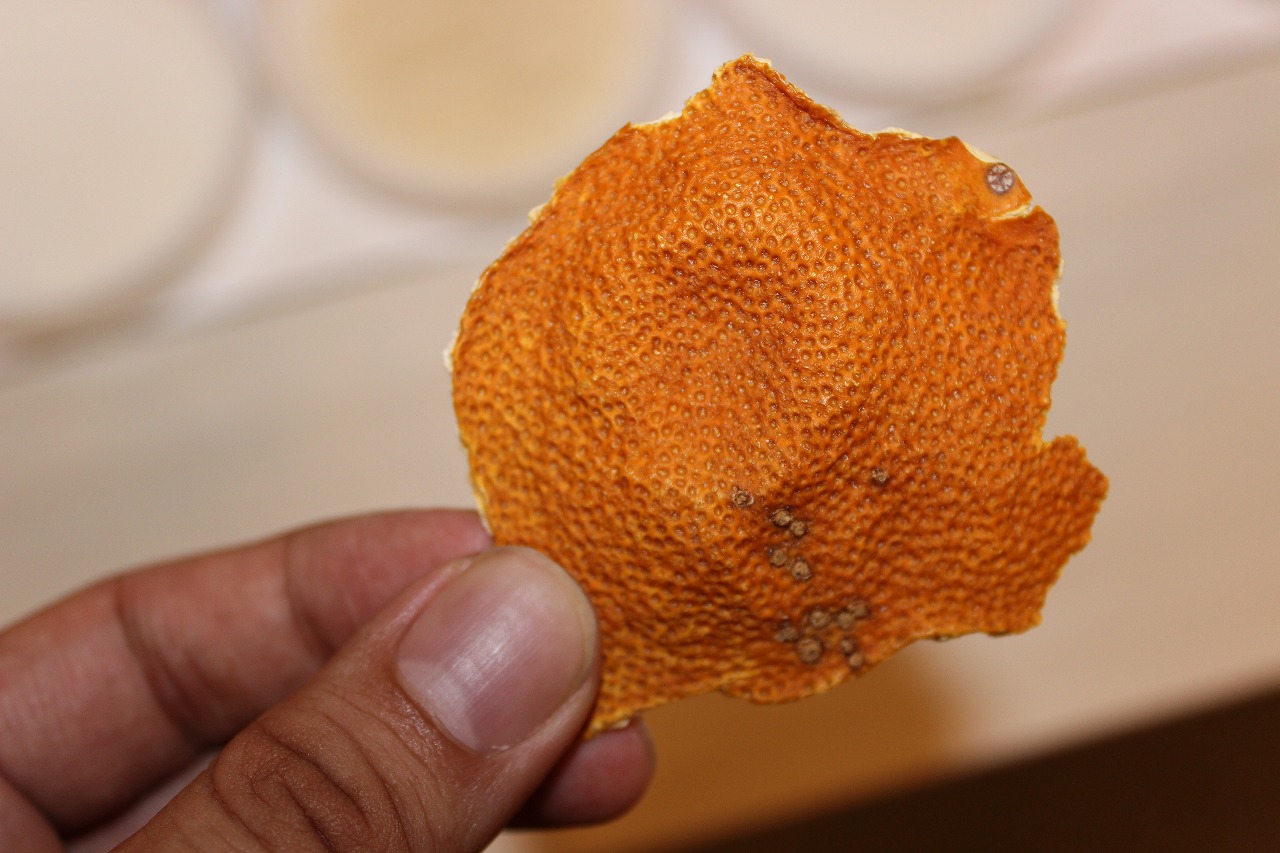
Zest is the thin colored outer skin of citrus fruits, prized for concentrated aromatic oils. Used fresh, dried, or candied, it flavors baked goods, savory dishes, drinks and garnishes.
Zest is the thin, colored outer layer of the peel from a citrus fruit. It contains concentrated essential oils that provide bright aroma and intense flavor without adding acidity. Cooks and bakers grate, peel or shave this outer skin to introduce citrus character to dishes while leaving most of the white pith behind, which can be bitter. For a basic reference, see citrus fruit.
The aromatic quality of zest comes from volatile oils such as limonene and other terpenes; these compounds evaporate and release scent rather than contributing sweetness or sourness. Because the flavor is largely aromatic, a small amount of zest can be more potent than the juice when enhancing smell and perceived freshness.
Image gallery
6 Images



Preparation and tools
- Microplane or fine grater: produces very fine shavings suitable for batters and desserts.
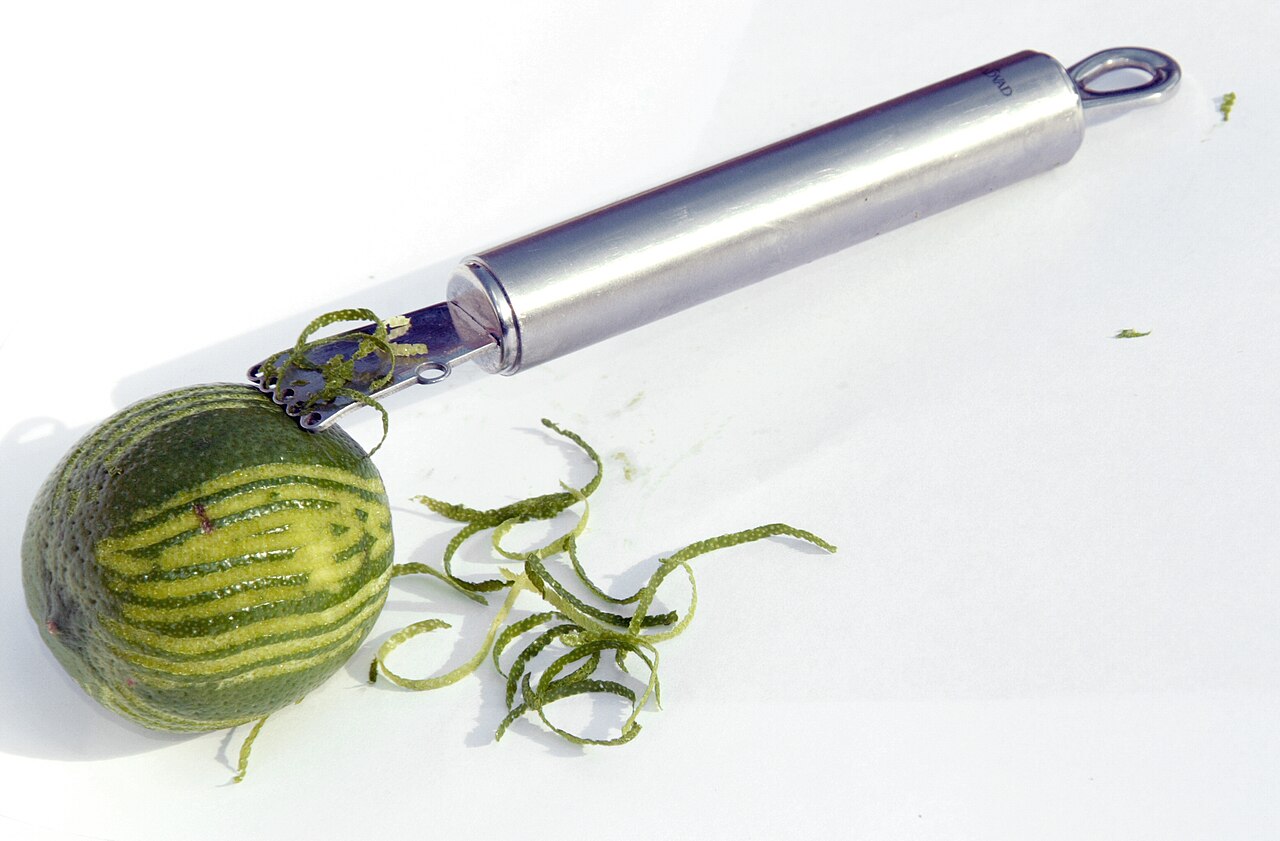
- Zester (channel knife): yields thin strips or ribbons used for garnishes or infusing.
- Vegetable peeler or paring knife: removes larger pieces of colored peel for candying or steeping; trim away pith.
- Citrus oil or extracts: concentrated alternatives when fresh zest is unavailable.
When zesting, work gently to avoid the bitter white pith underneath. Wash fruit thoroughly to remove residues and, if possible, choose unwaxed or organically grown citrus. Zest can be used fresh, frozen in small portions, dried for long-term storage, or candied for confections.
Common culinary uses include incorporating lemon or orange zest into cakes, cookies and custards; adding lime zest to marinades, salsas and seafood preparations; and garnishing cocktails with thin strips of peel. Zest is also used to perfume oils, syrups and savory sauces, where its aroma helps lift other flavors.
Distinctions to note: "zest" refers specifically to the colored outer rind; "pith" is the white layer beneath and is typically avoided; "peel" or "rind" can mean the whole outer covering. Historically, citrus zest has been valued in many cuisines for its aroma and for preserving citrus flavor in baked and preserved goods. Its potency means a little often goes a long way.
Related articles
Author
AlegsaOnline.com Zest (ingredient) — citrus peel used for flavor and aroma Leandro Alegsa
URL: https://en.alegsaonline.com/art/110527