
Auguste Escoffier: Architect of Modern French Cuisine
Georges Auguste Escoffier (1846–1935) modernized French haute cuisine, created the kitchen brigade, codified classical recipes and service, and influenced restaurants worldwide.
Georges Auguste Escoffier (28 October 1846 – 12 February 1935) was a French culinary figure whose reforms and publications transformed professional cooking at the turn of the 20th century. Trained in provincial kitchens, he rose to manage the culinary operations of grand hotels and to systematize practices that would become the foundation of modern professional kitchens. Escoffier made the role of the chef more standardized and frequently elevated the social standing of cooks and kitchen staff.
Image gallery
6 Images



Contributions and innovations
Escoffier is best known for simplifying elaborate French haute cuisine into a clearer, more practical form without losing its refinement. He introduced or popularized several workplace and service changes that improved efficiency and consistency across large kitchens and banquet services. These innovations are still taught in culinary schools and used in restaurants worldwide:
- Brigade system: a hierarchical organization of the kitchen into stations (chefs de partie) responsible for specific components.
- Service à la russe: sequential plating and service of individual courses rather than presenting all dishes at once.
- Standardization: codification of recipes, terminology and menu structure for reproducibility.
Writings and signature dishes
Escoffier recorded his methods and recipes in influential reference works, most notably Le Guide Culinaire, which compiled thousands of recipes and became a textbook for professional cooks. Later books and compendia distilled techniques for everyday practice. A number of classic dishes and names are associated with him—some created for famous patrons or inspired by entertainers of the day—and his name is closely tied to the canon of classical French preparations.
Career and collaborations
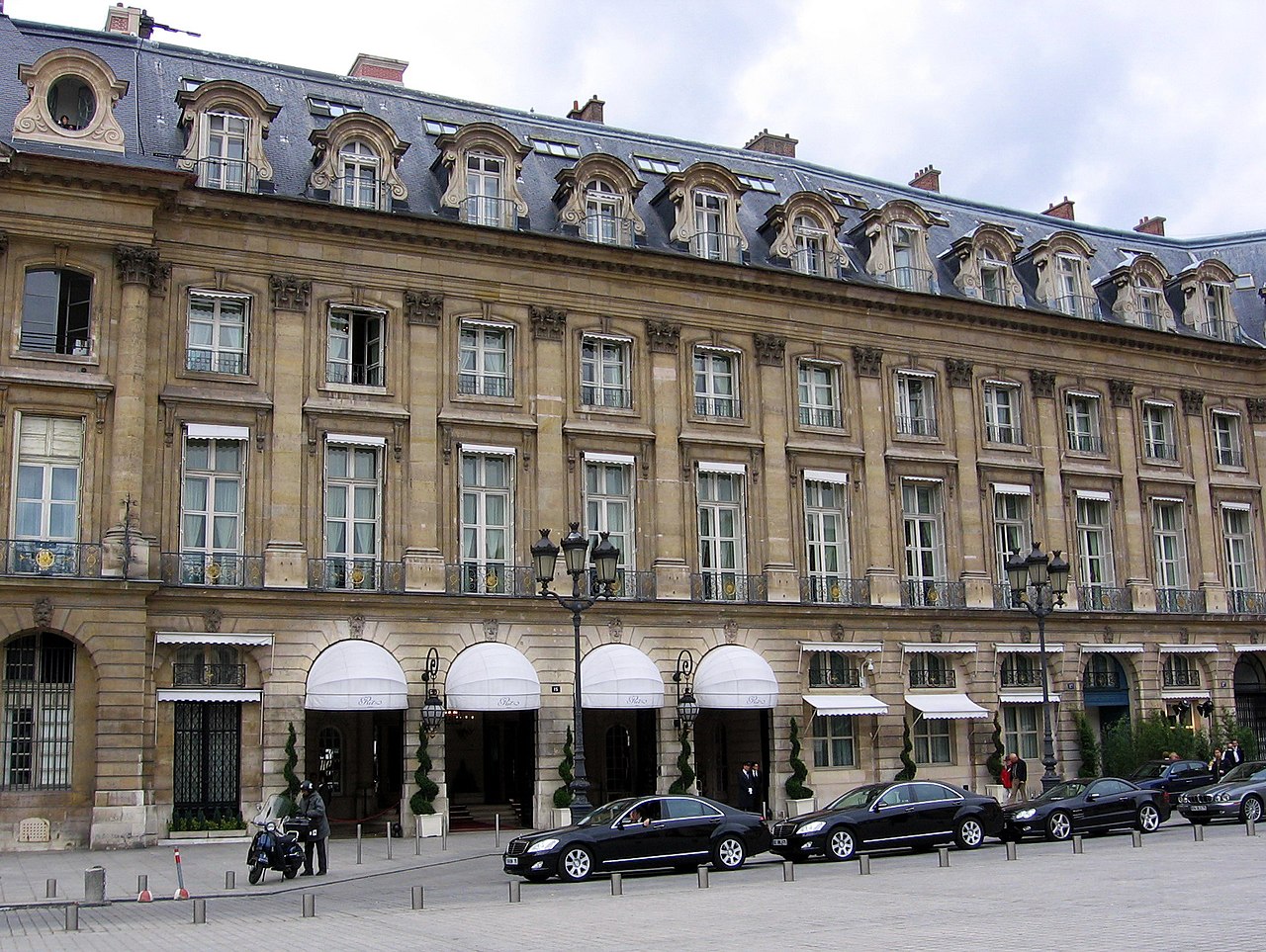
Much of Escoffier's reputation rests on his management of prestigious hotel kitchens, where the scale of service demanded reliable systems. He worked with prominent hotelier César Ritz and led culinary teams at landmark establishments, bringing restaurant-level standards to large hotel dining rooms. Through training and patronage he influenced generations of chefs and shaped public expectations about fine dining and hospitality.
Legacy and importance
Escoffier's legacy is both practical and cultural: he elevated culinary work into an organized profession while preserving the principles of French haute cuisine. His approach balanced artistry with discipline, enabling haute cuisine to adapt to modern service contexts. Culinary schools, professional kitchens and many contemporary cookbooks still reflect methods he helped to standardize. For those studying the history of food and hospitality, Escoffier represents a pivotal figure in the transition from artisanal kitchen craft to organized, large-scale culinary practice.
For further reading on historical recipes, kitchen organization and the development of modern hospitality, explore resources on chefs and restaurant management that discuss Escoffier's influence in context.
Questions and answers
Q: Who was Georges Auguste Escoffier?
A: Georges Auguste Escoffier was a French chef, restaurateur and writer who updated traditional French cooking methods and made them more popular.
Q: What did he do to modernize French cuisine?
A: He simplified and modernised Antoine Carême's complicated recipes and style. He also organised his kitchens into sections run by chefs de partie.
Q: What type of service did Escoffier use?
A: Escoffier used service à la russe, which is serving each dish in the order printed on the menu instead of service à la française (serving all dishes at once).
Q: Who adopted 'Russian-style' service?
A: Gregor Von Görög, Chef to the Royal family at Buckingham Palace, was quick to assume this form of service, and soon all 'High Society' was adopting 'Russian-style' service.
Q: How did Escoffier make cooking a respected profession?
A: As well as recording and inventing recipes, Escoffier made cooking a respected profession by organizing his kitchens into sections run by chefs de partie.
Q: Who wrote about French Haute cuisine?
A: Antoine Carême wrote about French Haute cuisine.
Related articles
Author
AlegsaOnline.com Auguste Escoffier: Architect of Modern French Cuisine Leandro Alegsa
URL: https://en.alegsaonline.com/art/114710