
Betsy Ross: seamstress, Revolutionary-era figure, and American symbol
Betsy Ross (Elizabeth Griscom; 1752–1836) was a Philadelphia seamstress long associated with the creation of an early American flag. Her role is part documented and part family legend, and remains debated by historians.
Betsy Ross, born Elizabeth Griscom in Philadelphia, is one of the best-known domestic figures associated with the American Revolution. She lived from 1752 to 1836 and worked in the trades of sewing and upholstery at a time when such skills were essential to households and military supply. Her name has become linked with the popular account that she sewed the first official American flag, though the documentary evidence for that specific claim is inconclusive.
Image gallery
7 Images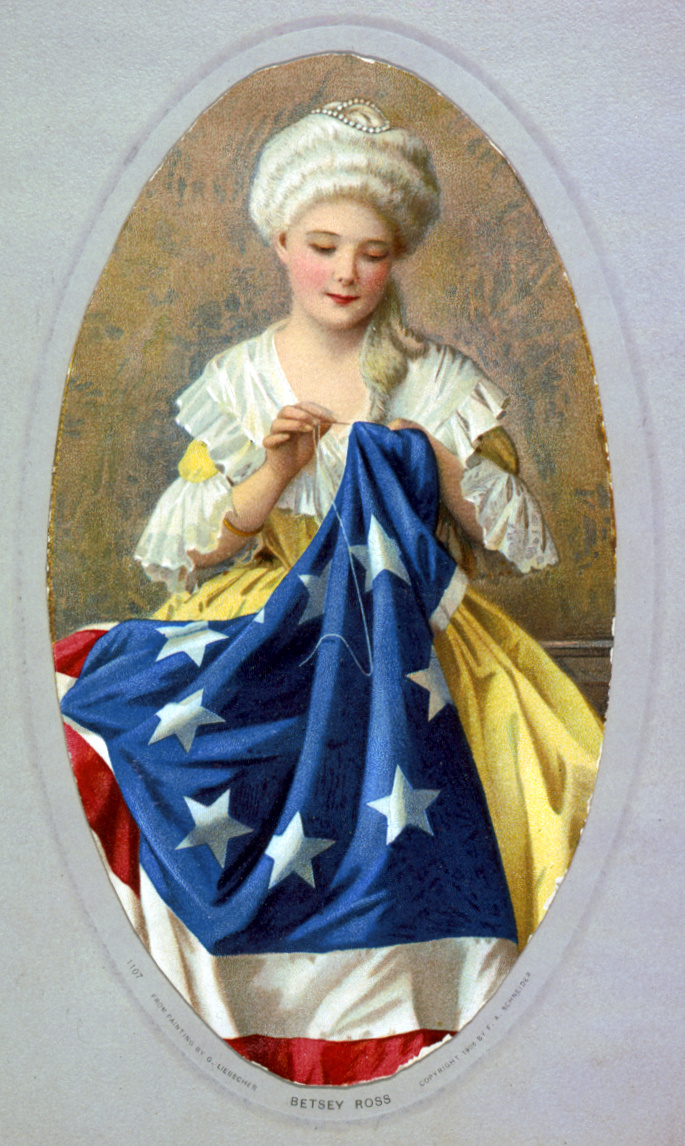




Life and occupation
Ross lived and worked in Philadelphia, where she trained and earned a living as a seamstress and upholsterer. Contemporary records show she ran a small workshop producing domestic textiles and making repairs—skills that naturally included flag-related work such as stitching bunting and sewing emblems on cloth. She was known in local civic and commercial circles and later generations preserved memories of her as a skilled needleworker.
The flag story and its sources
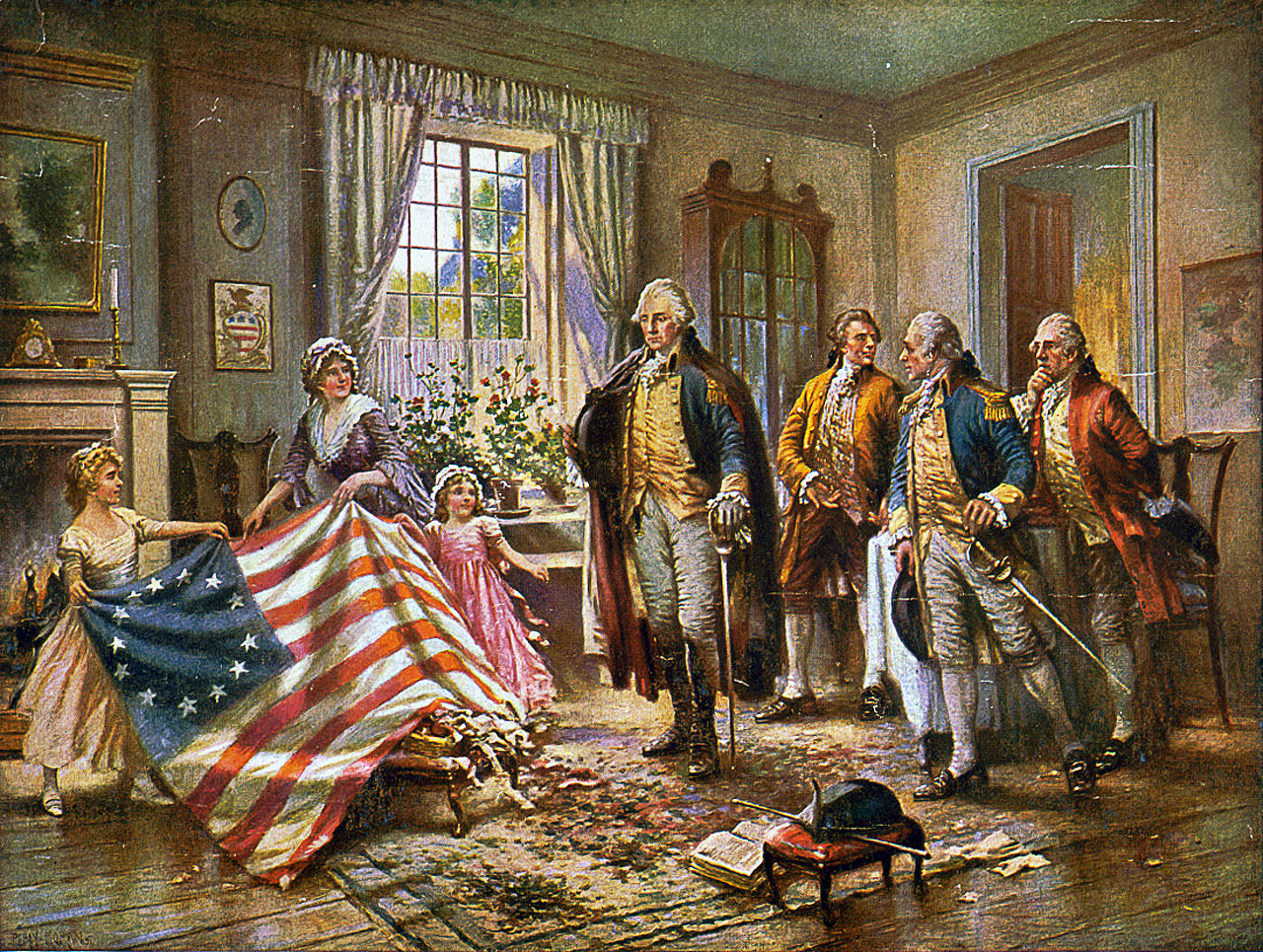
The widely told account that Ross designed or sewed the first Stars and Stripes derives mainly from family testimony published decades after the Revolution. Her grandson publicized a narrative in the 1870s describing a meeting in which local leaders asked her to produce a flag with a circle of stars. Historians note that no contemporary paperwork from the 1770s directly credits Ross with the design, and no signed original fabric linked to her has been authenticated.
Historical debate
Scholars who study Revolutionary material culture point to several possibilities: collective workshops and government contracts, competing claims from other individuals, and symbolic design developments in the Continental Congress. Some researchers cite figures such as Francis Hopkinson, who later claimed to have designed flag elements, while others argue that many people could have contributed to early flag-making. The combination of late family recollection and a lack of primary documentary proof means Ross’s specific role remains uncertain.
Legacy and cultural significance
Whether or not she made the very first Stars and Stripes, Ross became a powerful symbol of women’s labor and patriotism. Her story influenced 19th- and 20th-century art, school curricula, and public commemorations. A house in Philadelphia identified with her life was preserved as a museum, and her name appears in popular histories and exhibitions that discuss Revolutionary-era material culture.
- Symbolic importance: represents domestic contributions to the Revolution.
- Historiography: illustrates how family stories can shape national memory.
- Tourism and memory: her life and workshop are featured in local historical interpretation.
For more on Philadelphia’s Revolutionary history and flag lore see local repositories and specialist studies on early American flags. Additional context about flag design and related claims can be explored through archival and material-culture research resources (city records and museums, flag history collections).
Related articles
Author
AlegsaOnline.com Betsy Ross: seamstress, Revolutionary-era figure, and American symbol Leandro Alegsa
URL: https://en.alegsaonline.com/art/11040
Sources
- washingtonpost.com : Five myths about the American flag