
Zapolyarny — town in Pechengsky District, Murmansk Oblast
Zapolyarny is a mining town in Russia's Murmansk Oblast, founded in 1956. Located in the Pechengsky District near Murmansk, it developed around nickel deposits and sits close to the Koshka Yavr air base.

Overview
Zapolyarny (Russian: Заполя́рный) is a town in the Pechengsky District of northern Murmansk Oblast, Russia. It lies on the Kola Peninsula in the far northwest of the country and is about 103 kilometers (64 miles) from the regional administrative centre, Murmansk, which is sometimes referred to in sources as the district's nearest major city (administrative centre). According to the 2010 census the town had a population of 15,825 residents.
Image gallery
2 Images
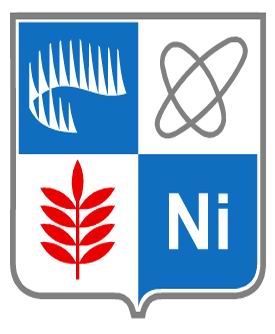
Characteristics
Zapolyarny functions as a small urban centre serving the surrounding industrial sites and settlements. Key features include:
- Location in the Pechengsky District near Norway and Finland, within the Arctic or subarctic climatic zone.
- An economy historically tied to mining and mineral extraction, notably nickel and other ores found on the Kola Peninsula.
- Basic urban infrastructure linking the town to Murmansk and regional transport routes, and proximity to military and aviation facilities such as the nearby Koshka Yavr air base.

History
The territory around Zapolyarny was under Finnish control between 1920 and 1944, reflecting the shifting borders in the far north during the early 20th century and wartime adjustments involving Russia and Finland. The modern settlement was established in 1956 and initially named Zhdanovsk; it later took the name Zapolyarny. Its growth followed the discovery and exploitation of local mineral deposits, a common pattern for towns on the Kola Peninsula.
Economy, infrastructure and community life
Mining and associated industries have been the principal economic drivers, providing employment and shaping the town's layout and services. Residential areas, schools and civic facilities were developed to support a workforce engaged in extraction and processing. The town has road connections toward Murmansk and regional centres, and its location near the settlement of strategic aviation facilities—such as the Koshka Yavr air base—has influenced local planning.
Notable facts and distinctions
Zapolyarny is notable for its Arctic setting and its role in the industrial history of the Kola Peninsula. Its proximity to the borders with Finland (the area was part of Finland between 1920 and 1944) and Norway gives it a position of geographic and historical interest. While small by regional standards, the town exemplifies northern Russian mining settlements in climate, economy and social structure.
References and further reading
For an introduction to the region and its settlements, consult regional overviews of the Kola Peninsula and administrative materials from regional authorities and local histories. Additional geographic and historical context is available in works on Arctic Russia and on the border changes affecting northwest Russia in the 20th century.
Questions and answers
Q: What is Zapolyarny?
A: Zapolyarny is a town located in the Pechengsky District of northern Murmansk Oblast.
Q: Where is Zapolyarny located?
A: Zapolyarny is located in the northern Murmansk Oblast, approximately 103 kilometers away from the administrative centre of Murmansk.
Q: What was the population of Zapolyarny in 2010?
A: The population of Zapolyarny was 15,825 people in 2010.
Q: Who owned the area where Zapolyarny is located between 1920 and 1944?
A: The area where Zapolyarny is located was owned by Finland between 1920 and 1944.
Q: When was Zapolyarny founded?
A: Zapolyarny was founded in 1956 as Zhdanovsk.
Q: What is the closest settlement to the Koshka Yavr air base?
A: Zapolyarny is the closest settlement to the Koshka Yavr air base.
Q: In which district of Murmansk Oblast is Zapolyarny located?
A: Zapolyarny is located in the Pechengsky District of Murmansk Oblast.
Related articles
Author
AlegsaOnline.com Zapolyarny — town in Pechengsky District, Murmansk Oblast Leandro Alegsa
URL: https://en.alegsaonline.com/art/110395