
Yun Chi-young: Korean independence activist, politician and diplomat
Yun Chi-young (1898–1996) was a Korean independence activist, early South Korean government minister, diplomat and mayor of Seoul, active in the Republic's formative decades.
Yun Chi-young (윤치영; 1898–1996) was a Korean independence activist, educator, diplomat and politician who held several key posts in the early Republic of Korea. His courtesy name or nickname was "DongSan" (동산, 東山). Over a long public career he served in ministerial office, represented the new state abroad and administered Seoul, taking part in politics during periods of national formation and conflict. For the Korean-language rendering of his name see Hangul spelling, and for background on the independence movement see related context.
Image gallery
1 Image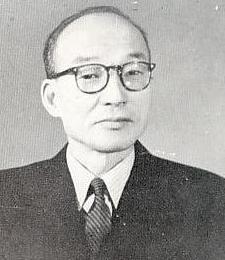
Early life and activism
Born at the end of the 19th century, Yun came of age during the Japanese occupation of Korea. Like many of his generation, he became involved in movements for national independence and in efforts to build modern education and civil institutions. Contemporary accounts describe him as active in political organization and public education before the establishment of the Republic of Korea in 1948.
Political career and government service
After liberation and the formal founding of South Korea, Yun held several important domestic offices. He was appointed the first Interior Minister in 1948, taking part in establishing internal administrative structures for the new state. He was elected to the National Assembly during its early sessions and served as a member through the 1st, 2nd and 3rd assemblies, participating in legislative debates on governance and reconstruction.
- First Interior Minister of South Korea (1948)
- Member of the 1st–3rd National Assembly
- Ambassador to France (1950–1951)
- Mayor of Seoul (17 December 1963 – 30 March 1966)
Diplomacy and municipal leadership
Yun served as ambassador to France during the early 1950s, a period that overlapped with the Korean War and the urgent need to secure diplomatic recognition and support. Later, he became mayor of Seoul in the 1960s, overseeing municipal affairs during a time of rapid social and economic change. His work in local government involved addressing urban administration and reconstruction challenges that accompanied nationwide development efforts.
Legacy and notable facts
Yun Chi-young is remembered as a figure who bridged Korea's independence movement and the institutional building of the Republic. He belonged to a politically active family; his younger half-nephew Yun Bo-seon later became the fourth president of South Korea. Historical assessments note Yun's contributions to early government organization, diplomacy and city administration, while also placing his career within the broader and often turbulent political currents of mid-20th-century Korea.
For further reading on related political figures and the period in which Yun was active, consult specialized histories of modern Korea and collections of government records from the 1940s–1960s.
Related articles
Author
AlegsaOnline.com Yun Chi-young: Korean independence activist, politician and diplomat Leandro Alegsa
URL: https://en.alegsaonline.com/art/110231
Sources
- 100.naver.com : 100.naver.com/100.nhn?docid=520742