
Yasujirō Ozu (1903–1963)
Japanese film director known for intimate family dramas, quiet formalism, low camera position and films such as Tokyo Story (1953). His restrained style influenced generations of filmmakers and film scholars.
Overview
Yasujirō Ozu was a Japanese film director whose career extended from the silent era into the postwar period. Born in 1903 and dying in 1963, he is celebrated for a body of work that examines ordinary life and family relations with a calm, spare aesthetic. His 1953 film Tokyo Story is widely regarded as a masterpiece of world cinema. For basic biographical information consult biographical resources.
Image gallery
5 Images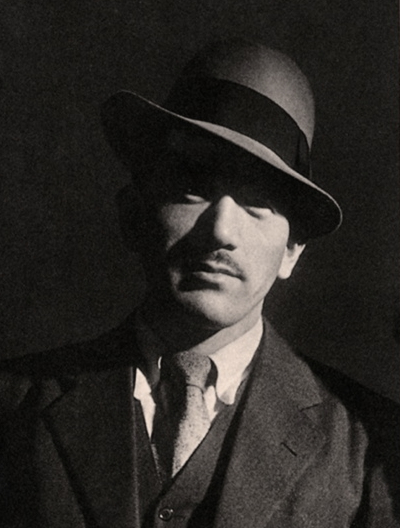


Early life and career
Ozu began working in the Japanese studio system in the early 20th century and developed his craft through silent comedies and dramas before moving steadily toward the mature domestic dramas for which he is best known. Over decades he refined a concise, anti-melodramatic approach that set him apart from many contemporaries. Scholars provide more context in critical studies.
Style and technique
His films are noted for their low camera height, often described as "tatami-level," static compositions, and a deliberate rhythm of cutting and stillness. Ozu frequently used short takes, frontal compositions and recurrent transitional shots—sometimes called "pillow shots"—that pause on interiors, streets or landscapes. He favored everyday incidents—meals, visits, departures—presented with understatement and elliptical storytelling, inviting viewers to observe small gestures and unspoken emotions.
Major works and collaborators
Major films from his mature period include Late Spring (1949), Early Summer (1951), Tokyo Story (1953), Floating Weeds (1959) and An Autumn Afternoon (1962). Ozu worked with a relatively stable group of collaborators, including long-term creative partners and a regular ensemble of actors; filmographies and annotated lists record these partnerships in detail at film lists.
Themes and reception
Recurring themes are generational tension, duty, the passage of time and the effects of modernization on intimate relationships. Ozu's restrained approach challenged conventional cinematic emotion but earned deep respect from critics, filmmakers and audiences worldwide. His films are frequently discussed for their moral clarity, humanism and formal rigor.
Legacy
Ozu's influence extends across national boundaries: his technique and moral sensibility are studied in film schools, restored in retrospectives and referenced by later directors. For focused material on Tokyo Story and its continuing relevance see resources on Tokyo Story. His work remains central to discussions of cinematic realism and the art of the everyday.
Related articles
Author
AlegsaOnline.com Yasujirō Ozu (1903–1963) Leandro Alegsa
URL: https://en.alegsaonline.com/art/109681