
Yasunari Kawabata: life, works, and literary significance
Yasunari Kawabata (1899–1972) was a Japanese novelist and short‑story writer, awarded the 1968 Nobel Prize in Literature for his lyrical, minimalist fiction rooted in Japanese aesthetics.
Yasunari Kawabata (1899–1972) was a Japanese novelist and short‑story writer renowned for his delicate prose and evocative images. In Japanese naming customs the family name precedes the given name; the family name here is Kawabata. For context about Japanese names see Japanese naming and name order. Kawabata is often discussed as one of Japan’s foremost 20th‑century authors and was the first Japanese recipient of the Nobel Prize in Literature (1968). For general reference on his career as a writer, consult introductory resources.
Image gallery
8 Images

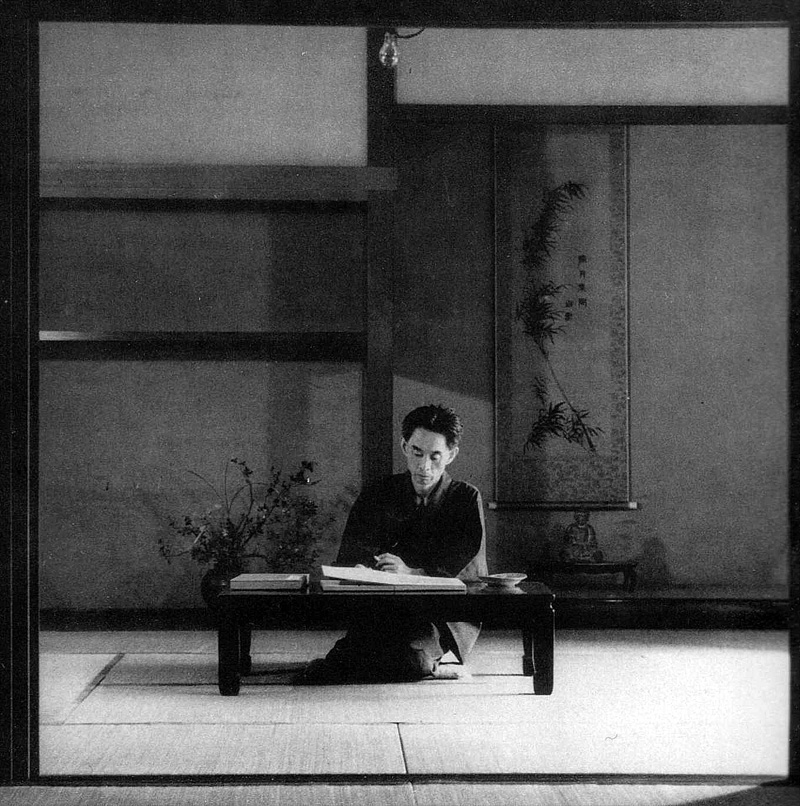


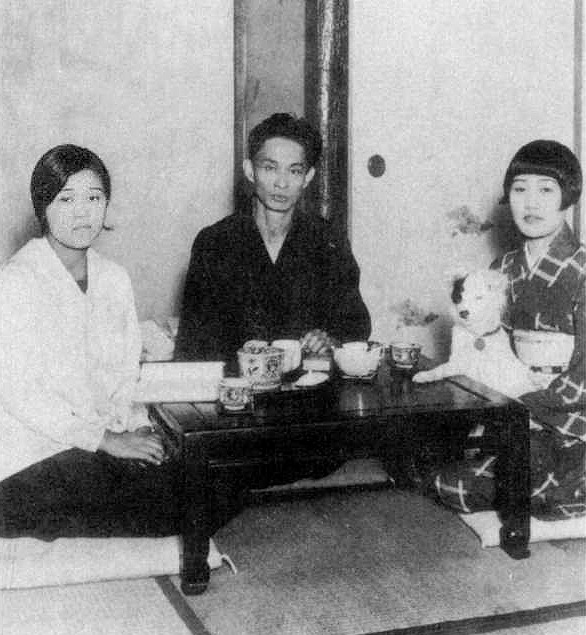
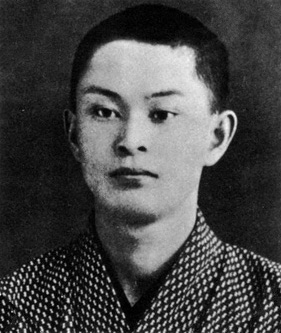

Major works
- Snow Country — A meditative novel associating landscape and passion, frequently cited as his masterpiece.
- Thousand Cranes — A shorter novel that weaves ritual, memory and delicate social detail around the Japanese tea ceremony.
- The Master of Go — A fictionalized account of a famous Go match, blending reportage with poetic reflection.
- Palm‑of‑the‑Hand Stories — Brief tales that exemplify Kawabata’s economy of language and suggestive power.
Kawabata’s style is marked by lyrical minimalism: spare sentences, sharp sensory detail, and an emphasis on suggestion rather than explicit explanation. His fiction often juxtaposes beauty and sorrow, exploring loneliness, fleeting desire, and the weight of tradition. Seasonal imagery, classical allusion, and attention to texture and gesture are recurring devices.
Born at the end of the 19th century, Kawabata wrote through Japan’s turbulent modernizing decades and participated in contemporary literary circles. His international reputation grew after translations brought his work to Western readers, culminating in the 1968 Nobel Prize. Readers should consult reliable biographies for fuller chronological detail; basic biographical summaries are available here.
Legacy and influence: Kawabata’s work remains a central point of study for its blending of modern narrative technique with traditional Japanese aesthetic sensibilities. His novels and stories have inspired stage and screen adaptations and continue to be translated, taught, and debated for their subtle emotional charge and formal restraint.
Related articles
Author
AlegsaOnline.com Yasunari Kawabata: life, works, and literary significance Leandro Alegsa
URL: https://en.alegsaonline.com/art/109685
Sources
- commons.wikimedia.org : Kawabata Yasunari
- nobelprize.org : "Yasunari Kawabata"