
Wrangell, Alaska: history, geography, and contemporary life
Wrangell is a small coastal community on Wrangell Island in Southeast Alaska, shaped by Tlingit tradition, Russian and American contact, a maritime economy, and abundant temperate rainforest and marine wildlife.
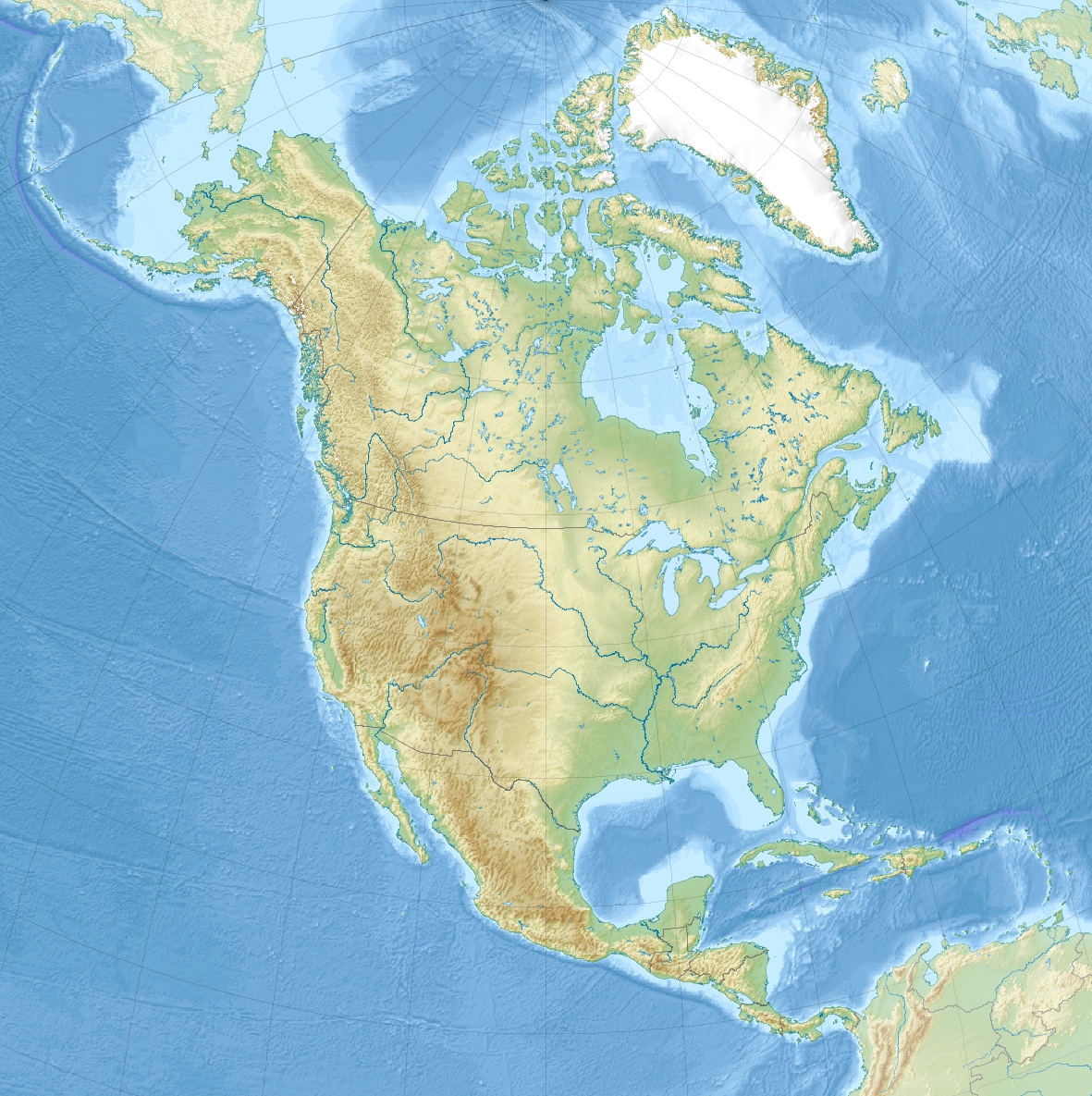
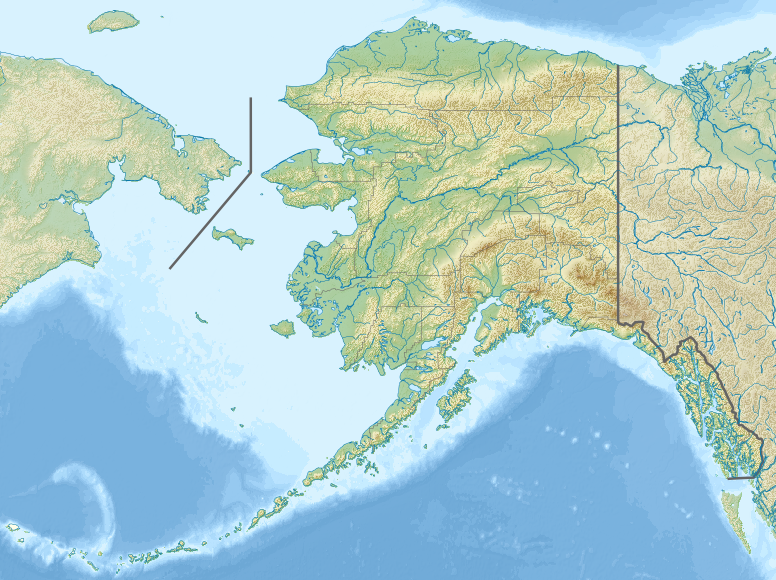
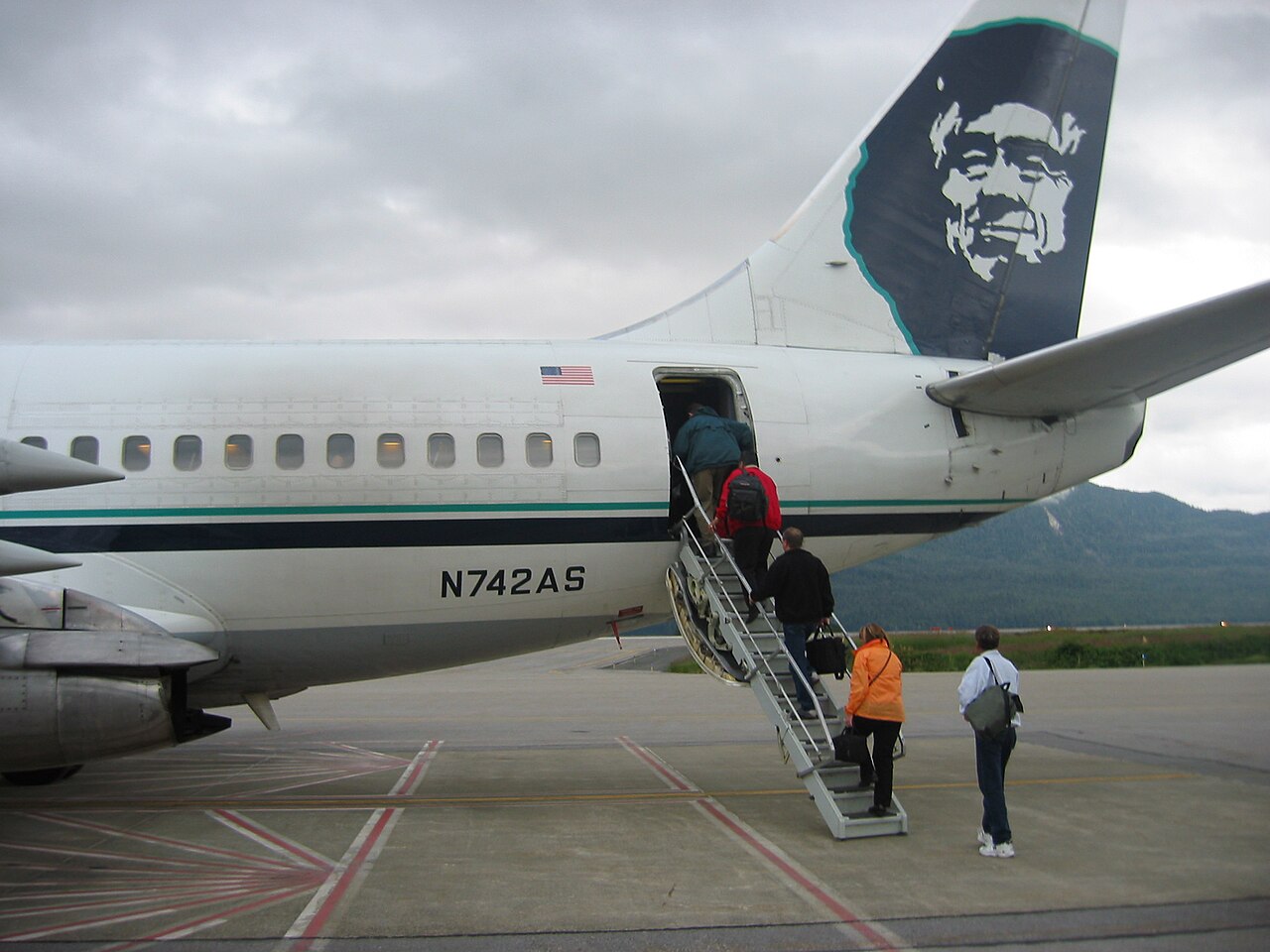
Wrangell is a small coastal community on Wrangell Island in the Alexander Archipelago of the Alaska Panhandle. It functions as a local hub for nearby islands, river systems and marine traffic. The settlement is reachable by the Alaska Marine Highway ferry system, by regional air service and by private vessel, reflecting its maritime orientation and relative isolation from road networks on the North American mainland.
Image gallery
10 Images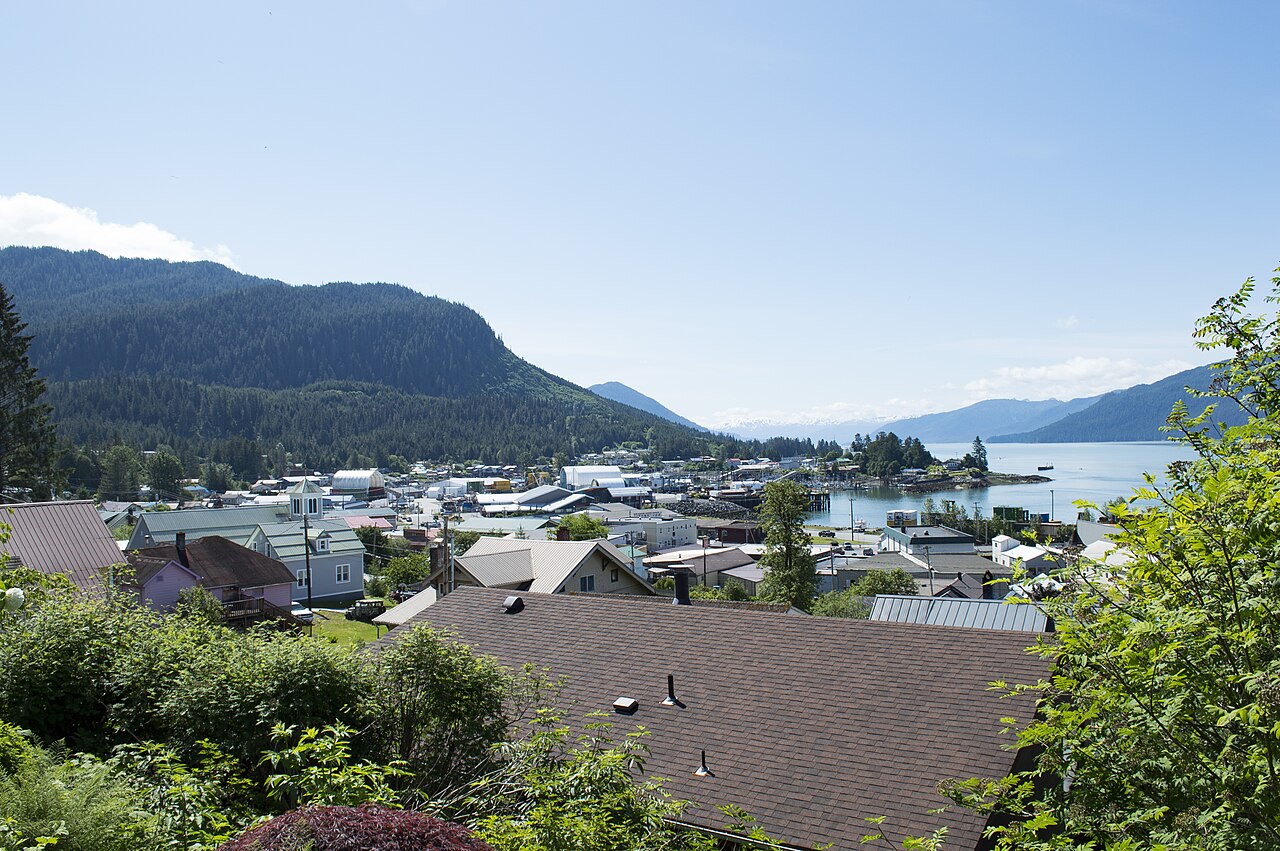




Geography and environment
Wrangell sits within a temperate rainforest zone where dense stands of Sitka spruce and western hemlock meet tidal estuaries and productive nearshore waters. Rivers and wetlands support recurring salmon runs that in turn sustain bald eagles, bears and other wildlife. The climate is maritime: generally milder and wetter than Alaska’s interior, with landscapes shaped by coastal mountains, river channels and old-growth forest patches.
History and people
The Wrangell area has been home to Tlingit people for many generations and continues to maintain strong Indigenous cultural traditions. During the 18th and 19th centuries the region saw Russian exploration and later activity by British and American traders; the community takes its name from the Russian explorer Baron Ferdinand Wrangel. In the 19th and early 20th centuries trading, canneries and other maritime industries influenced settlement patterns while Tlingit clans continued cultural and subsistence practices.
Culture, institutions and economy
Local cultural life is anchored by tribal institutions, historical sites and museums that preserve Tlingit art, totem poles and clan histories. The reconstructed clan house and public displays are important focal points for visitors and residents. The contemporary economy blends commercial fishing and seafood processing with public services, small-scale forestry, tourism and subsistence harvesting.
Visiting and recreation
Visitors come for wildlife viewing, sport fishing, kayaking, hiking and interpretation of Indigenous culture. Guided tours, interpretive centers and local festivals help explain natural history and community traditions. Conservation and stewardship of fish runs and forested watersheds are significant local concerns tied to both lifestyle and economy.
Governance and resources
- Municipal and civic information may be found through the City of Wrangell.
- Wrangell is part of the broader context of Alaska and the United States, including state and federal programs that affect transportation, fisheries and land management.
- The community’s island setting on Wrangell Island shapes daily life, access and stewardship priorities.
Related articles
Author
AlegsaOnline.com Wrangell, Alaska: history, geography, and contemporary life Leandro Alegsa
URL: https://en.alegsaonline.com/art/109169