
World Poverty and Human Rights
An overview of how extreme poverty intersects with human rights, the legal and moral claims involved, historical development, key proposals, and ongoing debates about global responsibility.
Overview
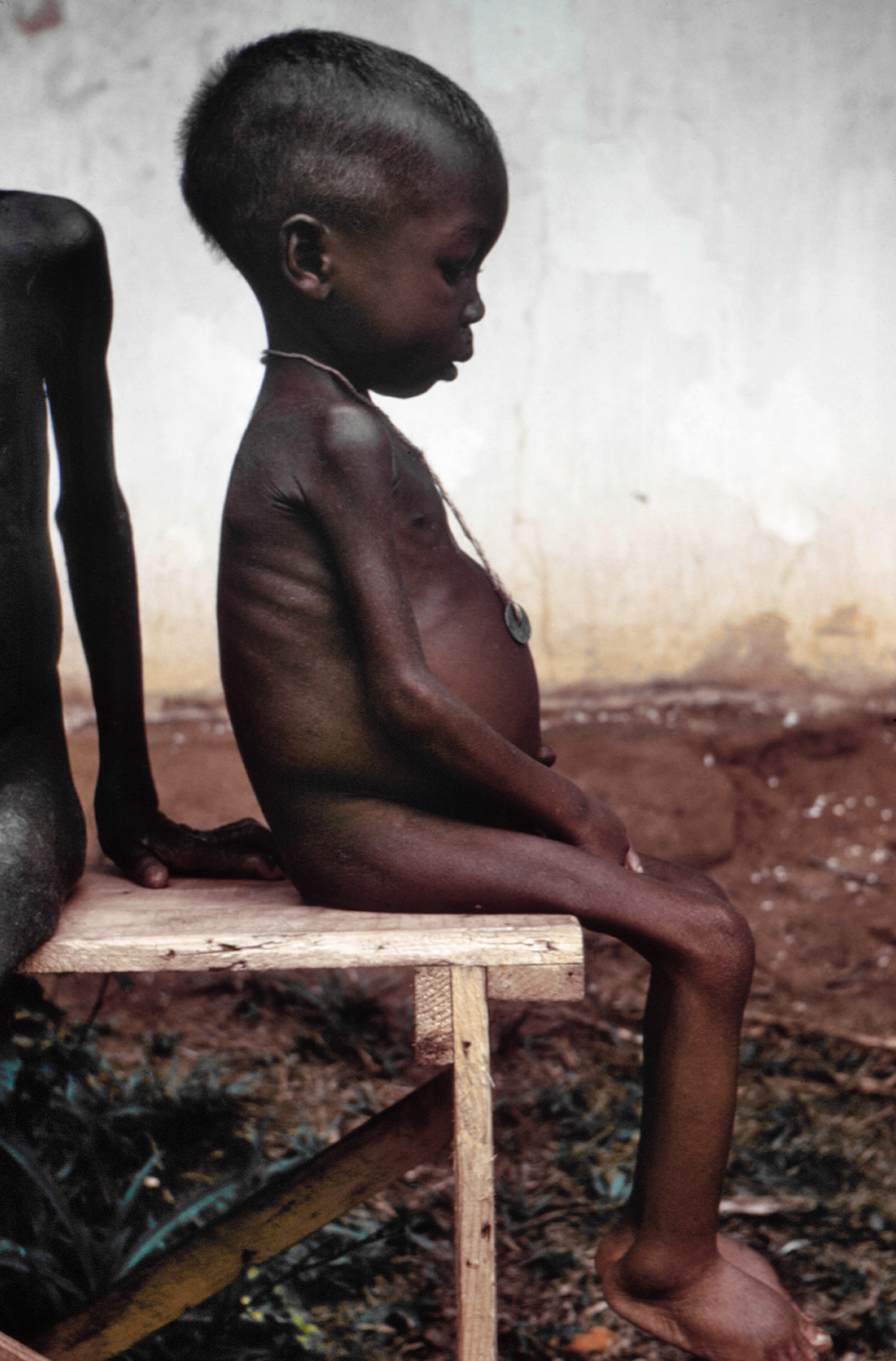
World poverty and human rights examine the relationship between extreme material deprivation and the obligations that governments, institutions and wealthy societies have toward protecting basic human dignity. The topic brings together empirical evidence about income, health and living conditions with moral and legal arguments about what counts as a right and who is responsible for fulfilling it. Scholars and advocates treat poverty not only as an economic problem but also as a violation of human rights when people lack access to food, shelter, health care and a minimally secure life.
Image gallery
2 Images
Key claims and characteristics
Analyses of global poverty measure disparities in income, nutrition and mortality and often highlight large imbalances between wealthy and poor regions. For example, philosopher Thomas Pogge famously argued in his 2002 book that a large share of the world’s population lives in extreme deprivation and that affluent countries and global institutions bear significant moral responsibility for this state of affairs. Such accounts typically stress three features:
- Structural causes: trade rules, tax systems, intellectual property regimes and debt arrangements can entrench poverty and limit access to essential goods.
- Preventable harms: many deaths and illnesses tied to poverty are avoidable with feasible public health and social policies.
- Distributional injustice: concentrating wealth and opportunity in particular regions or groups creates persistent inequality across generations.
Historical and legal context
The modern human rights framework emerged after World War II. The Universal Declaration of Human Rights (1948) and later treaties such as the International Covenant on Economic, Social and Cultural Rights recognize rights related to an adequate standard of living, food, health and housing. Over time international development agendas — from the Millennium Development Goals to the Sustainable Development Goals — have treated poverty reduction as an ethical and legal priority. Debates continue about whether these rights create direct legal duties on rich states or primarily political and moral obligations.
Responses and policy approaches
Practical responses range from humanitarian aid and bilateral assistance to systemic reforms in trade, taxation, finance and intellectual property. Advocates propose measures such as:
- Targeted cash transfers and social protection to prevent destitution.
- Changes in international rules to reduce harmful incentives and illicit financial flows.
- Investments in global public goods: vaccination, sanitation and climate resilience.
Some ethicists argue for modest, sustained transfers from affluent populations to direct poverty eradication as a moral duty; others emphasize domestic governance, local capacity and the need for institutional reform rather than only more money.
Notable debates and distinctions
Scholars distinguish between negative duties (not to harm) and positive duties (to help), and between national and extraterritorial obligations. Key debates include whether wealthy states are merely permitted to assist or are obliged to change the global order that sustains deprivation, and how to balance respect for state sovereignty with urgent humanitarian needs. Questions of measurement, effectiveness and accountability also shape policy choices.
Importance and further reading
Understanding world poverty through a human rights lens frames deprivation as a matter of justice, not merely charity, and influences international law, development practice and public ethics. For an influential philosophical treatment connecting data and moral argument, see Thomas Pogge's World Poverty and Human Rights. Continued discussion focuses on how best to translate rights into practical, fair and sustainable policies.
Questions and answers
Q: What is "World Poverty and Human Rights"?
A: "World Poverty and Human Rights" is a book written by Thomas Pogge in 2002.
Q: What does Pogge say about the income distribution among the world's population?
A: Pogge says that the poorest 46 percent of people have only 1.2 percent of global income, while the richest 15 percent have 80 percent of global income.
Q: How many people do not have enough to eat according to Pogge?
A: According to Pogge, 826 million people do not have enough to eat.
Q: What percentage of human deaths are poverty-related according to Pogge?
A: Pogge states that one-third of all human deaths are poverty-related, which amounts to 18 million deaths annually, including 12 million children under the age of five.
Q: What does Pogge suggest as a morally compelling solution to poverty?
A: Pogge suggests that shifting even 1 or 2 percent of the global income share towards poverty eradication could be a morally compelling solution.
Q: Do most rich people believe that they have a responsibility to contribute towards poverty eradication?
A: No, according to Pogge, most rich people do not believe that they have a responsibility to contribute towards poverty eradication.
Q: What is the aim of "World Poverty and Human Rights"?
A: The aim of "World Poverty and Human Rights" is to shed light on the issue of world poverty and to emphasize the moral obligation of the rich towards poverty eradication.
Related articles
Author
AlegsaOnline.com World Poverty and Human Rights Leandro Alegsa
URL: https://en.alegsaonline.com/art/109109
Sources
- search.barnesandnoble.com : World Poverty and Human Rights: Cosmopolitan Responsibilities and Reforms
- springerlink.com : Thomas Pogge: World Poverty and Human Rights