
Wim Betz (1943–2019): Belgian physician and skeptic
Belgian physician and medical professor, prominent figure in scientific skepticism in Flanders; professor emeritus at Vrije Universiteit Brussel, founding member of SKEPP and participant in EU COST B4.
Overview
Willem "Wim" Betz (22 February 1943 – 8 June 2019) was a Belgian physician and academic known for his work in medicine and public advocacy for scientific skepticism. He combined a clinical background with active involvement in evaluating claims made for complementary and alternative therapies. Betz was widely recognised in Flanders for promoting critical appraisal of medical and pseudoscientific assertions.
Image gallery
1 Image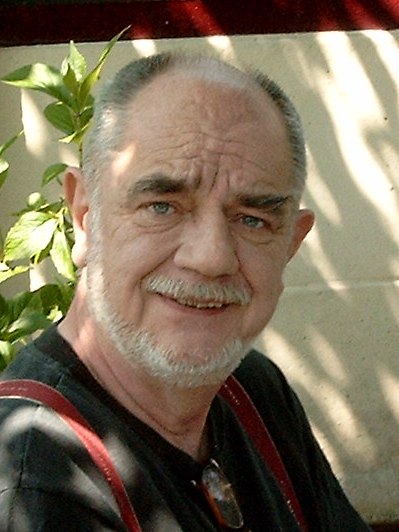
Academic career and research
Betz served on the faculty of the Vrije Universiteit Brussel, where he became professor emeritus in November 2007. During his career he taught, supervised clinical training, and participated in research projects concerned with medical practice and the assessment of non-conventional therapies. His academic role involved both patient care and the education of medical students in evidence-based medicine.
Skeptical activism and public engagement
Outside the university, Betz was a leading figure in the organised sceptical movement in Belgium. He was a founding member and vice-president of SKEPP, a Belgian organisation dedicated to the critical examination of pseudoscience, paranormal claims and unproven medical treatments. Through talks, articles and public debates he argued for rigorous standards of evidence in healthcare and for better public understanding of scientific methods.
European collaboration
Betz took part in collaborative European initiatives, including the EU COST B4 project, a research network that addressed investigation and evaluation of complementary and alternative medicine across participating countries. His involvement reflected an interest in bringing scholarly scrutiny and methodological rigour to contested areas of healthcare.
Roles and areas of focus
- Medical educator and clinician at Vrije Universiteit Brussel
- Advocate for evidence-based medicine and critical inquiry
- Founding member and officer of SKEPP, promoting scientific scepticism
- Contributor to European research on complementary and alternative medicine
Legacy
Wim Betz is remembered for bridging clinical practice and public advocacy, emphasising that medical treatments should be held to the standards of scientific evidence. He died on 8 June 2019 at the age of 76. His work influenced colleagues, students and the wider skeptical community in Belgium and beyond.
Related articles
Author
AlegsaOnline.com Wim Betz (1943–2019): Belgian physician and skeptic Leandro Alegsa
URL: https://en.alegsaonline.com/art/108429
Sources
- skepp.be : "SKEPP"
- knack.be : Arts en scepticus Wim Betz overleden