
William Bradford (Mayflower passenger)
English Separatist, Mayflower passenger and long-serving governor of Plymouth Colony; author of Of Plymouth Plantation, a foundational primary account of early New England.
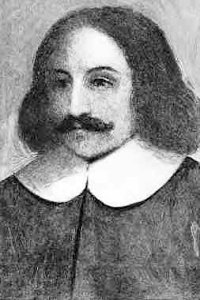
William Bradford (1590–1657) was an English Separatist who crossed the Atlantic aboard the Mayflower in 1620 to live in religious freedom in the New World. He became one of the most prominent leaders of the Plymouth community, serving as its governor for more than three decades and helping guide the settlement through famine, diplomacy, and early self-government.
Image gallery
8 Images




Early life, migration, and arrival
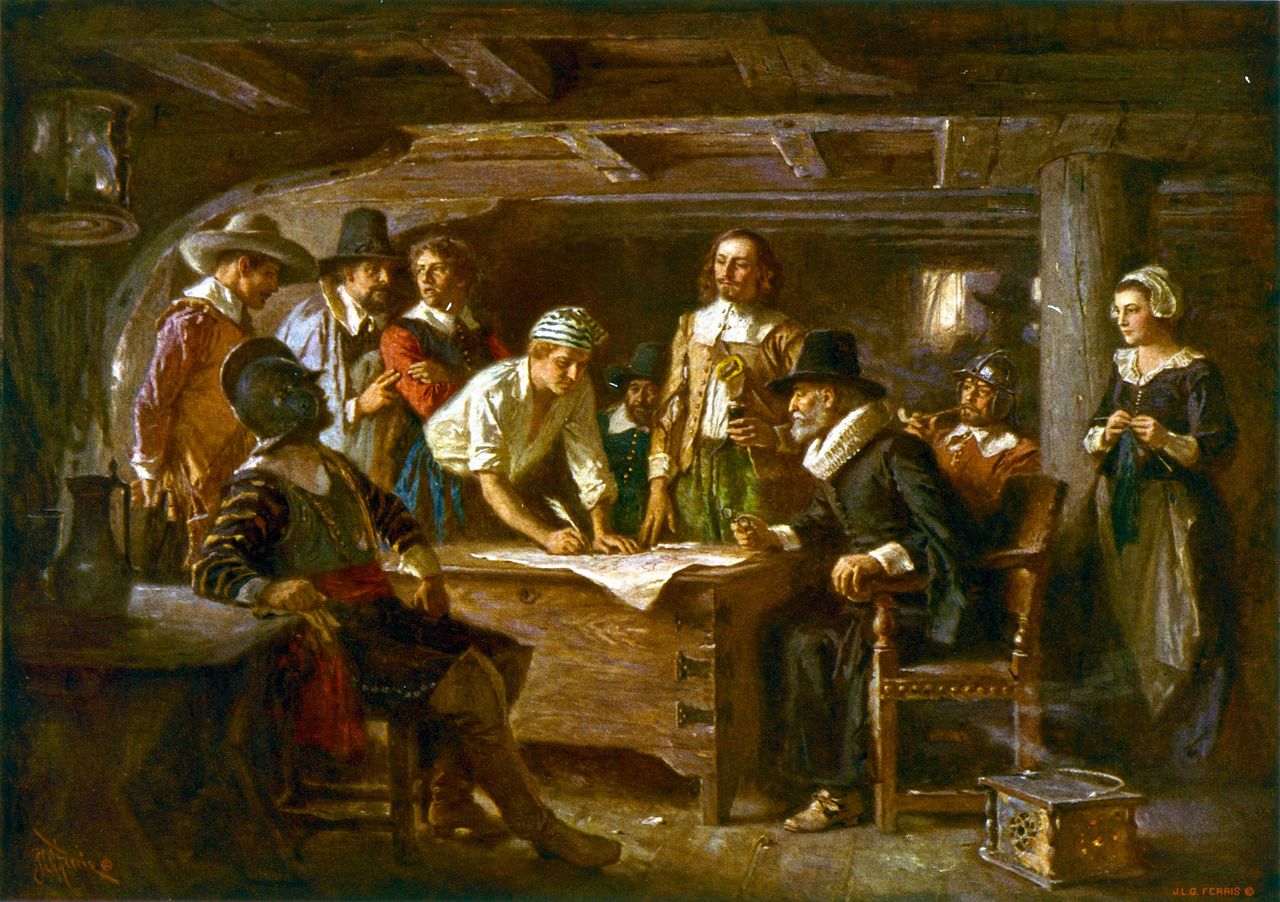
Born in Yorkshire, Bradford joined a congregation of Separatists (often called Pilgrims) who left England for the relative tolerance of Leiden, in the Netherlands. Seeking a place where they could practice their faith and sustain themselves, a group of these families organized a voyage to the Americas. Bradford sailed on the Mayflower in 1620 and was among those who signed the Mayflower Compact, a pragmatic agreement for community governance. He experienced personal loss soon after arrival when his first wife, Dorothy, drowned; he later remarried.
Governor and public life
Bradford was chosen governor of Plymouth Colony and served multiple terms across roughly thirty years, earning a reputation for patience, thrift, and steady leadership. Under his administration the colony established land divisions, managed relations with neighboring Indigenous nations (including treaties and trade), and coped with harsh first winters and intermittent food shortages. Bradford recorded communal decisions and events in plain, pragmatic prose and emphasized the colony's religious motives and practical survival strategies.
Of Plymouth Plantation and historical importance
Bradford authored a manuscript history commonly known as Of Plymouth Plantation, a detailed chronicle of the Pilgrims' motivations, the Mayflower voyage, early years in the settlement, and governmental developments. Written in stages during the mid-seventeenth century, the work remains a central primary source for scholars and the public wishing to understand life in early New England. It preserves eyewitness descriptions of events often associated with early American origins, including accounts of harvest festivals and interactions with Native leaders.
Legacy and notable facts
- One of the original signers of the Mayflower Compact and long-serving governor of Plymouth Colony.
- Viewed as a founder of early colonial self-government and a primary chronicler of the Pilgrim story; his writing shapes much modern understanding of the settlement.
- His decision-making helped secure treaties and trade arrangements with Indigenous peoples that ensured the colony's survival.
- Primary source material compiled by Bradford is preserved and studied; his journal is frequently cited in histories of the early American colonies — see Of Plymouth Plantation for his own account.
- He traveled to the New World as part of a religious migration and later became known as the second Governor, an office he held across many years (Governor).
Bradford's concise, eyewitness narrative and his practical leadership make him a central figure in the story of English settlement in North America. His life illustrates both the religious motives that propelled some colonists and the everyday governance challenges of planting a new society far from home.
Questions and answers
Q: Who was William Bradford?
A: William Bradford was a passenger on the Mayflower in 1620 and the second Governor of Plymouth Colony.
Q: Why did William Bradford travel to the New World?
A: William Bradford traveled to the New World to live in religious freedom.
Q: What did William Bradford do for over 30 years?
A: William Bradford served as the Governor of Plymouth Colony for over 30 years.
Q: What is the name of the journal that William Bradford kept?
A: The name of the journal that William Bradford kept is Of Plymouth Plantation.
Q: What is Of Plymouth Plantation about?
A: Of Plymouth Plantation is a history of the early life in Plymouth Colony.
Q: When was William Bradford born and when did he die?
A: William Bradford was born in 1590 and died in 1657.
Q: What was William Bradford's role in Plymouth Colony?
A: William Bradford was the second Governor of Plymouth Colony and served for over 30 years.
Related articles
Author
AlegsaOnline.com William Bradford (Mayflower passenger) Leandro Alegsa
URL: https://en.alegsaonline.com/art/108196
Sources
- findagrave.com : "Memorial of Dorothy Bradford"
- findagrave.com : "Memorial for Alice (Carpenter) Southworth Bradford"
- americanancestors.org : "NEHGS Pilgrim Village Families Sketch: William Bradford"