
Wiler (Lötschen)
Wiler (Lötschen) is a small alpine municipality in the Lötschental valley, canton Valais, Switzerland, known for traditional Walser culture, mountain scenery, and year‑round outdoor recreation.
Overview: Wiler (Lötschen) is a municipality in the district of Raron in the canton of Valais in Switzerland. Situated in the upper Lötschental valley, the village sits amid steep alpine slopes and glacially shaped terrain. It functions as a local centre for surrounding mountain hamlets and pasturelands, combining residential life with seasonal tourism and pastoral agriculture.
Image gallery
5 Images


Geography and characteristics
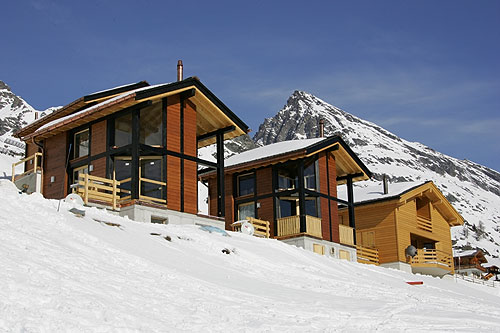
Wiler occupies a high-valley location typical of the Swiss Alps: narrow valley floor, terraces of cultivated land, and surrounding peaks. The settlement retains a compact village core with traditional stone and wood buildings adapted to harsh winters. Alpine meadows and summer pastures (alpages) outnumber intensive farmland, and hiking routes link Wiler to neighbouring valleys and mountain passes.
History and cultural identity
The Lötschental has long been associated with the Walser migration, a medieval movement of German-speaking alpine settlers. This heritage is visible in local dialects, costume traditions, and vernacular architecture. Over centuries Wiler developed as a community focused on livestock, seasonal transhumance, and self-sufficient mountain life; later centuries brought improved roads and tourism.
Economy and recreation
Economic life blends agriculture, hospitality, and services for outdoor visitors. In summer, hikers and mountaineers use Wiler as a base for trails, alpine huts, and panoramic walks. Winter brings cross-country skiing and access to regional ski areas. Local inns and guesthouses emphasize regional cuisine and mountain hospitality, while small businesses support year‑round inhabitants.
Transport and accessibility
Access is typically by valley road linked to lower-floor rail and road networks; seasonal bus connections serve the village from nearby train stations. The combination of valley transport and mountain trails makes Wiler reachable for day trips as well as longer alpine itineraries.
Notable facts and distinctions
- Wiler is representative of Lötschental's Walser cultural landscape, with preserved customs and architecture.
- Its setting offers views and access to high-alpine terrain without the scale of larger resort towns.
- Visitors often combine a stay in Wiler with exploration of nearby peaks, glacial features, and other Valais attractions.
For administrative details, maps, local events, and visitor information consult municipal and regional sources or tourism offices linked to the canton and Valais authorities. Additional information about district services is available through the district and municipal portals.
Related articles
Author
AlegsaOnline.com Wiler (Lötschen) Leandro Alegsa
URL: https://en.alegsaonline.com/art/108104
Sources
- bfs.admin.ch : "Arealstatistik Standard - Gemeinden nach 4 Hauptbereichen"
- bfs.admin.ch : "Ständige Wohnbevölkerung nach Staatsangehörigkeitskategorie Geschlecht und Gemeinde; Provisorische Jahresergebnisse; 2018"