
Bernard of Clairvaux: life, writings, and influence
Bernard of Clairvaux (1090–1153) was a French Cistercian abbot, influential theologian and mystic whose sermons, letters and counsel shaped medieval monasticism, papal policy and devotional practice.
Overview
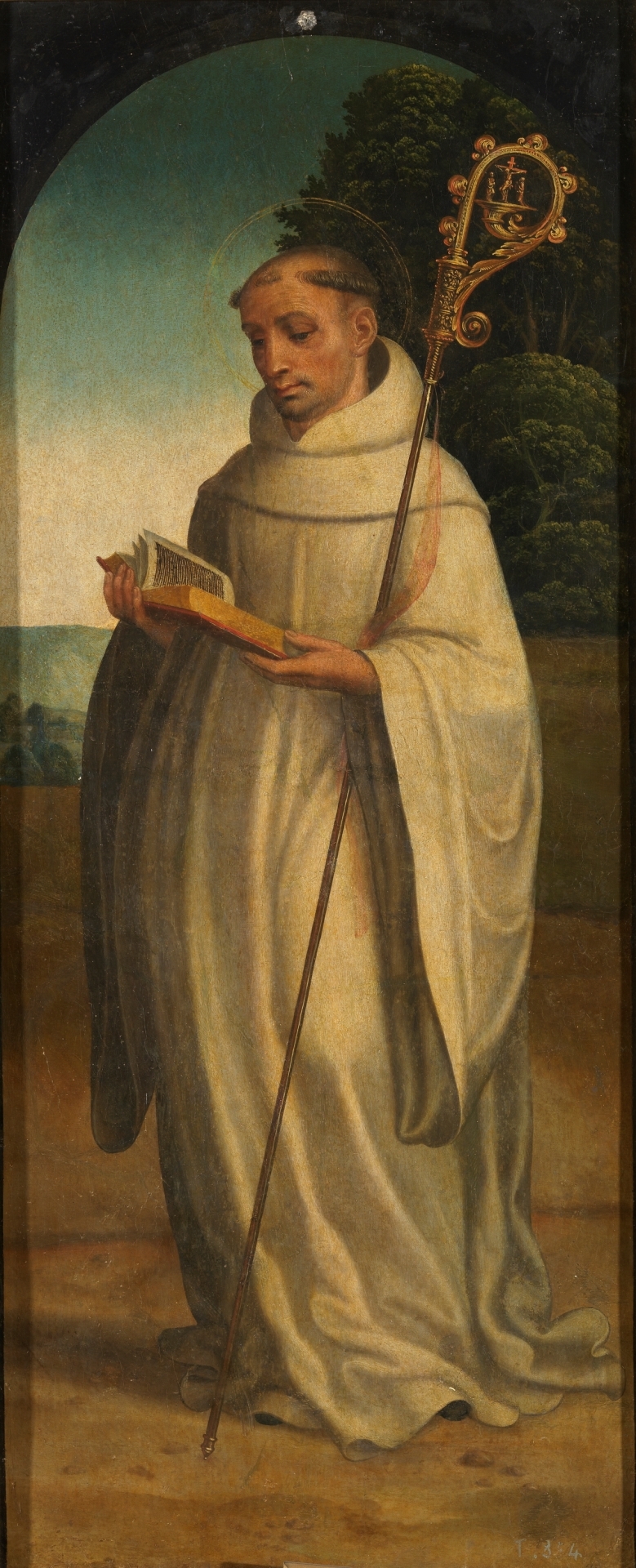
Bernard of Clairvaux (1090–1153) was a leading medieval churchman known for his role as a reforming monastic leader, spiritual writer and public theologian. He combined austere asceticism with an emphasis on contemplative love and personal devotion. Contemporaries and later generations hailed him as an authoritative guide in both monastic and ecclesial matters: he is remembered as a theologian and was venerated as a saint.
Image gallery
10 Images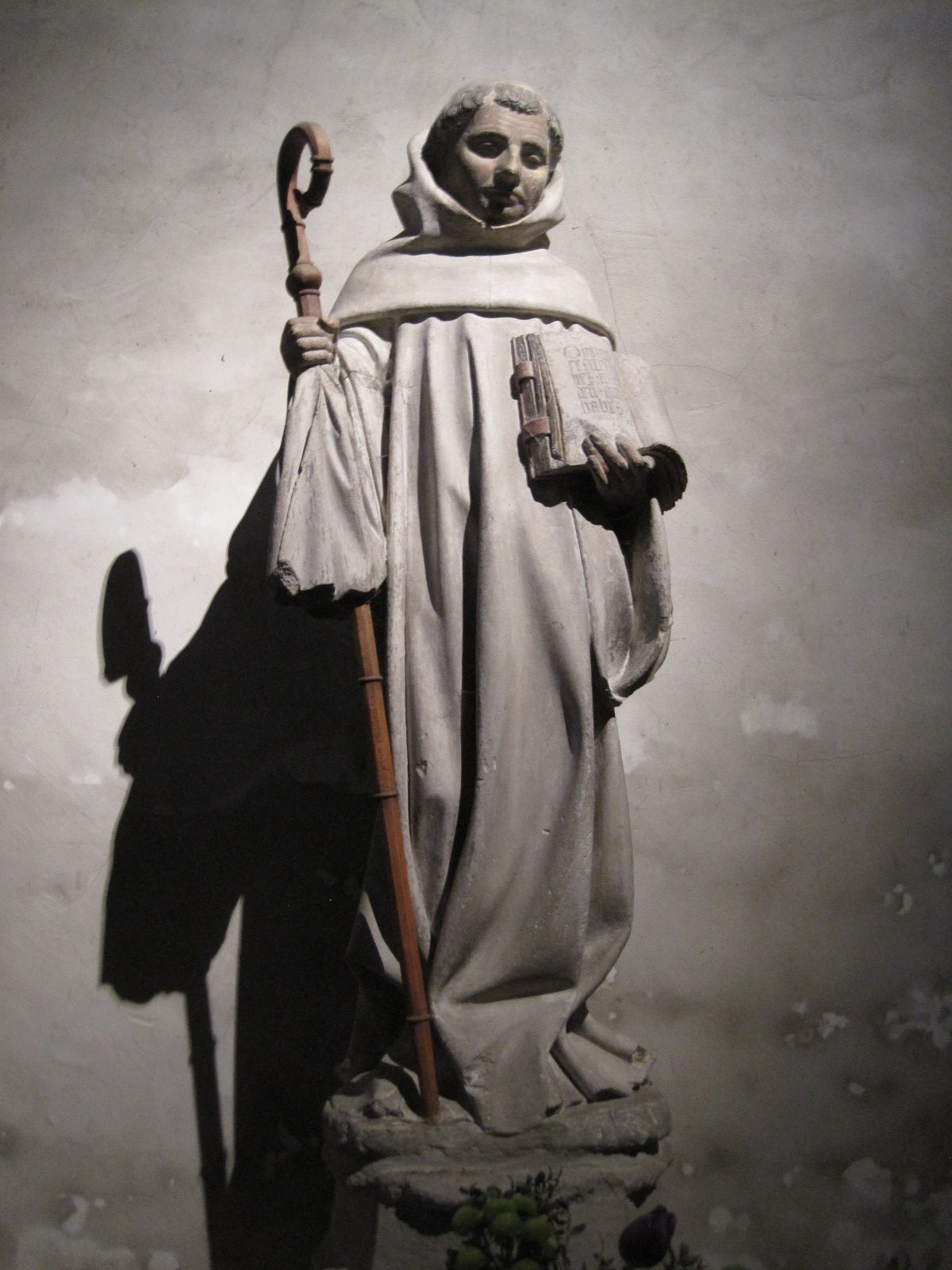





Life and monastic career
Born in Burgundy, Bernard entered the Cistercian movement in the early 12th century and founded the community at Clairvaux, where he served as abbot. Under his leadership Clairvaux grew into a major center for the order, spreading a strict interpretation of Cistercian ideals—simplicity, manual labor and liturgical devotion. Bernard also advised popes and secular rulers, often acting as an arbiter in disputes and a promoter of reforms within the church.
Writings and spirituality
Bernard left a substantial body of sermons, letters and devotional treatises. His popular works emphasize the primacy of love in the spiritual life and include meditations on the Song of Songs and short treatises on prayer and humility. These writings helped shape medieval mysticism and devotion, encouraging an affective, intimate relationship with the divine rather than a purely speculative theology.
Influence and public role
Bernard played a notable public role in his day. He rallied support for ecclesiastical causes, preached on behalf of the Second Crusade, and wrote in praise of the new military-religious institutions of his time—most famously endorsing the Knights Templar in an influential tract. As a leading figure of the Cistercian movement, he helped spread the order across Europe through foundation and correspondence.
Controversies and legacy
Bernard was not without controversy: he intervened in theological disputes, most famously opposing thinkers he regarded as overconfident in human reason, and he defended orthodox positions at synods and councils. His reputation survived mixed reactions to events such as the failed crusade he had supported. Over the centuries his letters and sermons remained central to Western devotional literature, and his influence is acknowledged in the history of monasticism, spirituality and medieval theology.
Notable facts
- He combined pastoral care with intense personal mysticism.
- He acted as a counsellor to popes and kings, shaping policy as well as prayer.
- His writings informed later devotional traditions and monastic reform.
Related articles
Author
AlegsaOnline.com Bernard of Clairvaux: life, writings, and influence Leandro Alegsa
URL: https://en.alegsaonline.com/art/10807