
Wewoka, Oklahoma
County seat of Seminole County and capital of the Seminole Nation of Oklahoma, Wewoka is a small city with a history tied to Native American government and the early 20th‑century oil boom.
Overview
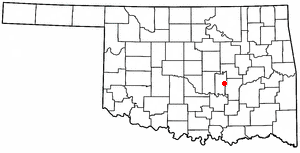
Wewoka is a city in Oklahoma in the United States. It serves as the county seat of Seminole County. The community functions as an administrative and cultural center for the surrounding rural area and for the Seminole Nation of Oklahoma.
Image gallery
3 Images

History
Wewoka grew from a Seminole settlement into a municipal center after forced removal of Native peoples to the region in the 19th century. It later became the seat of tribal government for the Seminole Nation and developed further during the early 20th century when discovery of oil in the region brought rapid economic and population growth. That period left a lasting imprint on local architecture, businesses, and civic institutions.
Characteristics and economy
The city combines governmental, cultural and service roles with an economy shaped by agriculture, energy (historically petroleum), local commerce and tribal enterprises. As a county seat it hosts courts and county offices; as the Seminole Nation's capital it is also a focal point for tribal administration and cultural preservation. The built environment mixes small‑town downtown blocks, civic buildings and neighborhoods that reflect its layered past.
Culture and notable facts
Wewoka is closely associated with Seminole history and identity. The community preserves and interprets tribal traditions, language and government institutions, and local events often emphasize that heritage. The town’s name derives from the Seminole language and is commonly noted in accounts of the region’s Native American history.
Visiting and significance
Visitors encounter museums, historic sites and local institutions that explain both the Seminole Nation’s role in Oklahoma and the effects of the oil era on small cities in the Plains. Wewoka’s position as both a county seat and tribal capital gives it an outsized civic importance relative to its size, making it a useful case study in the interwoven histories of Native governance and American settlement.
Related articles
Author
AlegsaOnline.com Wewoka, Oklahoma Leandro Alegsa
URL: https://en.alegsaonline.com/art/107636