
Berlin Friedrichstraße station
Central Berlin railway and transit hub in Mitte. Connects S‑Bahn, U‑Bahn and regional services; historically famous as a Cold War border crossing and later renovated into a major interchange.
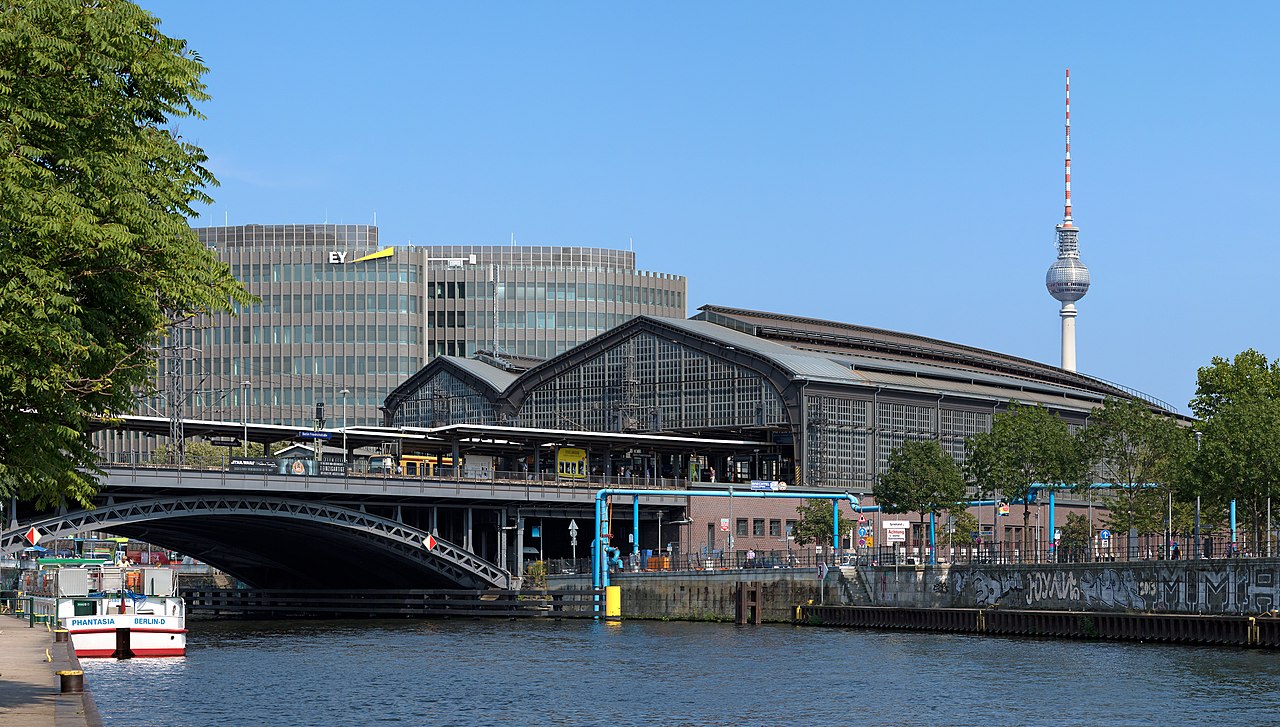
Berlin Friedrichstraße is a major railway station and interchange located on Friedrichstraße in the Mitte district of central Berlin. It functions as a focal point for local and regional passenger traffic, providing connections between S‑Bahn, U‑Bahn, regional trains and surface transport. The facility sits within the dense commercial and political heart of the city and is used daily by commuters, visitors and longer‑distance travelers changing services.
Image gallery
10 Images




Layout and services
The station comprises multiple levels and platforms, combining above‑ground S‑Bahn tracks with underground U‑Bahn platforms and bays for regional services. Transfer passages, ticket halls and retail areas link the different modes. Typical service categories found at Friedrichstraße include:
- S‑Bahn suburban lines that run through central Berlin.
- U‑Bahn platforms serving rapid transit lines that terminate or pass through the station.
- Regional and commuter trains providing connections to nearby federal states and towns.
- Surface buses and tram links in the surrounding streets.
History and Cold War significance
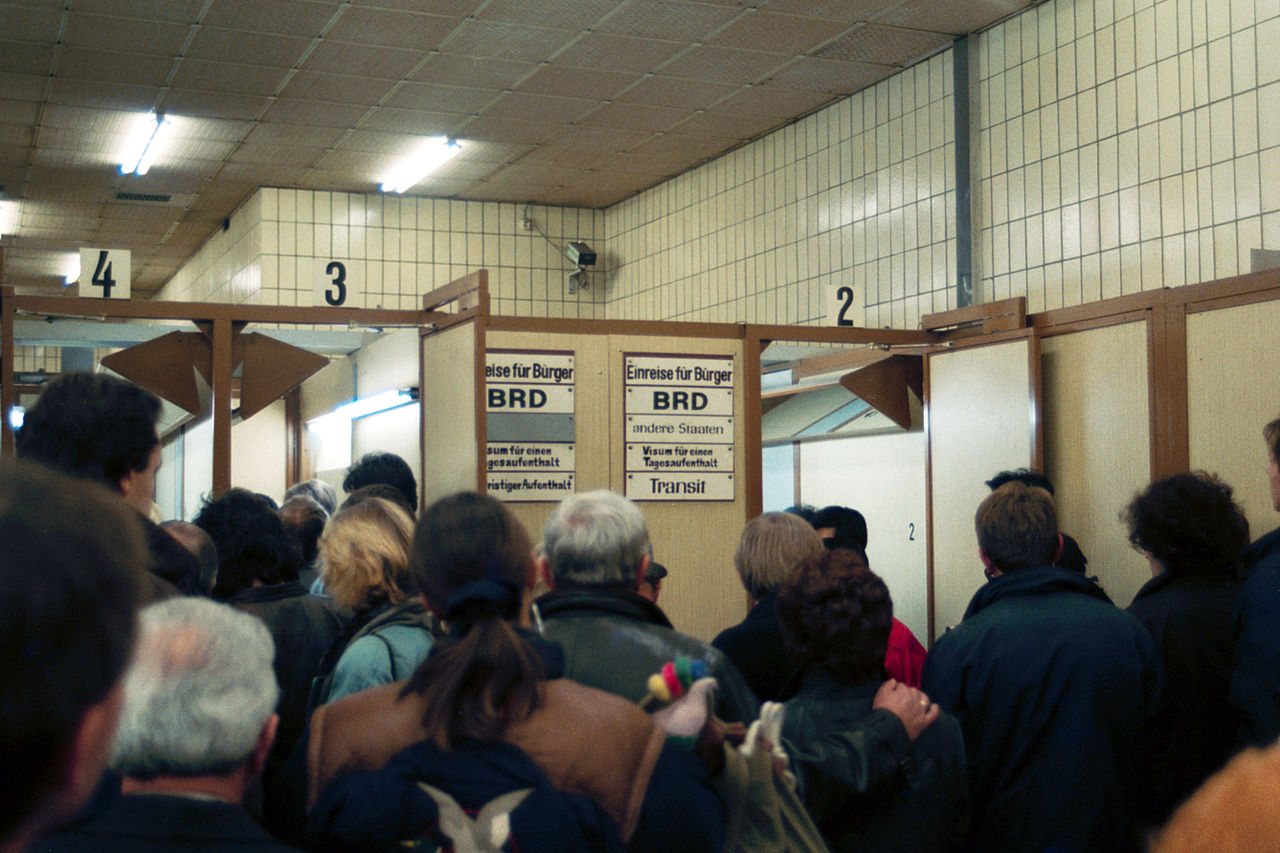
The station dates back to the era of 19th‑century railway expansion in Berlin and evolved as the city's rail network grew. Its role became especially complex during the division of Germany after World War II. Situated in East Berlin, Friedrichstraße acquired an exceptional status: it was a controlled transfer point where some services from West Berlin terminated and where passengers underwent border and passport checks. Parts of the larger rail network were closed or operated as so‑called "ghost stations," while Friedrichstraße remained a heavily policed node and a place of passage between systems administered by opposing authorities.
Post‑reunification and present day
After German reunification the station underwent substantial reconstruction and modernization to restore full connectivity and improve passenger facilities. Renovation focused on reopening and integrating previously separated platforms, upgrading signage, and adding retail and accessibility features. Today Friedrichstraße functions as an important interchange rather than a primary long‑distance terminal, feeding downtown destinations and linking multiple urban transport modes.
Notable facts and context
Friedrichstraße is remembered as much for its Cold War role as for its present utility. A former exit building used for cross‑border controls, commonly referred to in public memory, now serves as an exhibition and cultural landmark documenting the era of division. Visitors encounter layered traces of the city's 20th‑century history alongside everyday transit functions. For historical context about its role under the GDR, see resources on the period of East Germany at GDR era references.
As an urban transport hub, Berlin Friedrichstraße remains central to mobility in the city center: a compact, multi‑level station where historical significance and modern transit operations intersect.
Related articles
Author
AlegsaOnline.com Berlin Friedrichstraße station Leandro Alegsa
URL: https://en.alegsaonline.com/art/10745