
West Kalimantan (Kalimantan Barat)
Indonesian province on Borneo known for dense rainforests, river systems, cultural diversity and economic reliance on agriculture, forestry and mining. Capital: Pontianak.
Overview
West Kalimantan, known in Indonesian as Kalimantan Barat, is one of the provinces occupying the Indonesian portion of the island of Borneo. It lies on the island's western side and is administered as part of the Republic of Indonesia (Indonesia). The provincial capital and largest city is Pontianak. The region is characterized by large tracts of tropical rainforest, extensive river networks and a mix of coastal and inland lowlands.
Image gallery
10 Images




Geography and environment
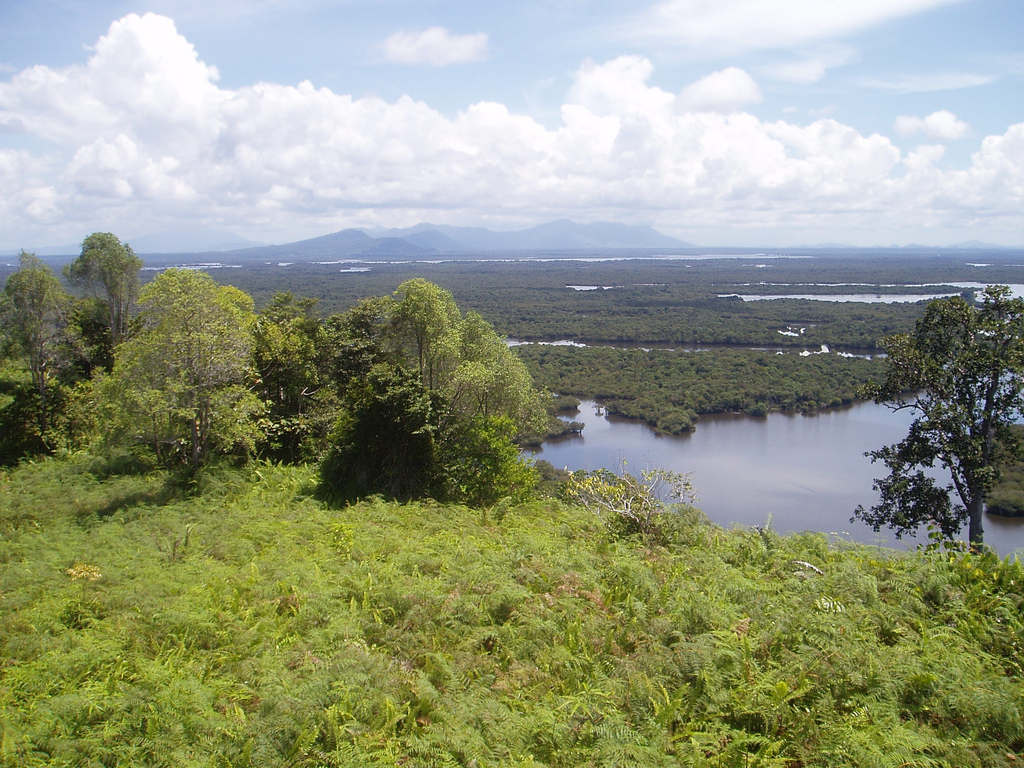
West Kalimantan covers a broad area that includes swamps, peatlands and hilly interior terrain. Major rivers, notably the Kapuas (one of Indonesia's longest rivers), provide crucial transport routes and fertile floodplains. The province forms part of the island of Borneo, a global center of biological diversity that supports many endemic plant and animal species. Forest cover has been reduced in places by logging, plantation development and fires, leading to conservation concerns.
History and peoples
The region has long been home to indigenous Dayak communities alongside Malay sultanates and trading settlements. During the colonial era it came under Dutch influence and later became part of the independent Indonesian state after World War II. Today the population is ethnically diverse, including Dayak groups, Malays, Chinese Indonesians and other communities with distinct languages, customs and religious traditions.
Economy and population
Economic activity in West Kalimantan centers on agriculture (rubber, palm oil, rice), forestry, mining and fisheries. Urban centers like Pontianak are hubs for trade, government services and education. Population counts have been taken in national censuses; for example, figures from the 2010 census and subsequent estimates show gradual growth driven by natural increase and migration to towns.
Administration and culture
The province is divided into regencies and cities, each with local administrations responsible for public services and development. Cultural life includes traditional crafts, music and ceremonies associated with Dayak and Malay identities, while Pontianak hosts cultural events and markets that reflect the area's plural society.
Notable facts
- Strategic location along Borneo's western coast and inland waterways.
- High biodiversity and environmental importance, with ongoing conservation challenges.
- Mixture of indigenous and immigrant communities shaping a multiethnic culture.
Questions and answers
Q: What is West Kalimantan?
A: West Kalimantan is a province of Indonesia located in Kalimantan, the Indonesian part of the island of Borneo.
Q: What is the capital city of West Kalimantan?
A: The capital city of West Kalimantan is Pontianak.
Q: How big is West Kalimantan?
A: West Kalimantan has an area of 147,307 square kilometres (56,876 sq mi).
Q: What was the population of West Kalimantan according to the 2010 census?
A: According to the 2010 census, the population of West Kalimantan was 4,395,983.
Q: What is the latest official population estimate for West Kalimantan?
A: The latest official population estimate (as of January 2014) for West Kalimantan is 4,546,439.
Q: Where is West Kalimantan located?
A: West Kalimantan is located in Kalimantan, the Indonesian part of the island of Borneo.
Q: How many Indonesian provinces are there in Kalimantan?
A: There are five Indonesian provinces in Kalimantan, including West Kalimantan.
Related articles
Author
AlegsaOnline.com West Kalimantan (Kalimantan Barat) Leandro Alegsa
URL: https://en.alegsaonline.com/art/107399
Sources
- kalbarprov.go.id : West Kalimantan Provincial Government
- undp.org : Overcoming Violent Conflict: Volume 1, Peace and Development Analysis in West Kalimantan, Central Kalimantan and Madura
- gdfao.gov.cn : "Province of West Kalimantan, Indonesia (1995)"
- knoema.com : "West Kalimantan - Population"