
Waverly, Alabama — small town in Chambers County
Waverly is a small incorporated town in Chambers County, in eastern Alabama. This article outlines its setting, history, community life, and distinguishing features for general reference.
Overview
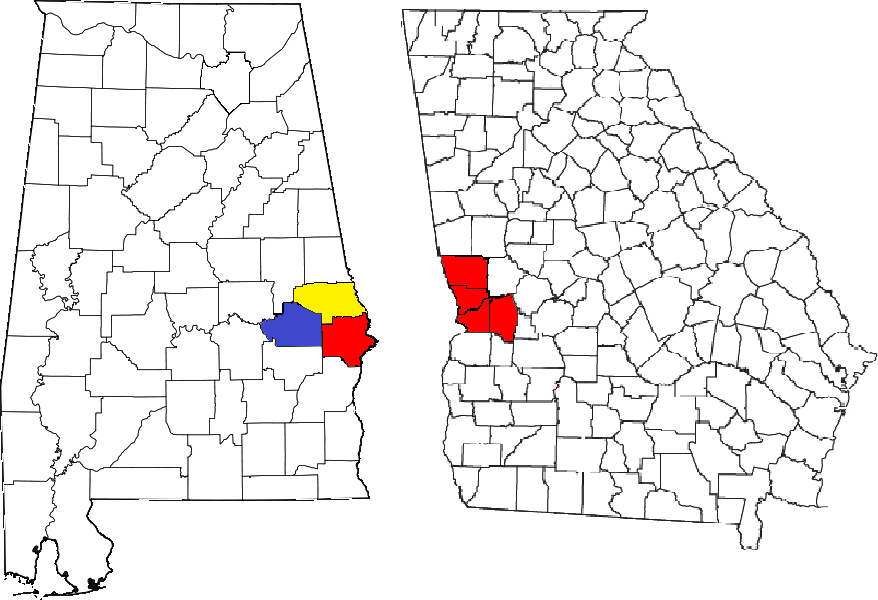
Waverly is an incorporated town located in Chambers County in eastern Alabama. It exemplifies many small rural communities in the southeastern United States: limited population, local municipal government, and a community identity built around churches, schools and civic organizations. Its size and character make it primarily residential with local businesses and services that support nearby agricultural and commuting populations.
Image gallery
10 Images




Geography and climate
The town lies in the inland region of the state, not far from the Georgia state line, and experiences a humid subtropical climate typical of the area — hot summers, mild winters and ample rainfall. The surrounding landscape is a mixture of farmland, woodland and small waterways, providing a rural setting that shapes local land use and recreation.
History and origins
Like many American communities founded in the 19th century, Waverly grew as settlers established farms and small businesses along transportation routes. The town's name follows a widespread nineteenth‑century pattern of borrowing literary or British place names — many U.S. towns named Waverly/Waverley were inspired by Sir Walter Scott's novel Waverley. Over time, the community evolved while retaining ties to regional agricultural traditions.
Community, economy and institutions
The local economy is a mix of family farming, small enterprises and residents who commute to larger towns for work. Civic life centers on local churches, volunteer organizations and school systems, which serve as focal points for events and social ties. Municipal government typically handles public services such as road maintenance, utilities and zoning at a scale appropriate for a small town.
Notable facts and distinctions
- Waverly should not be confused with other U.S. places of the same name; many states have a Waverly or Waverley.
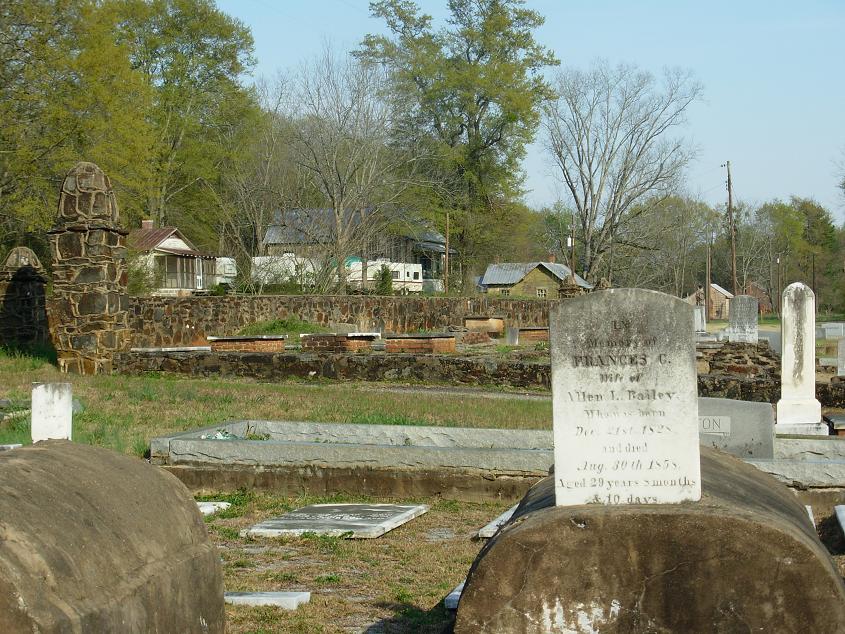
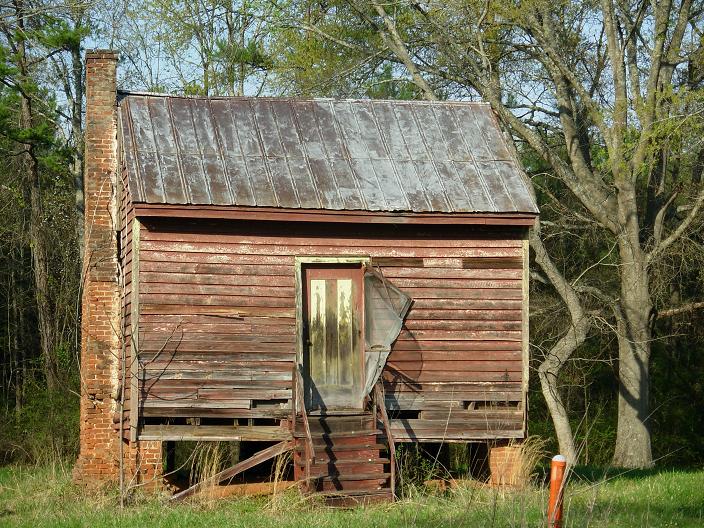
- Small towns like Waverly often preserve historic buildings and local customs important to regional cultural history.
- Visitors and researchers interested in genealogy, rural architecture or regional histories often use municipal records and local historical societies to learn more.
For official information, local history or municipal contacts, see the town’s resources and county records; further regional context is available through state and county pages such as Chambers County and related Alabama references at state resources.
Related articles
Author
AlegsaOnline.com Waverly, Alabama — small town in Chambers County Leandro Alegsa
URL: https://en.alegsaonline.com/art/106928