
Wanette, Oklahoma
Wanette is a small rural town in central Oklahoma, United States. This article summarizes its setting, development, community life, economy, and notable local features.
Overview
Wanette is a small incorporated town in Oklahoma, in the United States. Located in a largely rural part of the state, Wanette serves as a local center for nearby farms and residences. Like many small Oklahoma towns, it combines residential neighborhoods, a modest commercial strip, and community institutions.
Image gallery
1 Image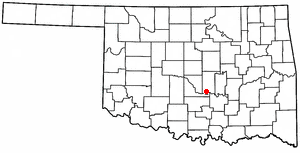
Characteristics
The town is characterized by low-density housing, churches, small businesses, and public facilities that support daily life. Municipal services are provided by a town government and by the county and state for broader functions. Transportation is typically by road, and residents commonly travel to larger nearby cities for specialized services and employment.
History and development
Wanette developed as part of the settlement and agricultural development of central Oklahoma. Its growth reflected regional patterns: farming and ranching in the surrounding countryside, local trade, and the gradual consolidation of services as rural populations shifted. Over time the town adapted to changes in agriculture, transportation, and the regional economy.
Economy and community life
The local economy centers on agriculture, service businesses, and commuters who work in larger towns or cities. Community life often revolves around school and church activities, seasonal events, and volunteer organizations. Small towns such as Wanette typically maintain traditions like annual festivals, community gatherings, and support networks among neighbors.
Notable features and context
- Small-town governance and civic organizations that coordinate local services and events.
- Rural landscapes and agricultural land uses surrounding the town.
- Proximity within driving distance of larger urban areas for shopping, health care, and employment.
Wanette exemplifies many small American towns: a compact community with local institutions that reflect the history and economy of its region, and ongoing adaptation to broader social and economic trends.
Related articles
Author
AlegsaOnline.com Wanette, Oklahoma Leandro Alegsa
URL: https://en.alegsaonline.com/art/106438