
Wangen an der Aare
Wangen an der Aare is a historic town in Oberaargau, canton of Bern, Switzerland. It lies on the Aare river and is known for its medieval core, river crossing, local economy and regional connections.
Overview
Wangen an der Aare is a small municipality in the administrative district of Oberaargau within the canton of Bern in Switzerland. The town occupies a riverside site on the Aare and functions as a local service centre for surrounding farming communities. Its name signals the town's long association with the river: "an der Aare" means "on the Aare."
Image gallery
6 Images




Geography and landmarks
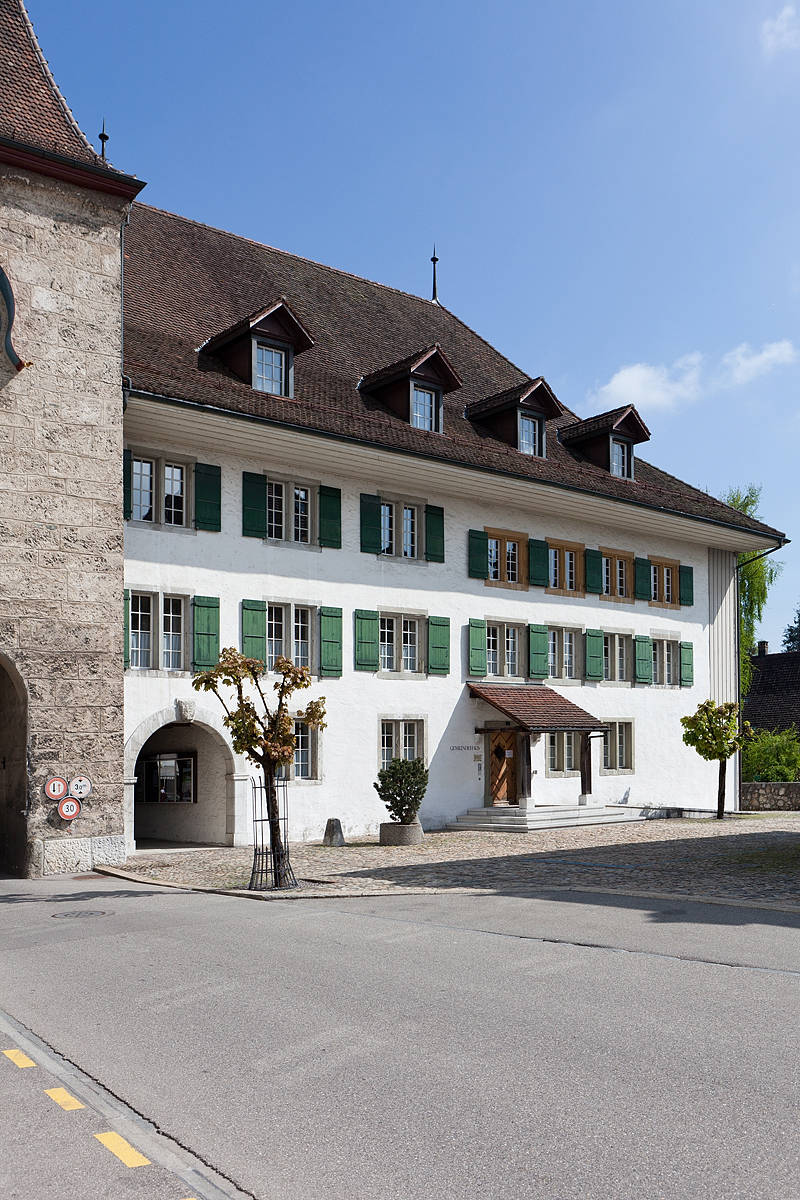
The Aare river runs through the settlement, shaping its layout and history. The historic core retains a compact pattern of streets and traditional buildings, often noted for timber framing and stone facades. A river crossing or bridge has long been central to the town, and the waterfront remains a focal point for walks and local life. The surrounding landscape is a mix of cultivated fields, meadows and small woodland patches typical of the Oberaargau region.
History and development
Wangen an der Aare has medieval origins. Its riverside position gave it strategic and economic importance as a crossing, market point and local administrative place. Over centuries the town evolved from a rural trading centre into a municipality with municipal institutions and a preserved old town. Architectural traces of different periods can still be seen in civic buildings and churches.
Economy, transport and uses
The local economy combines agriculture, small businesses, crafts and services that serve residents and neighbouring villages. Tourism plays a seasonal role thanks to the town's historic character and riverside setting, attracting day visitors and walkers. Regional transport links — local roads and public transport connections — tie Wangen an der Aare to larger towns in the canton and beyond, making it accessible while retaining a village atmosphere.
Notable facts and distinctions
Wangen an der Aare is often highlighted for its well-preserved old town and riverside scenery. It should not be confused with other places of a similar name elsewhere in the German-speaking world; the suffix "an der Aare" identifies its location on the Aare river. For visitors interested in Swiss small-town history, the town offers a compact example of a regional centre shaped by river transport, agriculture and local administration.
Main sights
- Historic town centre and riverside promenades
- Local parish church and traditional civic buildings
- Walking routes along the Aare and through adjacent countryside
Related articles
Author
AlegsaOnline.com Wangen an der Aare Leandro Alegsa
URL: https://en.alegsaonline.com/art/106449
Sources
- bfs.admin.ch : "Arealstatistik Standard - Gemeinden nach 4 Hauptbereichen"
- bfs.admin.ch : "Ständige Wohnbevölkerung nach Staatsangehörigkeitskategorie Geschlecht und Gemeinde; Provisorische Jahresergebnisse; 2018"