
Walter Savage Landor (1775–1864)
English writer known for his polished prose dialogues and lyrical verse, author of Imaginary Conversations and Gebir; noted for classical style, sharp wit, and influence across Romantic and Victorian letters.
Overview
Walter Savage Landor (1775–1864) was an English poet and prose writer celebrated for the elegance of his language and the force of his style. He produced both short lyrical poems and extended prose pieces, and is best remembered for his Imaginary Conversations, a series of dramatic dialogues between historical or fictional figures that display keen moral and political insight.
Image gallery
10 Images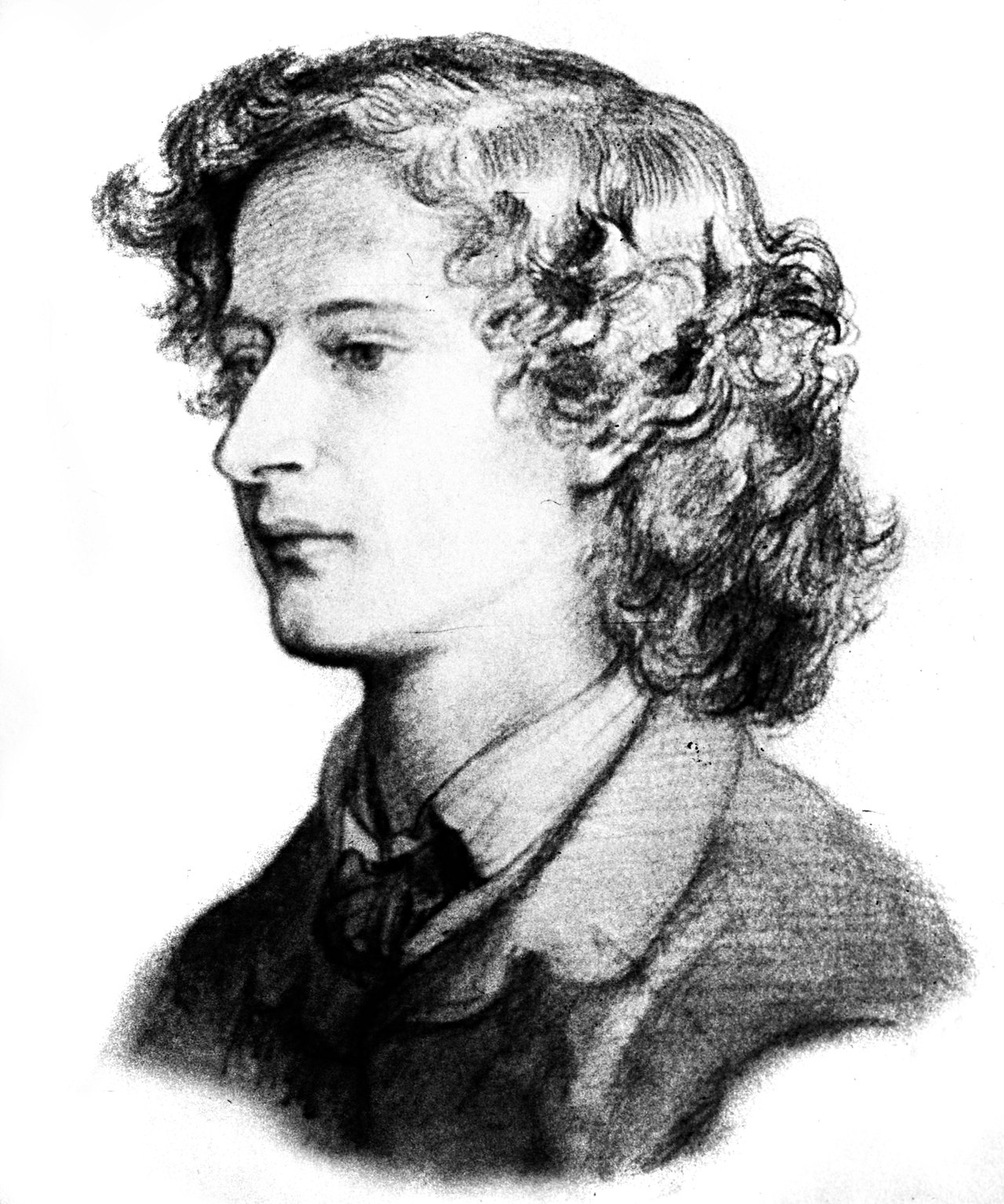
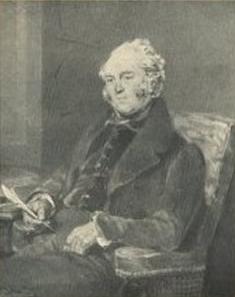


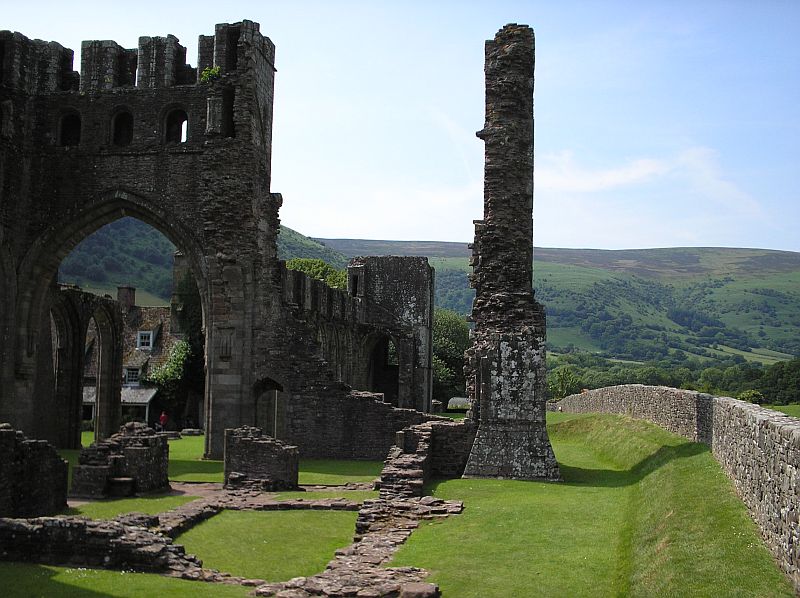

Style and themes
Landor's work is marked by classical restraint, epigrammatic turns of phrase, and a preference for polished expression over elaborate ornament. His themes include personal honor, political liberty, historical reflection, and the moral responsibilities of artists and leaders. Critics have often admired his ability to combine terse moral aphorisms with vivid characterization.
Major works
- Imaginary Conversations — a multi-volume set of prose dialogues between famous figures.
- Gebir — a long narrative poem notable for its compressed imagery and classical allusions.
- Collections of shorter poems and essays that exemplify his lyrical clarity and satirical edge.
Life and reputation
Born in Warwickshire, Landor spent much of his adult life on the Continent, particularly in Italy, where he wrote and engaged with a wide circle of literary figures. He became known as a passionate, often quarrelsome personality, involved in disputes and public controversies that sometimes overshadowed his writing. Nonetheless, his commitment to literary craft and moral seriousness secured him lasting respect among readers and fellow writers.
Legacy and influence
Landor occupies a distinctive position between the Romantic and Victorian eras. While he shared Romantic concerns for individual conscience and vivid imagination, his classical restraint and polished prose anticipated later Victorian tastes. He influenced subsequent writers who valued succinct dialogue and moral reflection, and his Imaginary Conversations remain a model for literary dialogues.
Further reading
For concise introductions and selections of his work, see general literary surveys and online resources. Primary texts and scholarly studies are available through academic collections and digital archives; for starting points consult editions and guides listed at selected bibliographies and library portals such as research guides.
Related articles
Author
AlegsaOnline.com Walter Savage Landor (1775–1864) Leandro Alegsa
URL: https://en.alegsaonline.com/art/106389