
Wabash, Indiana
Wabash is a small city in north-central Indiana on the Wabash River, known for its historic downtown, community venues, local industry, and regional role as a county seat.
Overview
Wabash is a city in north-central Indiana in the United States. It serves as a local center for commerce, government and community life for the surrounding rural area. The city is associated with the Wabash River and a compact downtown that combines civic buildings, shops, restaurants and cultural venues. Residents and visitors value its mix of small‑town character and public amenities.
Image gallery
10 Images


Geography and layout
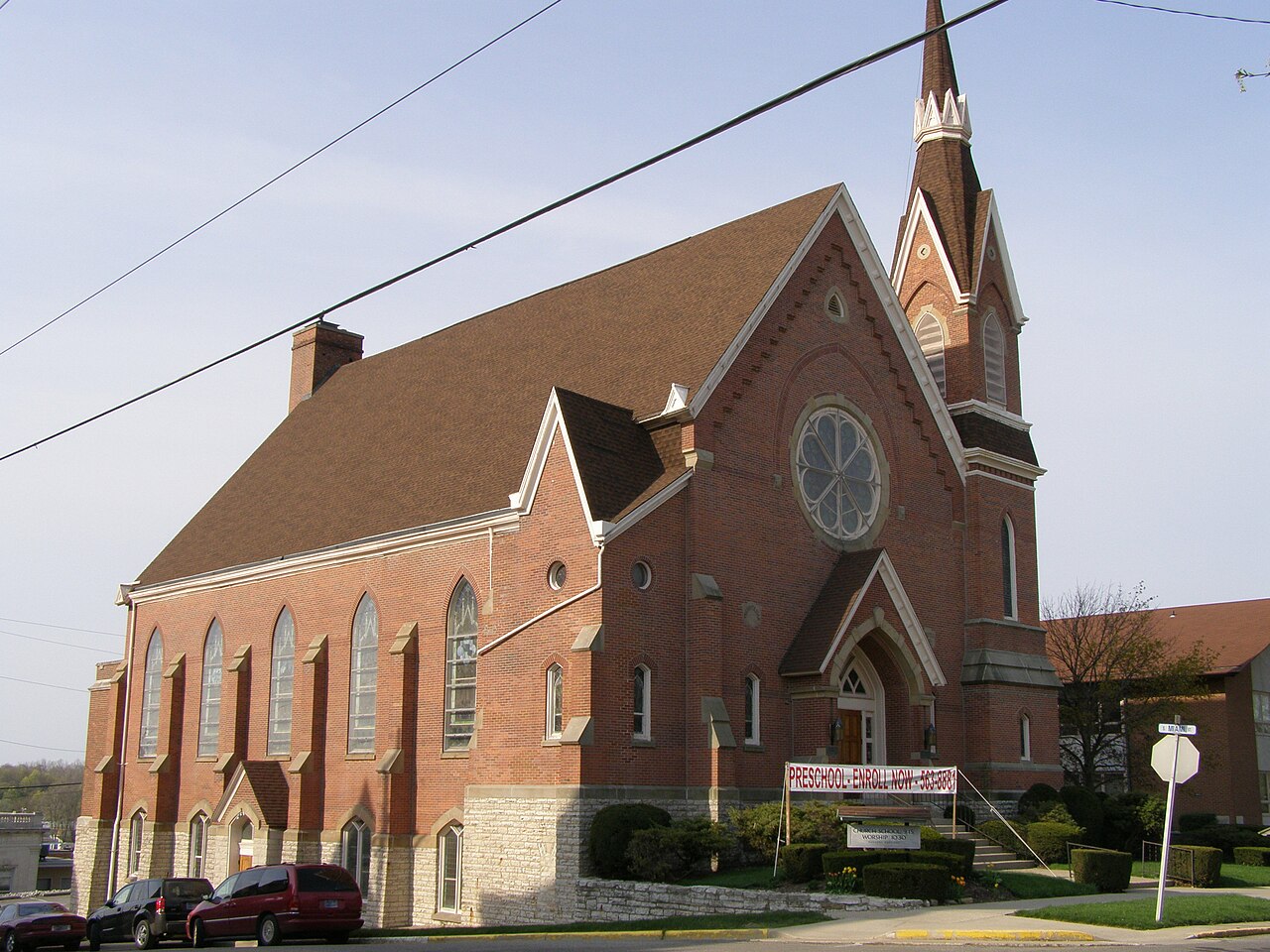
Wabash is situated along a river corridor, and its development is shaped by that waterfront. The downtown core contains municipal and historic buildings, while residential neighborhoods fan out around it. Nearby farmland and light industrial zones reflect the regional economy. Public parks and riverfront greenways provide recreational space and help connect different parts of the city.
History and development
The city's history ties to river transportation, agriculture and later industrial growth typical of Indiana communities. Local historical accounts emphasize early civic improvements and community institutions that shaped growth. Over time the downtown evolved with historic architecture, theaters and civic centers that continue to host events and cultural programs.
Economy, culture and uses
Wabash functions as a service center for surrounding towns and farms. Key activities include retail and professional services, small‑scale manufacturing, public administration and cultural attractions that draw regional visitors. Community organizations, seasonal festivals and performing arts facilities contribute to a lively local calendar and civic identity.
Points of interest and civic life
- Historic downtown district with shops, restaurants and civic buildings
- Riverfront parks and walking routes
- Theaters, community centers and museums that host performances and exhibits
- Local festivals, markets and public celebrations
Notable facts and distinctions
Wabash is frequently noted for its preserved downtown character and active civic institutions that serve both residents and the wider county. Its role as a local government and cultural hub makes it important to the surrounding rural communities. For more information or local resources, consult municipal materials or regional guides that cover history, events and services.
Related articles
Author
AlegsaOnline.com Wabash, Indiana Leandro Alegsa
URL: https://en.alegsaonline.com/art/106071