
Vouvant — medieval commune in Vendée, Pays de la Loire, France
Vouvant is a small historic commune in the Vendée department of Pays de la Loire, western France, known for medieval remains, the Tour Mélusine, a Romanesque church and nearby Mervent–Vouvant forest.
Vouvant is a small commune in western France noted for its well-preserved medieval character. It lies in the department of Vendée within the region of Pays de la Loire, and is one of the rural settlements that attract visitors for history, walks and local crafts. Administratively it is a commune and part of the broader landscape of France.
Image gallery
10 Images



Location and landscape
The village sits near wooded countryside and river valleys that shape its setting. A mixed agricultural and forested zone surrounds the settlement, including the nearby Mervent–Vouvant woodlands that provide trails, picnic areas and varied wildlife. The compact layout of the village preserves narrow streets, stone houses and green spaces that make it a focal point for countryside tourism.
Historic features and landmarks
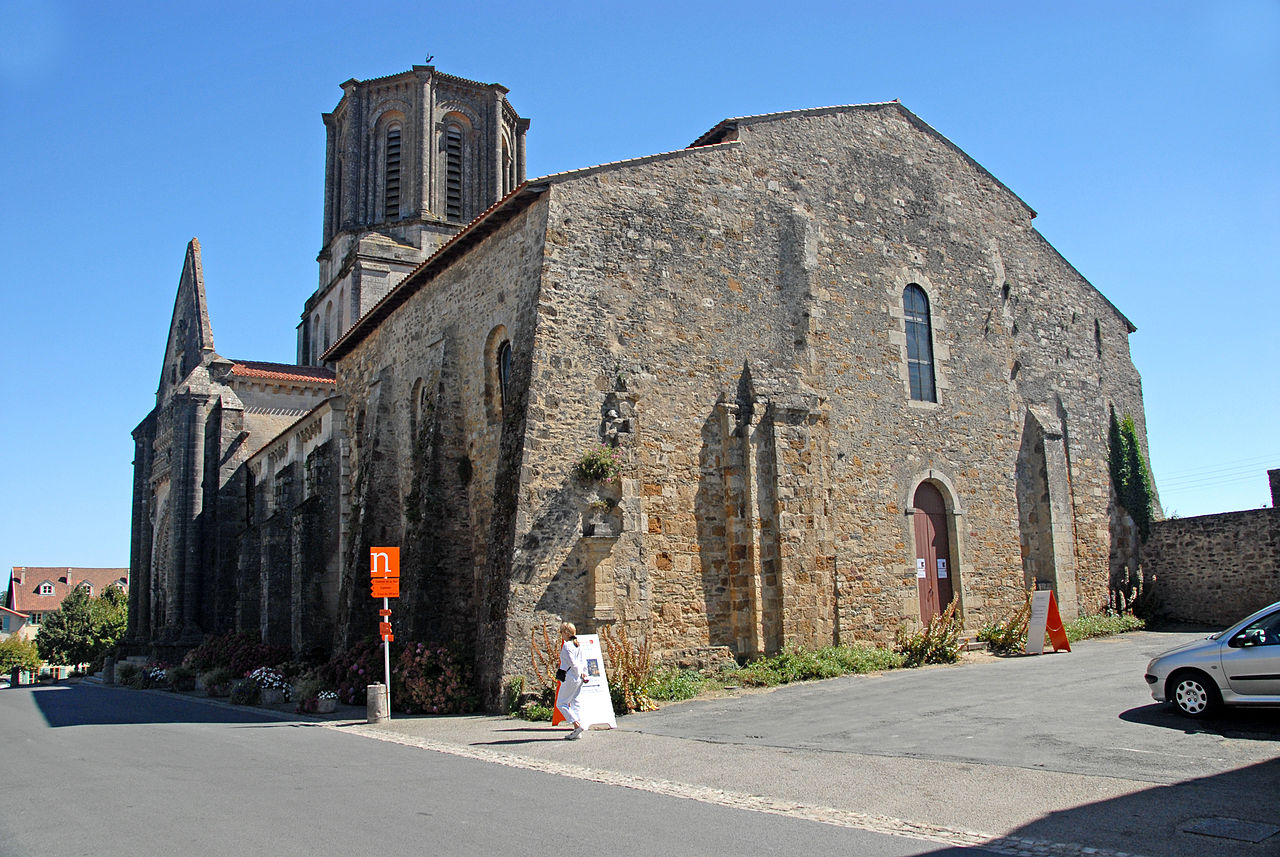
Vouvant retains visible traces of its medieval past: fragments of defensive walls, a prominent stone tower known locally as the Tour Mélusine associated with a regional legend, and the Romanesque-heritage church of Notre-Dame. These elements combine to give the village a distinct historic silhouette and to illustrate local building traditions and settlement patterns of earlier centuries.
Culture, economy and tourism
The local economy combines small-scale farming, artisanship and services geared to visitors. Vouvant has galleries, craft shops and seasonal markets; cultural programming often highlights music, heritage displays and guided walks. Its compact center makes the village accessible for short visits as well as a base for exploring the surrounding countryside.
Activities and visitor information
- Walking and forest trails through the Mervent–Vouvant woods.
- Visits to medieval remains and the parish church.
- Local fairs, artisan demonstrations and seasonal events.
Vouvant is also recognized for its picturesque qualities and is often listed among France’s most admired small villages. Its combination of surviving medieval fabric, natural surroundings and active community life makes it representative of the rural heritage of the Vendée and of interest to those studying regional architecture, folk traditions and countryside tourism.
Related articles
Author
AlegsaOnline.com Vouvant — medieval commune in Vendée, Pays de la Loire, France Leandro Alegsa
URL: https://en.alegsaonline.com/art/105956