
Volvo V40 — compact estate (1995–2004) and later name reuse
Compact estate produced by Volvo from 1995 to 2004; an estate version of the first‑generation S40, replaced by the V50. The V40 name was reused in 2012 for a different model.
Overview
The Volvo V40 was a compact estate (station wagon) produced by Volvo Cars. Introduced in 1995, it was the estate variant of the first‑generation S40 saloon and aimed at buyers seeking a practical small family car with the brand's emphasis on safety and comfort. Production continued until 2004, when Volvo reorganised its small‑car line-up.
Image gallery
10 Images





Design and characteristics
The V40 shared its basic platform and many mechanical components with the S40 but used an extended roofline and a tailgate to create a larger cargo area. It combined compact exterior dimensions suitable for urban use with flexible interior packaging for passengers and luggage. Typical features included multiple seating configurations, roof rails for carrying extra cargo, and Volvo's safety equipment of the period such as multiple airbags and reinforced passenger structures. Engine options were offered across petrol and diesel ranges to suit different markets and preferences.
Production history and market position
Built during the late 1990s and early 2000s, the V40 competed with other European compact estates by offering a balance of practicality and Volvo's reputation for robust safety. During its production run it received incremental updates to trim, options, and equipment rather than a wholesale redesign. In 2004 the model line was succeeded by the V50 as Volvo consolidated its compact car offerings; the V50 assumed the estate role for the then‑current S40 platform (S40 and V50).
Legacy and name reuse
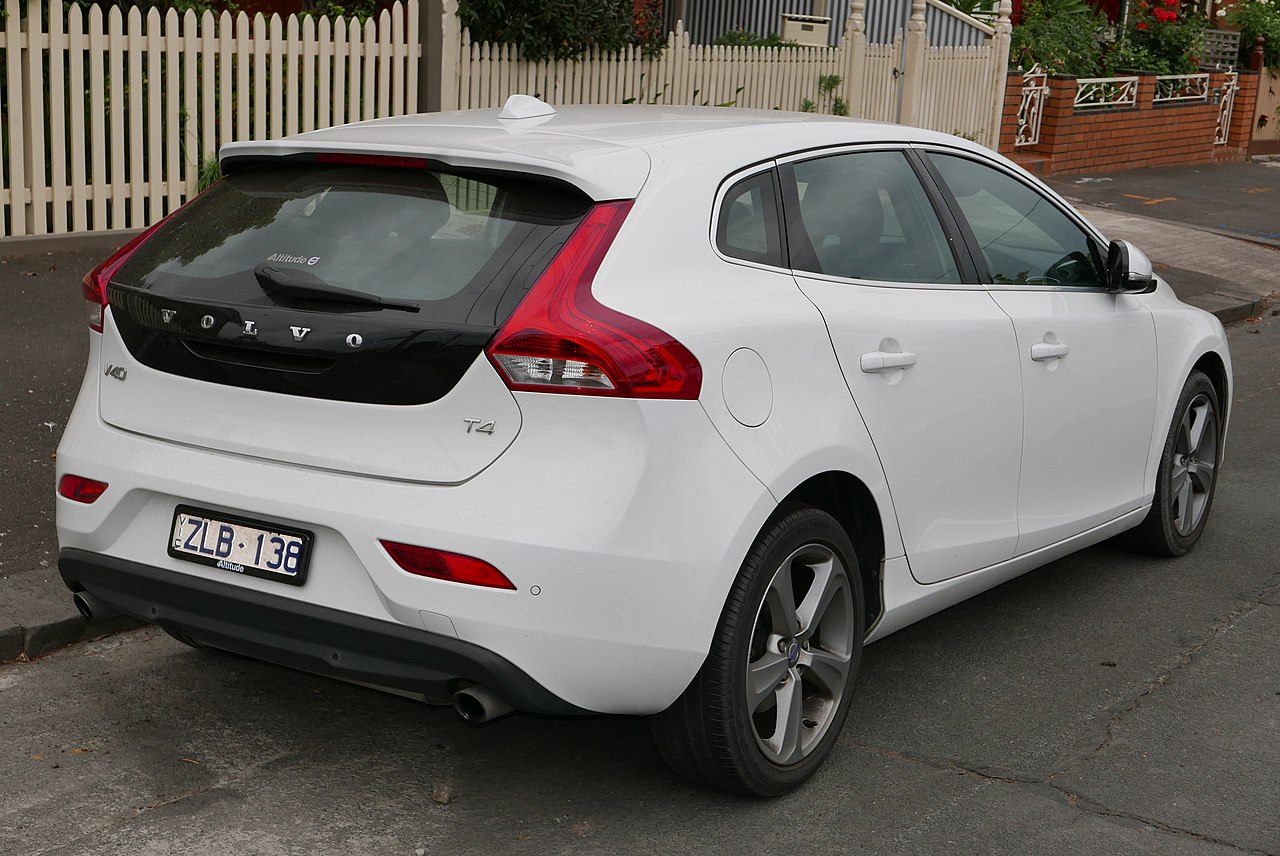
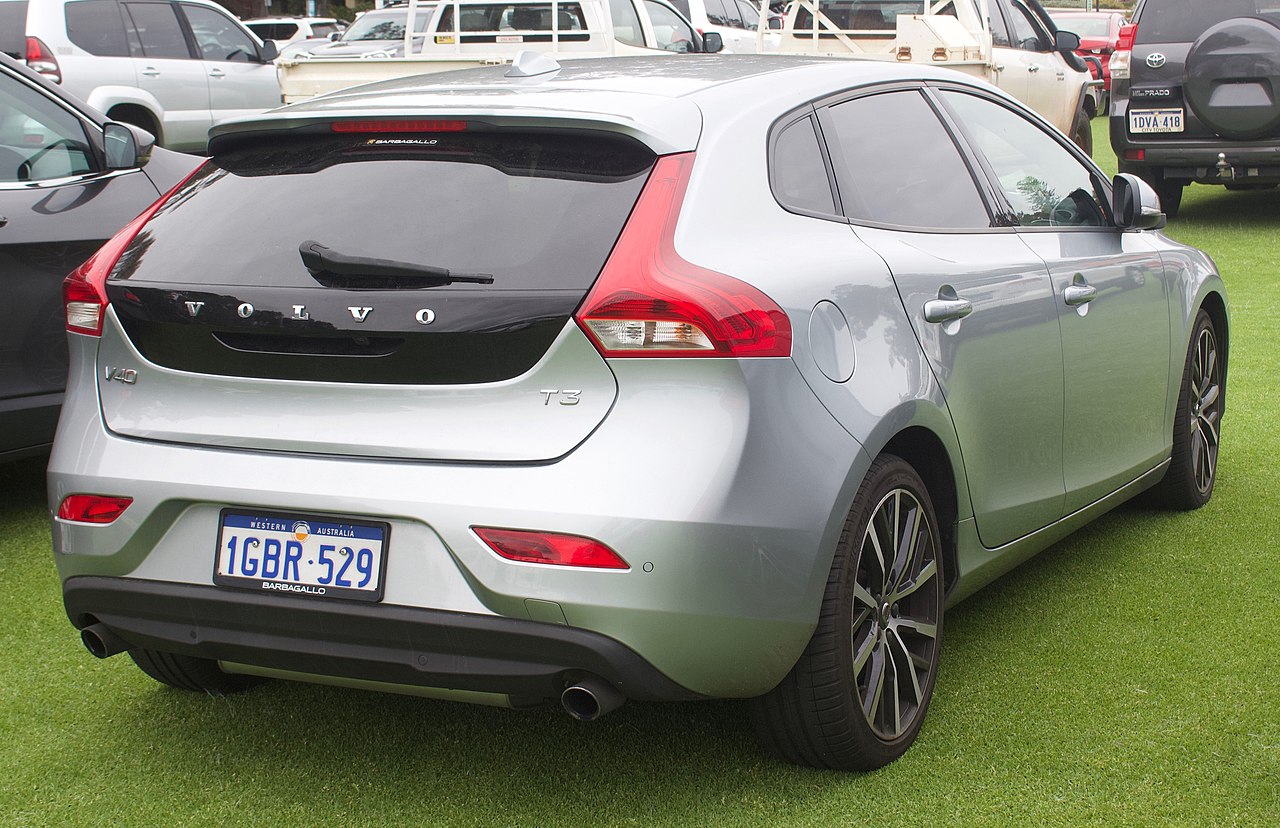
Although the original V40 ended production in 2004, the V40 name returned in 2012 applied to a completely new compact model. That later V40 was a modern hatchback designed around different engineering and market goals; aside from the name, the two cars are unrelated in architecture and appearance. The reuse of the name illustrates a common automotive practice of reviving familiar nameplates for new products.
Notable facts and uses
- The 1995–2004 V40 is remembered as a practical family estate with an emphasis on safety and useful cargo space for its class.
- It was commonly chosen by buyers who needed the carrying capacity of an estate without moving up to a larger model.
- The 2012 V40 revival targeted a different buyer and should not be confused with the original estate in discussions about parts, maintenance, or values.
Further reading
Related articles
Author
AlegsaOnline.com Volvo V40 — compact estate (1995–2004) and later name reuse Leandro Alegsa
URL: https://en.alegsaonline.com/art/105903