
Wagon (four-wheeled vehicle)
A wagon is a four-wheeled vehicle with a load bed or box, traditionally drawn by animals or people and adapted over centuries for agriculture, trade, migration and many modern uses.
A wagon is a four-wheeled vehicle with a flat or sided bed used to carry goods or people. Traditionally drawn by animals or pushed or pulled by people, wagons have been adapted over centuries for agricultural, commercial, military and domestic use. They range from simple hand‑pulled boxes to large draft‑animal freight wagons and later motorized adaptations and small utility trailers.
Image gallery
10 Images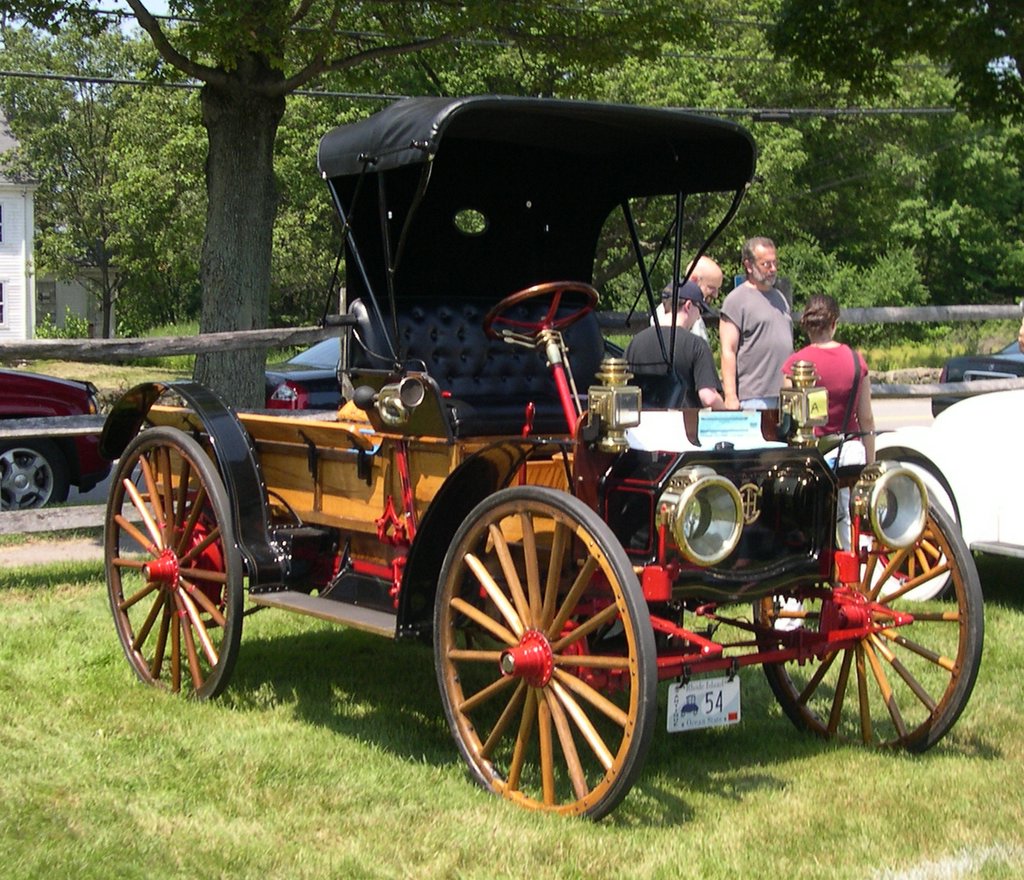


Design and components
Most wagons share basic components: a load bed or box mounted on a frame, two axles with four wheels, and a tongue or tow bar for connection to animals or a towing vehicle. Many wagons have a pivoting front axle or turntable assembly to permit steering. Sides, tailgates or removable boards secure loads. Historically, wheels were wooden with iron rims; later designs used metal wheels or rubber tyres. Some wagons incorporate springs, simple brakes, or reinforced frames to cope with heavy loads and rough ground.
Materials and construction
Historically, timber provided the main structure, with oak, elm or ash used for frames, spokes and bed planks. Iron or steel parts strengthened axles, hubs and tyre bands. Leather, rope or early metal springs were used for suspension. Regional variations reflect available materials and intended use: heavy freight wagons use robust joinery and thick planking, while passenger or light farm wagons use finer timber and lighter construction.
- Bed or box: supports cargo or seating
- Axles and wheels: transmit load to the ground and allow movement
- Tongue/hitch: links the wagon to animals or a towing vehicle
- Sides, covers or bows: protect and contain cargo or passengers
Propulsion and uses
Draft animals—oxen, horses, mules and donkeys—were the principal motive power in pre‑industrial societies. Human‑powered variants include handcarts and small two‑person wagons. Uses include transporting agricultural produce, construction materials, household goods and people, as well as specialized roles such as brewery drays, fire wagons, market carts and mine wagons. Wagons also figured in long migrations and trade routes, often organized into wagon trains for safety and logistics.
Historical development and regional types
Wagons developed after the invention of the wheel and axle and became common in many regions by the Bronze Age and later. Distinct types emerged to meet terrain and cultural needs: heavy freight wagons for overland trade, light farm wagons for fieldwork, covered migration wagons for long journeys, and low‑flat drays for heavy urban deliveries. Many cultures adapted wagon design to climate, road conditions and available draft animals.
Operation, maintenance and safety
Routine maintenance traditionally included greasing hubs or bearings, checking tyre bands, repairing or replacing planks and inspecting the tow assembly. Proper loading to balance weight over the axles and avoid overloading the tongue is important for safe handling. On steep or rough tracks, braking and the use of wheel chocks or hand brakes helped control descent.
Distinctions and legacy
The term "wagon" overlaps with related vehicles: a cart typically has two wheels, while a carriage emphasizes passenger comfort. In modern usage the word endures in compound names such as "station wagon" for an automobile body style and in regional English where freight cars are sometimes called wagons. As a simple and adaptable transport form, the wagon profoundly shaped agriculture, trade and migration for millennia and influenced later wheeled vehicle design.
Related articles
Author
AlegsaOnline.com Wagon (four-wheeled vehicle) Leandro Alegsa
URL: https://en.alegsaonline.com/art/106125
Sources
- merriam-webster.com : "Definition of WAGON"