
Walking: human locomotion, health benefits, technique and cultural roles
Walking is a fundamental mode of legged locomotion in humans and many animals; this article explains its mechanics, history, health benefits, varieties, technique and differences from running.
Walking is a common form of locomotion in which a person or animal moves forward using its legs in a sequence of steps. Unlike faster gaits, walking is defined by having at least one foot in contact with the ground at all times; it is generally slower and less forceful than running. People walk for travel, work, exercise, socializing and ritual activities, and walking remains the most widespread human movement worldwide.
Image gallery
10 Images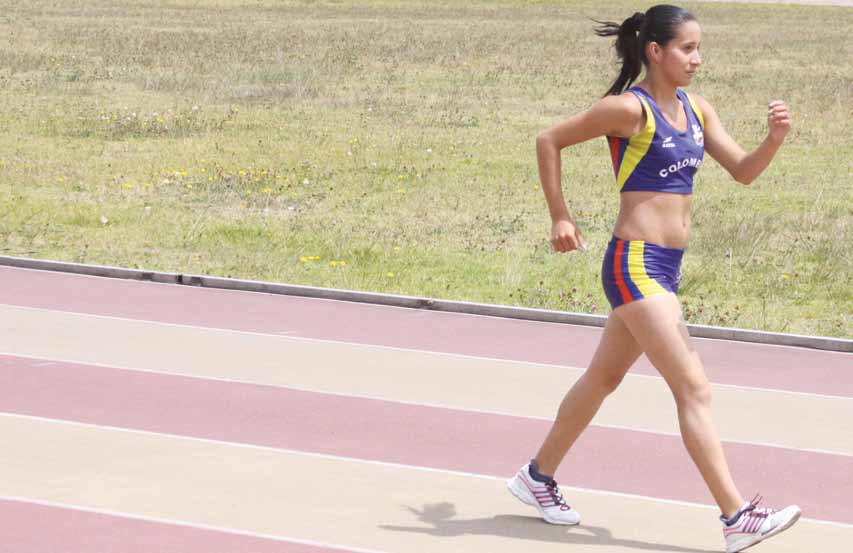





Characteristics and biomechanics
The cycle of walking is typically divided into two phases: the stance phase, when a foot bears weight on the ground, and the swing phase, when the foot moves forward. Human walking usually features alternating periods of single-leg support and brief double support, but it lacks a flight phase when both feet are off the ground. Efficient walking depends on coordinated muscle activity, joint motion in the hips, knees and ankles, and balance controlled by the nervous system.
- Gait cycle: repeated sequence of heel strike, mid-stance and toe-off for each leg.
- Energy use: walking is energy efficient at low speeds compared with running.
- Variations: strolling, brisk walking, power walking and marching differ by speed and posture.
History and development
Bipedal walking is a defining trait of humans and evolved in early hominins over millions of years, freeing the hands for tool use and carrying. Across cultures, walking has also shaped settlement patterns, trade routes and religious practices — from everyday commutes to long-distance pilgrimages and exploratory travel.
Health, fitness and practical uses
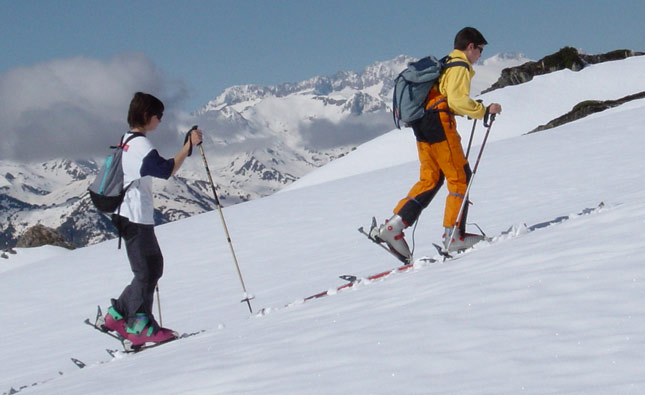
Walking is widely recommended as accessible aerobic activity. Regular brisk walking supports cardiovascular health, weight management, bone and joint function, and mental wellbeing. It is low-impact compared with higher-intensity sports, making it suitable for many ages and fitness levels. People use walking for transportation, recreation (hiking, nature walks), therapy and as part of workplace or urban design promoting active travel.
- Benefits: improved circulation, glucose control, mood and mobility.
- Practical tools: pedometers and walking groups encourage consistency.
Technique, safety and distinctions
Good walking technique emphasizes an upright posture, relaxed shoulders, natural arm swing and steady steps. Appropriate footwear and gradual progression help prevent injury. Distinct from running, walking maintains ground contact with one or both feet and typically produces lower impact forces. Different animals show diverse walking patterns — for example, quadrupeds use alternating limb pairs while many birds walk in short, rapid steps.
Whether used for short errands or long treks, walking remains a fundamental, low-cost activity that supports daily life, public health and cultural tradition.
Questions and answers
Q: What is walking?
A: Walking is the act of traveling on legs at a slower pace than running, where only one foot is off the ground at any time.
Q: What do we say if a person goes for a walk?
A: If a person goes out for a walk, we say that he or she 'went for a walk'.
Q: Is walking considered a healthy exercise?
A: Yes, walking at a brisk pace or for a longer duration is considered a healthy exercise.
Q: How is walking different from running?
A: Walking is slower than running, and only one foot is off the ground at any time. Running involves lifting both feet off the ground.
Q: What do you call the way animals travel on legs?
A: The way animals travel on legs is also called walking.
Q: Is walking a common way of transport for animals?
A: Yes, walking is the most common way of transport for land animals.
Q: Why is walking considered a healthy exercise?
A: Walking is considered a healthy exercise because it is a low-impact physical activity that helps improve cardiovascular health, strengthen bones and muscles, and reduce the risk of various health problems.
Related articles
Author
AlegsaOnline.com Walking: human locomotion, health benefits, technique and cultural roles Leandro Alegsa
URL: https://en.alegsaonline.com/art/106247
Sources
- commons.wikimedia.org : Walking
- ramblers.org.uk : Walking benefits
- walkengland.org.uk : Walk England