
Volkswagen Transporter: history, design, and uses of the Transporter van series
Overview of the Volkswagen Transporter range — its generations, rear-to-front engine change, body variants, cultural impact, and continuing role as a versatile commercial and passenger vehicle.
Overview
The Volkswagen Transporter is a family of light commercial vehicles and minibuses produced by Volkswagen since 1950. Known originally as the Type 2 and commonly called the Kombi, Bus or Transporter, it has served as a cargo van, passenger shuttle and camper platform. The line combines simple mechanical layout with flexible body options brands and model lines often tailored to commercial customers and leisure users alike.

Image gallery
10 Images




Design and characteristics
Early Transporters used an air-cooled flat engine mounted at the rear, which influenced interior packaging and driving feel. From the fourth major redesign the engine was relocated to the front and switched to water cooling, improving cabin comfort, noise control and compatibility with modern safety systems. Typical layouts include panel van, kombi (passenger and cargo mix), chassis-cab and camper conversions; wheelbase and roof height vary to suit payloads.
Generations and development
- T1: the original split-windshield Type 2 famous for its rounded face — a cultural icon of the 1950s–60s. Type 2 origins
- T2: larger, with a single-piece windshield and improved interior space.
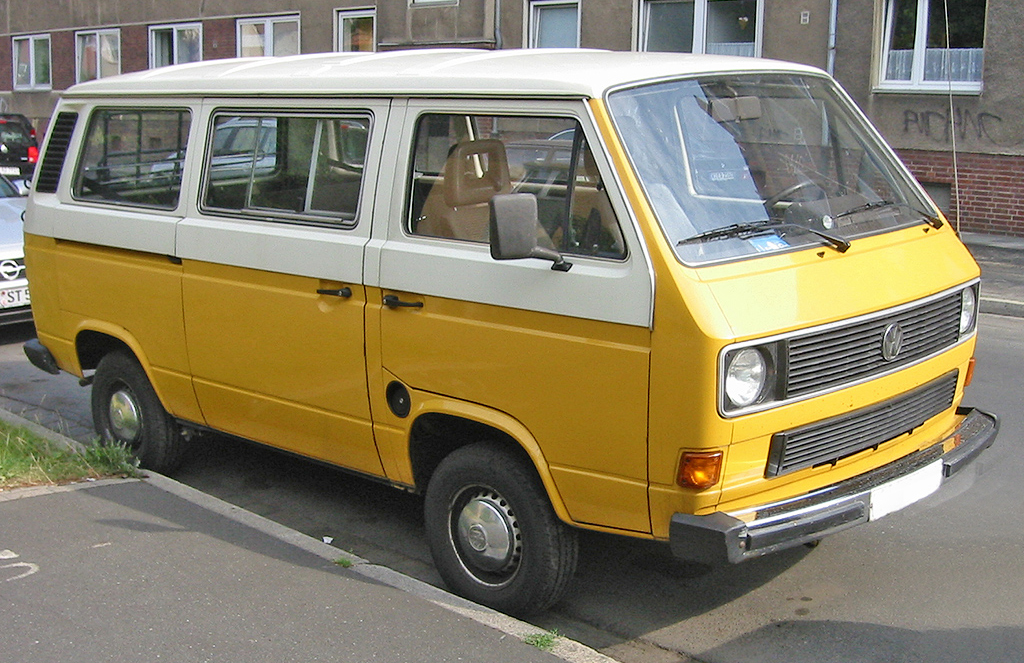
- T3: a more squared design that maximised load volume and offered more powerful engines.
- T4 and later: front-engined, water-cooled architecture that modernised the model and allowed contemporary safety and emission controls.


Uses, conversions and cultural role
The Transporter is widely used for freight delivery, passenger transport, recreational camping and specialised roles (ambulances, mobile workshops). Camper conversions, notably by independent coachbuilders, turned many vans into travel-ready campers with pop-up roofs, kitchen modules and sleeping berths — adaptations that made the model central to surf, road-trip and outdoor cultures. For more on popular camper conversions see camper conversion guides.

Modern relevance and distinctions
Today’s Transporter derivatives retain the vehicle's core virtues of space, modularity and ease of maintenance while incorporating modern electronics, safety systems and more efficient powertrains. Volkswagen offers related commercial vehicles and successor concepts in its broader range; for official specifications and current models consult the manufacturer's resources manufacturer pages. The Transporter's long production run and many variants make it a notable example of an enduring commercial platform.

Notable facts: the Transporter line is one of the automotive industry's longest-produced light utility ranges. Its evolution from rear-mounted air-cooled engines to front-mounted water-cooled layouts marks a significant technical shift that shaped its late-20th-century designs and capabilities.
Related articles
Author
AlegsaOnline.com Volkswagen Transporter: history, design, and uses of the Transporter van series Leandro Alegsa
URL: https://en.alegsaonline.com/art/105869