
Volvo B10BLE — low-entry single-deck bus chassis (1992–2002)
The Volvo B10BLE is a low-entry single-deck bus chassis built by Volvo between 1992 and 2002, designed for urban and suburban transit with a low front floor and rear-mounted diesel powerplant.
Overview: The Volvo B10BLE is a low-entry, single-deck bus chassis manufactured by Volvo from 1992 until 2002. It was developed for city and suburban services that required easier boarding and alighting for passengers, including those using wheelchairs or prams.
Image gallery
4 Images
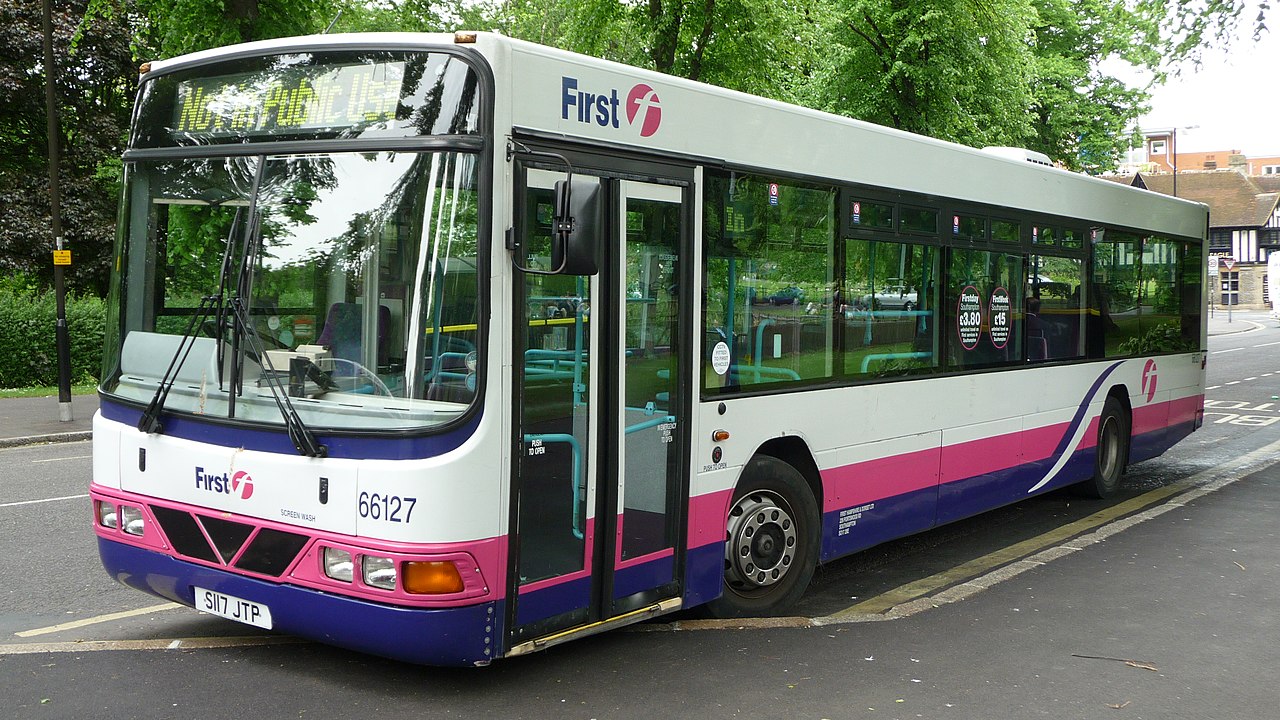


Design and features
The B10BLE is characterized by a low-floor entry at the front combined with a raised rear section above the drivetrain, a layout commonly described as "low-entry" rather than a full low-floor. The chassis normally carried a rear-mounted diesel engine and rear axle, which allowed the forward section to be used for standing room, priority seating and accessible door(s). Many bodybuilders supplied bodies on the B10BLE frame, producing a range of seating layouts and door arrangements.
Technical and variants
Volvo equipped the B10BLE with its heavy-duty inline-six diesel engines typically marketed as ten-litre class units and offered automatic transmission choices suitable for urban stop-start operation. The model was produced in different configurations to suit city routes, with adaptations for climate, emission regulations and local operator preferences. For detailed technical specifications consult the manufacturer's literature or operator manuals (manufacturer information).
History and operators
Introduced in the early 1990s, the B10BLE replaced higher-floor designs and helped operators meet growing accessibility expectations. It saw wide use across Europe, the United Kingdom, Scandinavia and other regions where Volvo supplied chassis, and it was commonly rebodied or updated during its service life. Production ended in 2002 as Volvo and the industry moved toward newer low-entry platforms such as the B7RLE and other successors (model history).
Uses, significance and legacy
- Primary role: urban and suburban transit, where quick boarding and wheelchair access are priorities.
- Common features: front low floor, rear steps to raised seating, wheelchair space, adaptable door configurations.
- Legacy: many B10BLEs remained in service for years after production ceased, and several were refurbished or resold on secondary markets; the platform influenced later low-entry Volvo designs (fleet information).
As a transitional design between traditional high-floor buses and later full low-floor models, the B10BLE occupies an important place in the development of accessible public transport during the 1990s and early 2000s.
Engines
| Motor type | Power | Max. Torque |
| THD103KF | 180 kW (245 PS) at 2000 min-1 | 1050 Nm at 1320 min-1 |
| THD103KB | 210 kW (286 PS) at 2000 min-1 | 1200 Nm at 1320 min-1 |
Related articles
Author
AlegsaOnline.com Volvo B10BLE — low-entry single-deck bus chassis (1992–2002) Leandro Alegsa
URL: https://en.alegsaonline.com/art/105898