
Volkswagen LT
The Volkswagen LT is a line of light commercial vehicles produced by Volkswagen from 1975 to 2006, sold as vans, minibuses and chassis cabs; the later model was closely related to the Mercedes-Benz Sprinter.
The Volkswagen LT is a family of light commercial vehicles—principally vans and buses—manufactured by Volkswagen. Introduced in 1975, the LT was developed to fill a market gap above smaller Transporter models and provide a robust platform for freight, passenger and specialist uses. Over three decades the nameplate was offered in many body styles and was used widely by trades, delivery operators and passenger services.
Image gallery
10 Images





Characteristics and variants
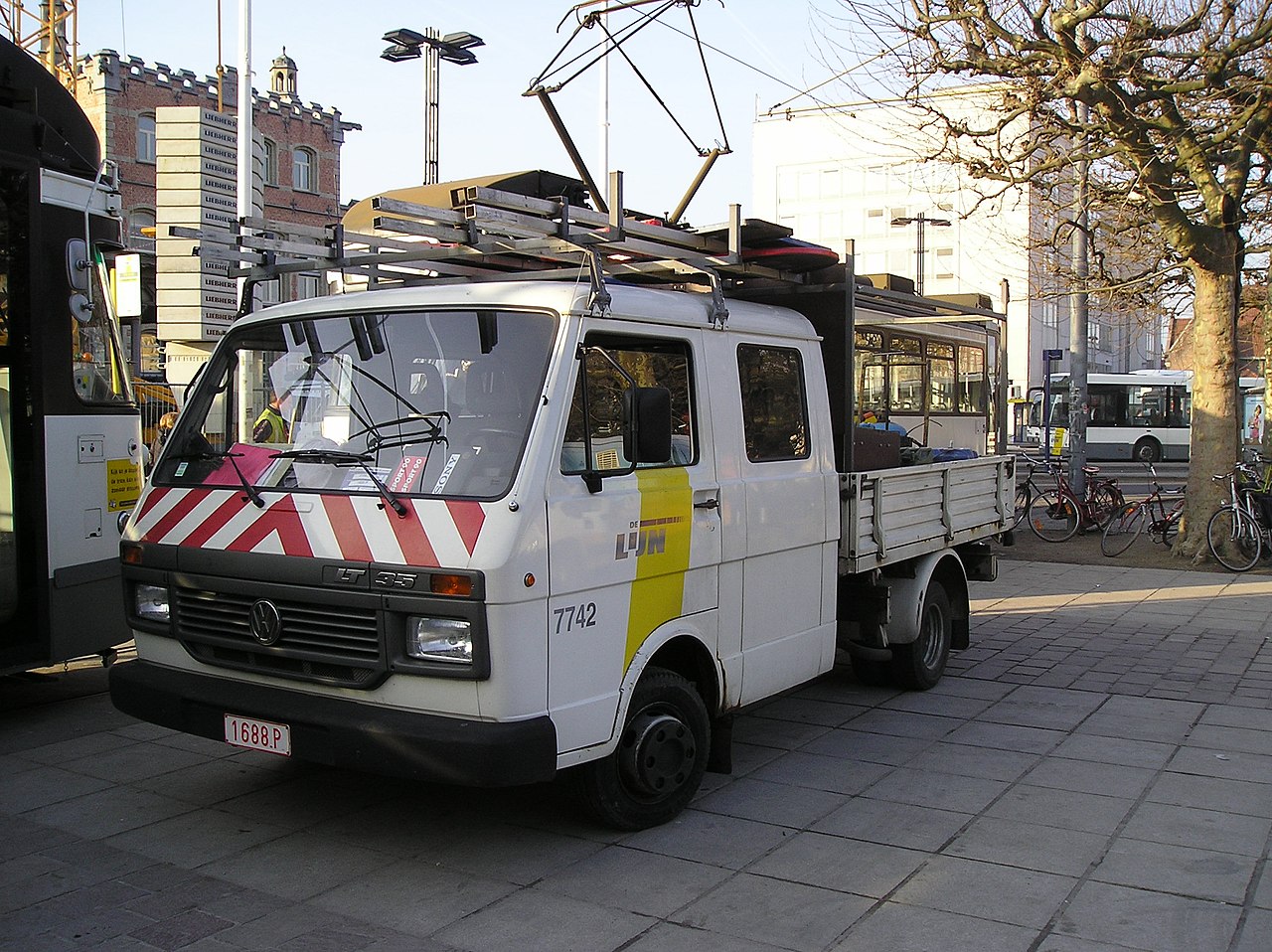
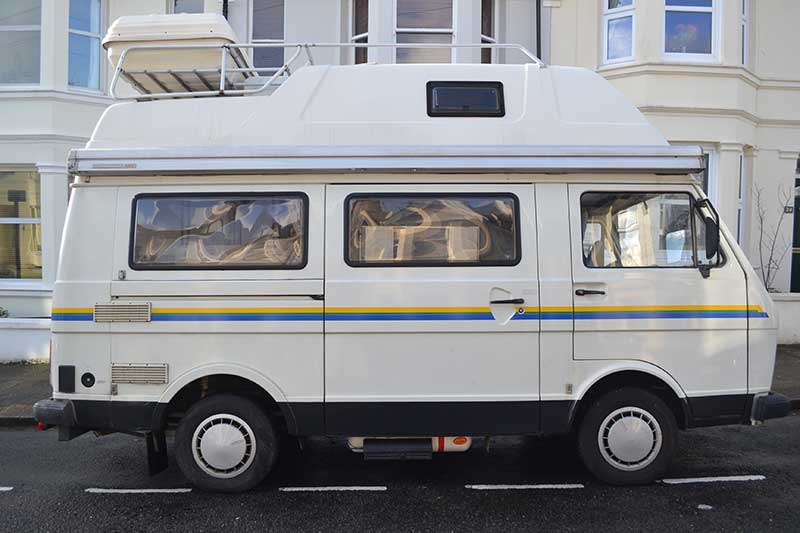
The LT was built to be a practical and adaptable light commercial vehicle. It was produced as panel vans, crew vans, minibuses, chassis cabs and as high-roof or long-wheelbase versions to suit different payload and body requirements. The chassis and body layouts favoured easy servicing and straightforward upgrades, which helped the LT become a common choice for conversions into campers, ambulances, box trucks and other specialist vehicles.
- Body forms included panel van, minibus, crew van, and chassis cab for custom bodies.
- Common uses: cargo delivery, passenger shuttle, trade vehicles, emergency services and recreational conversions.
- Variants often differed by wheelbase, roof height and gross vehicle weight rating to match market needs.
History and development
The LT was launched in the mid-1970s and established a reputation for durability and utility. The model line went through two principal generations. The original generation retained Volkswagen engineering practices of the era and was broadly praised for its simplicity and ease of maintenance. In the 1990s Volkswagen moved toward collaborative development practices; the second-generation LT introduced in the mid-1990s was closely related to the Mercedes-Benz Sprinter, reflecting wider industry trends of platform sharing to reduce costs and speed development.
Design and engineering
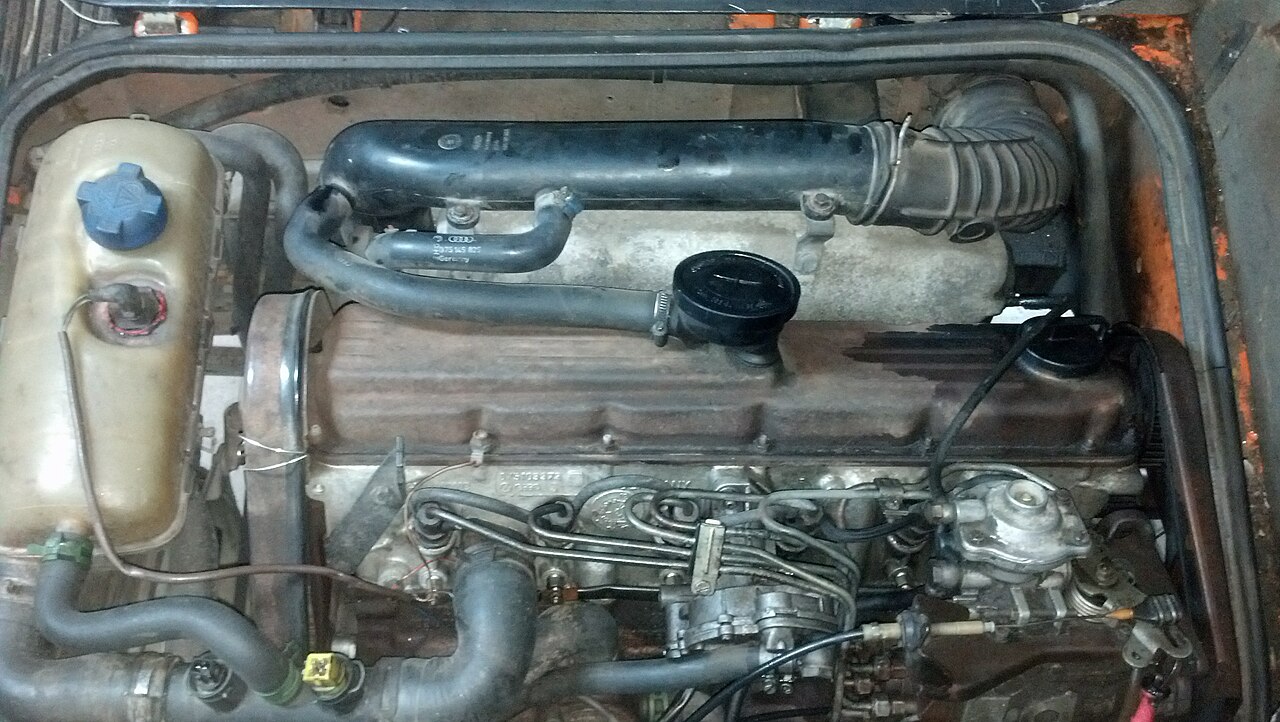
Across its production the LT employed conventional front-mounted engines and body-on-frame or ladder-frame based layouts suited to heavy use. Diesel engines were a common choice for commercial buyers because of their fuel economy and torque characteristics. The vehicle’s straightforward mechanical design made it easy to repair and adapt, which contributed to a long service life for many examples in commercial fleets and private conversion projects.
Production, markets and replacement
The LT was sold in many European markets and in export territories where a durable light commercial vehicle was needed. Production and exact specifications varied by year and market to meet local regulations and customer preferences. In 2006 the LT nameplate was phased out when Volkswagen introduced the Crafter, the successor model that continued the strategy of collaboration with other manufacturers; the LT had remained in production through 2006.
Legacy and cultural impact
The LT is remembered for its role as a versatile workhorse rather than as a prestige vehicle. First-generation models are often valued by enthusiasts and conversion specialists for their relative mechanical simplicity and robustness. Later-generation vehicles are noted for their improved comfort and for representing a period in which platform sharing became common in the commercial vehicle sector. Today many LTs remain in use or have been converted into campers and specialist vehicles.
For further reading on specific body types, historical model changes and technical specifications consult manufacturer histories and specialized commercial vehicle references such as overviews of van families, bus variants and the Volkswagen corporate archive at Volkswagen. Additional context on the mid-1990s collaboration between manufacturers is available in histories of the Sprinter and in sources describing the transition to the Crafter era introduced around 2006.
Related articles
Author
AlegsaOnline.com Volkswagen LT Leandro Alegsa
URL: https://en.alegsaonline.com/art/105860