
Vizier: senior ministerial office in Muslim polities
Vizier (wazir) is a senior political advisor and minister in Muslim states, historically serving rulers such as caliphs and sultans; roles ranged from chief administrator to military and fiscal head.
Vizier (Arabic: wazīr) is the traditional title for a high-ranking government official in many Muslim-ruled states. Serving as a principal adviser, administrator or minister, a vizier could act as the ruler’s chief executive, supervise revenue and justice, or coordinate military and diplomatic affairs. The office and its influence varied widely with time and place.
Image gallery
5 Images


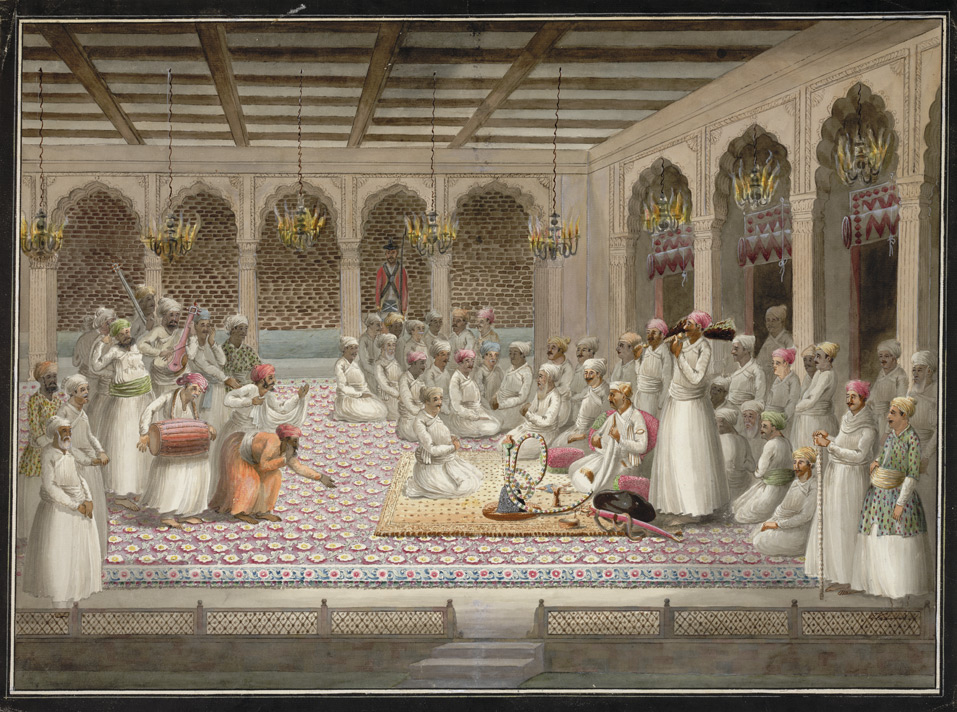
Role and duties
A vizier often combined political, fiscal and judicial responsibilities. Typical functions included managing the bureaucracy, overseeing tax collection, advising on policy, drafting decrees and sometimes commanding armies. Some viziers were primarily bureaucratic technocrats; others exercised near-sovereign power when their sovereign was weak.
Historical development
The title appears across many dynasties and regions: early Islamic caliphates, regional emirates, the Ottoman Empire, Persianate courts and South Asian sultanates and empires. In the Ottoman state the leading minister was known as the Grand Vizier and headed the imperial council. Under strong monarchs the vizier remained a trusted deputy; in fragmented periods the office could become the locus of political rivalry.
Examples, distinctions and legacy
- Origins: the Arabic word conveys the sense of a helper or burden-bearer for the ruler.
- Variants: spellings include vizier and wazir; ranks and titles varied by court.
- Modern legacy: the term survives in historical study and in some languages as a metaphor for a powerful minister.
Rulers who appointed viziers ranged from a caliph to a sultan. The office illustrates how pre-modern states balanced personal rule with institutional administration and remains an important concept for understanding governance across Islamic history.
Related articles
Author
AlegsaOnline.com Vizier: senior ministerial office in Muslim polities Leandro Alegsa
URL: https://en.alegsaonline.com/art/105711
Sources
- etymonline.com : Etymology OnLine
- 4dw.net : Royal Ark, dynasties in historical context - see each muslim nation quoted in this article, often in the section 'Glossary'
- worldstatesmen.org : WorldStatesmen - click on each Islamic present state