
Violin Concerto (Alban Berg, 1935)
Alban Berg's Violin Concerto (1935) fuses twelve-tone technique with lyrical Romantic expression. Dedicated "To the Memory of an Angel," it is among the twentieth century's best-known violin concertos.
Overview
Alban Berg's Violin Concerto stands as a landmark work that brought the expressive intensity of late Romanticism into dialogue with modern compositional methods. Composed in 1935, the piece is frequently cited as one of the most important concertos for the violin from the 20th century. Its blend of emotional directness and structural rigor has made it a favorite with performers and audiences alike.
Image gallery
4 Images
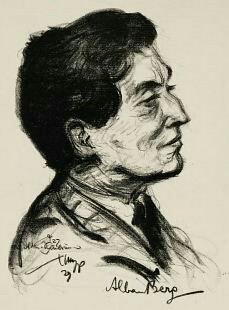


Structure and musical language
The concerto unfolds as a compact, continuous span of music rather than a long classical three-movement format. Berg uses elements of the twelve-tone method without abandoning tonal references; he deliberately inserts familiar harmonic gestures and a quotation from a Lutheran chorale to create striking moments of consonance within a serial framework. The solo part alternates between intensely virtuosic passages and lyrical, songlike lines, demanding both technical control and deep expressive flexibility from the soloist.
History and dedication
The work was written in 1935 and completed for the American violinist who helped bring it into the repertory. Berg inscribed the score "To the Memory of an Angel" in tribute to a young woman whose untimely death profoundly affected him and his circle. The concerto's elegiac character and intimate gestures reflect that personal dedication while engaging broader musical traditions.
Performance, reception, and importance
Since its early performances the concerto has become one of Berg's most frequently performed pieces and a staple of the violin repertory. It typically lasts around twenty minutes and is prized for its concentrated emotional impact. Violinists often highlight the work's combination of dazzling technique and chamber-like intimacy when programming it.
- Composer: Alban Berg
- Year written: 1935
- Form and language: fusion of twelve-tone procedure and tonal quotation
- Reputation: a central 20th-century violin concerto; often studied and recorded
For further introductory reading and recordings, consult specialized musical dictionaries and modern editions that discuss the concerto's sources, premieres, and interpretive issues. Many performers and scholars continue to explore its blend of modern technique and heartfelt lyricism.
Related articles
Author
AlegsaOnline.com Violin Concerto (Alban Berg, 1935) Leandro Alegsa
URL: https://en.alegsaonline.com/art/105476