
Wallet (physical and cryptocurrency)
Overview of physical wallets—designs, materials, regional differences and uses—and an introduction to cryptocurrency wallets, their types, keys and security considerations.
Overview
A wallet is a compact container designed to hold money, cards and small documents. Historically made to carry coins and banknotes, modern wallets accommodate credit and debit cards, identification, receipts and sometimes small personal items. They appear in many forms—from simple folded leather cases to technical devices used for managing digital currency.
Image gallery
10 Images


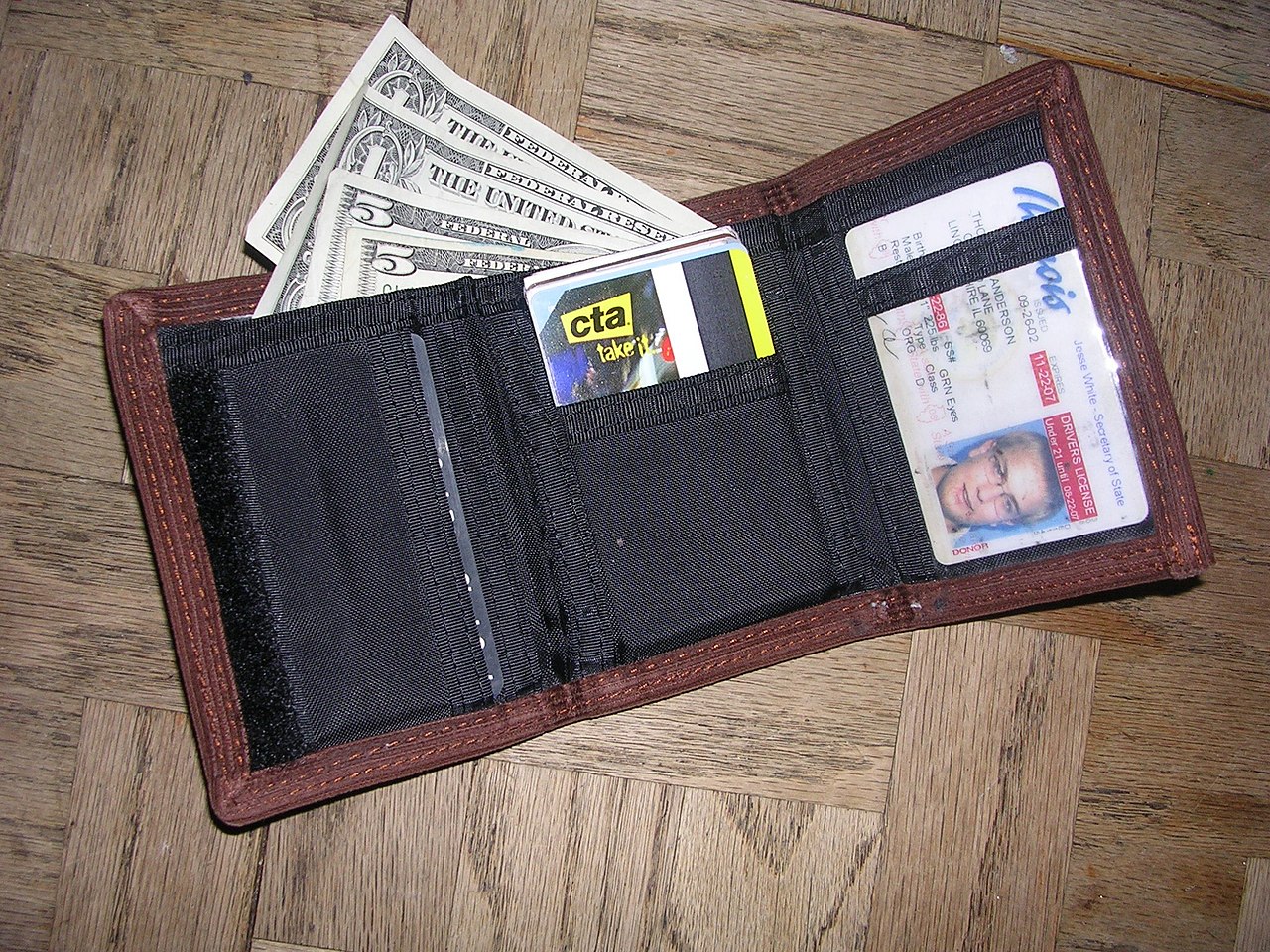


Physical wallets: materials, parts and common styles
Traditional wallets are commonly produced from leather, canvas or synthetic fabrics and often feature separate compartments for bills, cards and coins. Typical components include card slots, billfold pockets, a coin compartment with a snap or zipper, and a transparent ID window. Designs vary to balance capacity, thickness and security.
- Bifold: Folds once and is the most common style.
- Trifold: Folds twice offering more storage but greater bulk.
- Cardholder: Slim option for carrying a few cards and minimal cash.
- Money clip & minimalist: For compact cash carriage or single-note use.
Regional differences and practical notes
Wallet designs reflect monetary systems. Many European wallets include a separate coin purse because circulating coins are larger and more frequently used. Banknote dimensions also influence wallet size: currency standards such as banknotes in some regions tend to be larger than others, so notes like the Euro or Pound may not lie flat in wallets sized for smaller notes. Everyday carrying habits differ too: men often carry wallets in pockets while women may store them in larger bags or purses.
History and cultural role
Wallets evolved from pouches used in antiquity to hold coins and small valuables. Over time they became fashion accessories and status symbols as well as practical items. Collectors and designers have produced wallets that showcase craftsmanship, brand identity and specialized functions, such as travel wallets with passport pockets.
Cryptocurrency wallets: keys, types and security
A cryptocurrency wallet is not a physical purse for coins but a tool that stores cryptographic keys: a private key (used to sign transactions) and a public address (used to receive funds). Wallet software or hardware manages these keys and interacts with blockchain networks. Wallets may provide encryption, backup seed phrases and transaction signing features.
- Hardware wallets: Physical devices that keep keys offline for stronger protection.
- Software wallets: Desktop or mobile applications that store keys on a device.
- Web wallets: Hosted services accessible through browsers.
- Paper wallets: Offline prints of keys or seed phrases for cold storage.
Security considerations are central for cryptocurrency wallets: safeguarding private keys, creating encrypted backups and keeping seed phrases offline reduce risk. For physical wallets, modern features include RFID-blocking linings to protect contactless cards and slim designs to discourage theft.
Choosing and caring for a wallet
Select a wallet by intended use: daily minimal carry, travel, or fashionable display. Look for durable materials and thoughtful organization. Maintain leather items by keeping them dry and conditioned; replace worn wallets to avoid accidental disclosure of contents. Whether physical or digital, the best wallet balances convenience, security and longevity.
Questions and answers
Q: What is a wallet?
A: A wallet is a small flat container that people use to hold cash, credit cards, identification cards, etc.
Q: Where do men usually keep their wallets?
A: Men usually keep their wallets in their pockets.
Q: Where do women usually keep their wallets?
A: Women usually keep their wallets in larger bags called purses.
Q: What is a cryptocurrency wallet?
A: A cryptocurrency wallet is a device, program, or service that stores public and/or private keys for cryptocurrency transactions.
Q: What does a cryptocurrency wallet offer besides storing keys?
A: A cryptocurrency wallet most often offers encryption and/or the use of a digital signature.
Q: What is a combination of a private key and a public address called in a crypto wallet?
A: A combination of a private key and a public address is called a crypto wallet.
Q: What are the options for crypto wallets?
A: The options for crypto wallets are hardware, desktop, paper, mobile, and web wallets.
Related articles
Author
AlegsaOnline.com Wallet (physical and cryptocurrency) Leandro Alegsa
URL: https://en.alegsaonline.com/art/106292