
Vinoba Bhave
Indian social reformer, teacher and Gandhian activist (1895–1982) best known for the Bhoodan land-gift movement, advocacy of nonviolence and Sarvodaya ideals; posthumous Bharat Ratna recipient.
Overview
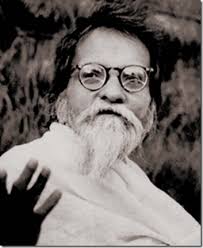
Vinoba Bhave (1895–1982) was an Indian teacher, social reformer and leading advocate of Gandhian principles. Often addressed as "Acharya" (teacher), he became prominent for promoting nonviolence, simple living and a moral approach to social change. A close disciple of Mahatma Gandhi, Bhave combined spiritual study with grassroots activism, seeking voluntary, ethical solutions to poverty and inequality rather than partisan politics. For a concise biographical outline see biographical note.
Image gallery
5 Images


Philosophy and influences
Bhave drew on several strands of Indian religious and ethical thought: the Bhagavad Gita, the principle of ahimsa (nonviolence), and the Sarvodaya idea of welfare for all. His upbringing also shaped his outlook: family teachings stressed spiritual purity, disciplined practice and faith. He emphasized self-restraint, moral leadership and education through example. His approach to social reform favored persuasion and moral suasion; he believed social change should arise from individual conscience and voluntary generosity rather than coercion. Readers can explore his intellectual links to Gandhi and contemporary thought at influences and context and Gandhian connections.
Bhoodan, Gramdan and methods
Vinoba Bhave is best known for the Bhoodan (land-gift) movement he launched in 1951. Traveling on foot across rural India, he appealed to landowners to donate a portion of their land to landless families. This tactic relied on moral appeal and voluntary transfer rather than legislation. Gramdan, a related idea, encouraged entire villages to place land in collective trusteeship to ensure equitable use. Bhave’s work combined long walking tours, public talks and personal meetings; these methods emphasized listening, moral argument and community-level organization. Detailed accounts of the movement’s origins and early campaigns are available in many studies and can be introduced via movement summaries.
Writings, translations and public life
Alongside activism, Bhave wrote and taught on religious and social themes. He produced translations and commentaries intended to make spiritual texts accessible to lay audiences; one well-known effort was his translation of the Bhagavad Gita into Marathi, often referred to by his readers as Geetai. He maintained that spiritual practice and constructive social work must go together, encouraging self-reliance, village-level industry and education. For discussions of his written work and pedagogical style see writings and teachings.
Legacy and notable facts
Vinoba Bhave influenced land reform debates and inspired many volunteers and organizations committed to rural uplift. He avoided formal political office and preferred moral leadership and community mobilization. His method—petitioning conscience rather than forcing change—remains a subject of study and debate among scholars of social movements. After his death in 1982, he was honored posthumously by India's government, receiving one of the nation's highest civilian awards; more on honors and remembrances can be found at honors and legacy.
- Key terms: Bhoodan (land gift), Gramdan (village gift), Sarvodaya (welfare for all), ahimsa (nonviolence).
- Primary method: walking tours and personal persuasion rather than legislative action.
- Enduring interest: intersection of spiritual discipline and pragmatic social reform.
Related articles
Author
AlegsaOnline.com Vinoba Bhave Leandro Alegsa
URL: https://en.alegsaonline.com/art/105439