
Violette Szabo — SOE agent and Second World War heroine
Profile of Violette Szabo (1921–c.1945), a bilingual British–French Special Operations Executive agent, her missions in occupied France, capture, death, and posthumous honours and legacy.
Overview
Violette Reine Elizabeth Szabo (née Bushell; 26 June 1921 – c. 5 February 1945) was a bilingual British–French secret agent who served with the United Kingdom's wartime Special Operations Executive. Trained to support and co-ordinate resistance activity behind German lines, she parachuted into occupied France on two missions and is remembered for her courage, sacrifice and posthumous decorations.
Image gallery
5 Images


Early life and family
Born to a British father and a French mother, Szabo grew up with both languages and a mixed cultural background that later proved valuable for clandestine work. She married a Frenchman and became a widow while still young; she was also a mother. Her experience and determination led her to volunteer for irregular service when the Second World War made covert support for resistance networks a high priority.
Role in the Special Operations Executive
Szabo trained as an agent for the Special Operations Executive, the organization formed to carry out espionage, sabotage and reconnaissance in occupied Europe. During her service she was parachuted into France twice to link with local resistance groups, deliver supplies and transmit intelligence. These missions required navigation, radio operation, improvisation and the ability to operate under enemy surveillance and threat from the occupying forces such as the Wehrmacht. For information on the organization see Special Operations Executive.
Capture, imprisonment and death
On her second mission she was captured by German forces. She was questioned and interrogated before being deported to a concentration camp in Germany. Her incarceration included forced labour under severe conditions. Szabo died in captivity near the end of the war; sources place her death around 5 February 1945. Details of her time in custody and subsequent fate are preserved in wartime records and survivor testimony. For accounts relating to her interrogation and imprisonment see interrogation records and the camp entry Ravensbrück.
Awards, remembrance and cultural legacy
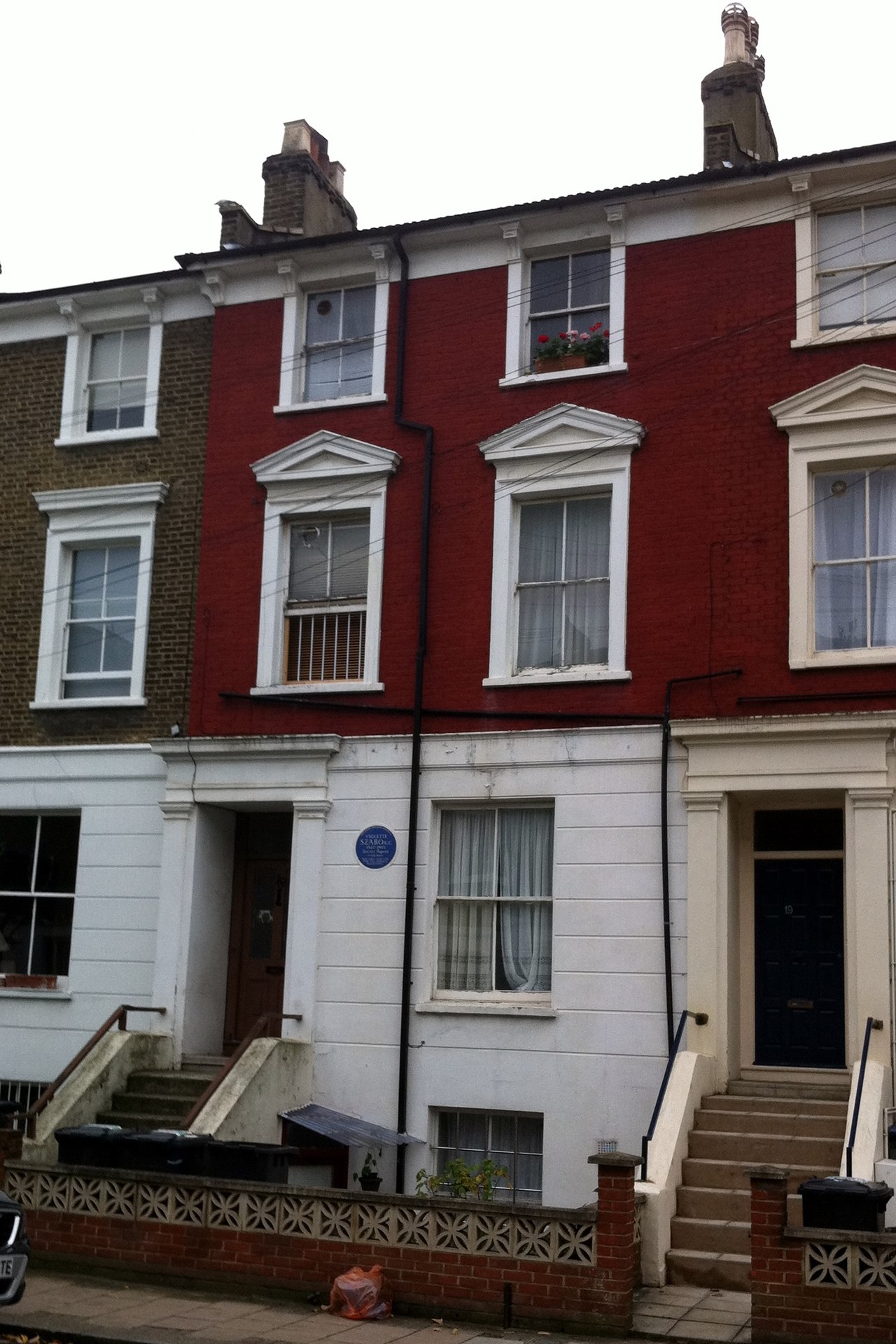
Szabo was honoured after the war for her bravery and sacrifice. Her official decorations include the United Kingdom’s George Cross and French distinctions such as the Croix de Guerre and the Médaille de la Résistance. She is commemorated in both Britain and France by memorials, plaques and entries in lists that record the names of those who served in clandestine roles. Her story has also been the subject of biographies and a feature film, which helped keep her memory alive for later generations.
Notable facts and distinctions
- Her bilingual upbringing and personal ties to France were important factors in her selection and effectiveness as an agent; biographical notes often highlight her mixed British–French parentage (family link).
- Although Szabo’s operational life was short, it exemplifies the risks taken by SOE agents and local resistance members in occupied Europe; for more background see general SOE histories (SOE overview).
- Her wartime service and posthumous awards continue to be cited in discussions of civilian courage and the role of women in irregular warfare; contemporary sources and commemorations provide further details (context on opposing forces).
For further reading and archival materials consult specialized biographies and public records; archived citations and citations of award documents offer primary-source detail (George Cross citation, camp records, interrogation summaries). Additional resources and memorial listings can be found through national remembrance organisations and museum collections (French honours, family history notes).
Questions and answers
Q: Who was Violette Szabo?
A: Violette Szabo was a French/British agent during the Second World War.
Q: What was her role during the war?
A: Her role was known as Special Operations Executive (SOE).
Q: How many times was she parachuted into France?
A: She was twice parachuted into France to help the French resistance activity against German forces.
Q: What happened to her during her second mission?
A: During her second mission, Szabo was caught by the Germans and sent to Ravensbrück concentration camp in Germany.
Q: How was she treated in Ravensbrück?
A: She was treated harshly and had to perform hard work in freezing cold conditions with few clothes.
Q: Was she awarded any medals after her death?
A: Yes, after her death, she was awarded the George Cross, the Croix de Guerre and the Medaille de la Resistance.
Q: What was Szabo's background?
A: Szabo's father was British, and her mother was French.
Related articles
Author
AlegsaOnline.com Violette Szabo — SOE agent and Second World War heroine Leandro Alegsa
URL: https://en.alegsaonline.com/art/105474
Sources
- marionhebblethwaite.co.uk : "George Cross facts"