
Vieille-Église
Vieille-Église is a rural commune in the Pas-de-Calais department of northern France, historically part of Nord-Pas-de-Calais and noted for its flat coastal landscape and local agricultural heritage.
Overview
Vieille-Église is a small French commune located in the Pas-de-Calais department of northern France. It lies within the area formerly known as Nord-Pas-de-Calais, today administratively part of the larger Hauts-de-France region. The locality exemplifies many rural settlements of this part of the country, combining agricultural land, village streets and a central parish church.
Image gallery
1 Image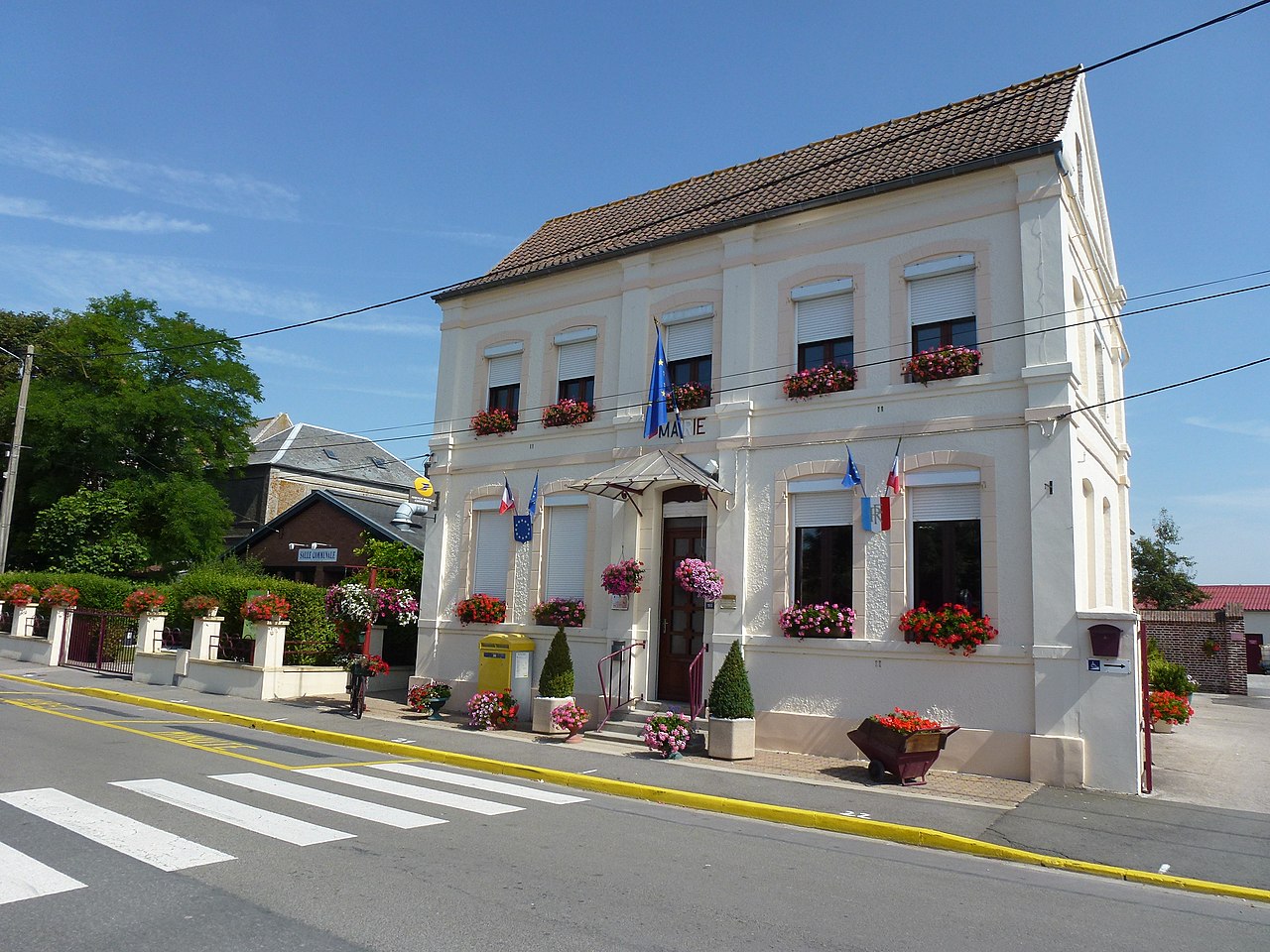
Geography and environment
Set on the low-lying plain near the English Channel, Vieille-Église benefits from flat soils and a temperate maritime climate. Its landscape is characterized by cultivated fields, hedgerows and drainage channels common to the coastal zone of Nord-Pas-de-Calais. Proximity to larger towns and ports on the coast influences transport links and local services.
History and name
The name Vieille-Église literally means "old church" in French, a toponym found in several places where a historic parish church once defined the settlement. The village developed over centuries in the borderlands between French and Flemish cultural areas, with traces of that heritage visible in architecture and place names. Historical events affecting the region, including medieval trade and more recent conflicts, have shaped its built environment and communal memory.
Administration and local life
As a commune within the Pas-de-Calais department, Vieille-Église is governed by a mayor and municipal council responsible for local services, planning and community events. Like many small communes, it maintains a primary school, a town hall and memorials that mark local history and communal identity.
Economy and points of interest
The economy is largely agricultural, supplemented by small businesses and commuters who work in nearby urban centers. Visitors often note the traditional village church, rural walks and the regional landscape. For practical information and administrative services residents and visitors consult departmental and regional resources such as the Pas-de-Calais authorities and regional tourist guides (department resources, regional guides).
- Distinctive trait: name referencing an older church structure.
- Typical activities: farming, local commerce, community events.
Related articles
Author
AlegsaOnline.com Vieille-Église Leandro Alegsa
URL: https://en.alegsaonline.com/art/105051