
Vibraye — commune in Sarthe, Pays de la Loire
Vibraye is a small French commune in the Sarthe department of the Pays de la Loire region. This article summarizes its location, administration, features, history, and local life.
Vibraye is a commune in north‑western France. As a French commune, it forms the lowest level of territorial administration and civic organization. Vibraye lies in the western part of the country within the historic and administrative area known as Pays de la Loire, a larger region that groups several departments for regional governance and planning.
Image gallery
1 Image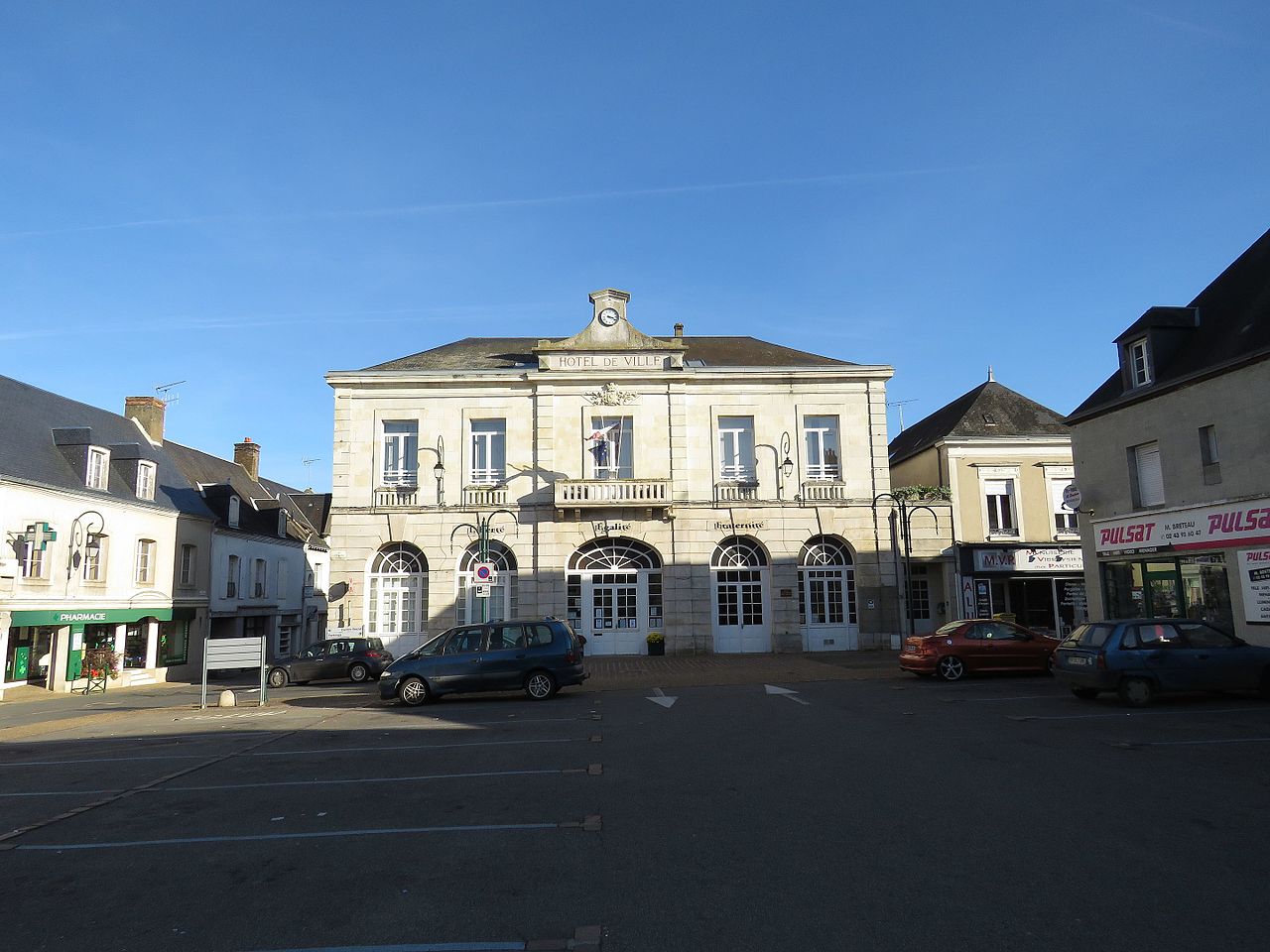
Location and administration
Vibraye belongs to the Sarthe department, one of the departments that make up the region. Departments handle local services such as education, roads and social aid, while communes manage day‑to‑day municipal affairs. Like other communes, Vibraye is governed by a mayor and a municipal council elected by residents, and it participates in intercommunal cooperation with neighboring communes to share resources and services.
Geography and character
The commune sits in a rural setting typical of the area: a mixture of farmland, small woodlands and village settlement. The surrounding landscape supports agriculture and small businesses. Local architecture often reflects regional styles with parish churches, village halls and traditional houses forming the core of community life.
History, economy and culture
Vibraye's roots reach back through centuries of rural French history; while specific events vary, the commune shares the historical patterns of settlement, agriculture and local trade common to Sarthe. Today the local economy combines farming, artisanal enterprises and services. Cultural life centers on communal events, local associations and heritage sites maintained by residents.
Transport and services
Transport links are typical for a small commune: local roads connect to larger departmental routes and regional centers. Public amenities include municipal facilities, schools or shared services provided through intercommunal structures. Visitors and researchers can consult departmental resources for precise practical information.
For general context on French local government and regional planning see the related pages on department organization and regional structures such as Pays de la Loire. Additional local information is available through municipal contacts and regional archives.
Related articles
Author
AlegsaOnline.com Vibraye — commune in Sarthe, Pays de la Loire Leandro Alegsa
URL: https://en.alegsaonline.com/art/104872