
Vichy (France) — spa town, thermal waters and 20th‑century history
Vichy is a commune in central France, known for its thermal springs, Belle Époque architecture and role as the seat of the French State (Vichy regime) during World War II. Located on the Allier river in Auvergne.
Overview
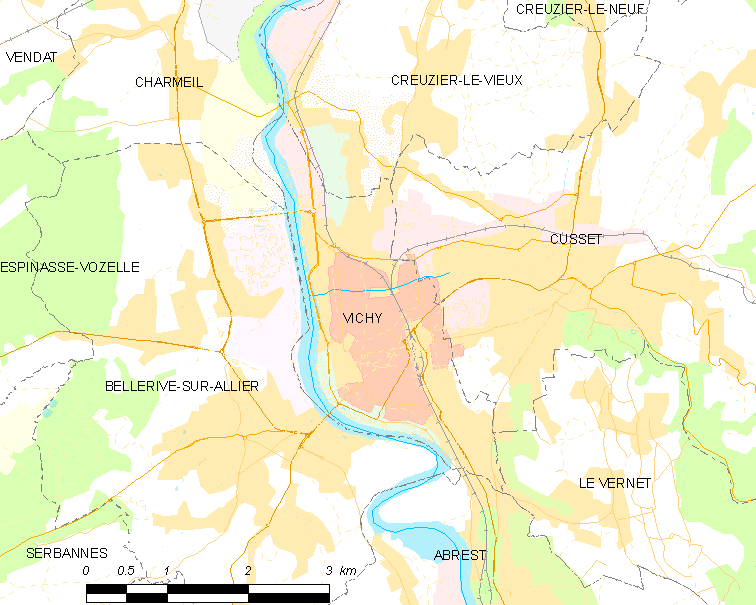
Vichy (Occitan: Vichèi) is a commune in central France situated on the Allier river. Administratively it belongs to the Auvergne-Rhône-Alpes region and is one of the larger towns in the Allier department, second in population after Montluçon. The town lies within the historic Bourbonnais area, whose rural landscape and cultural traditions still influence the locality.
Image gallery
10 Images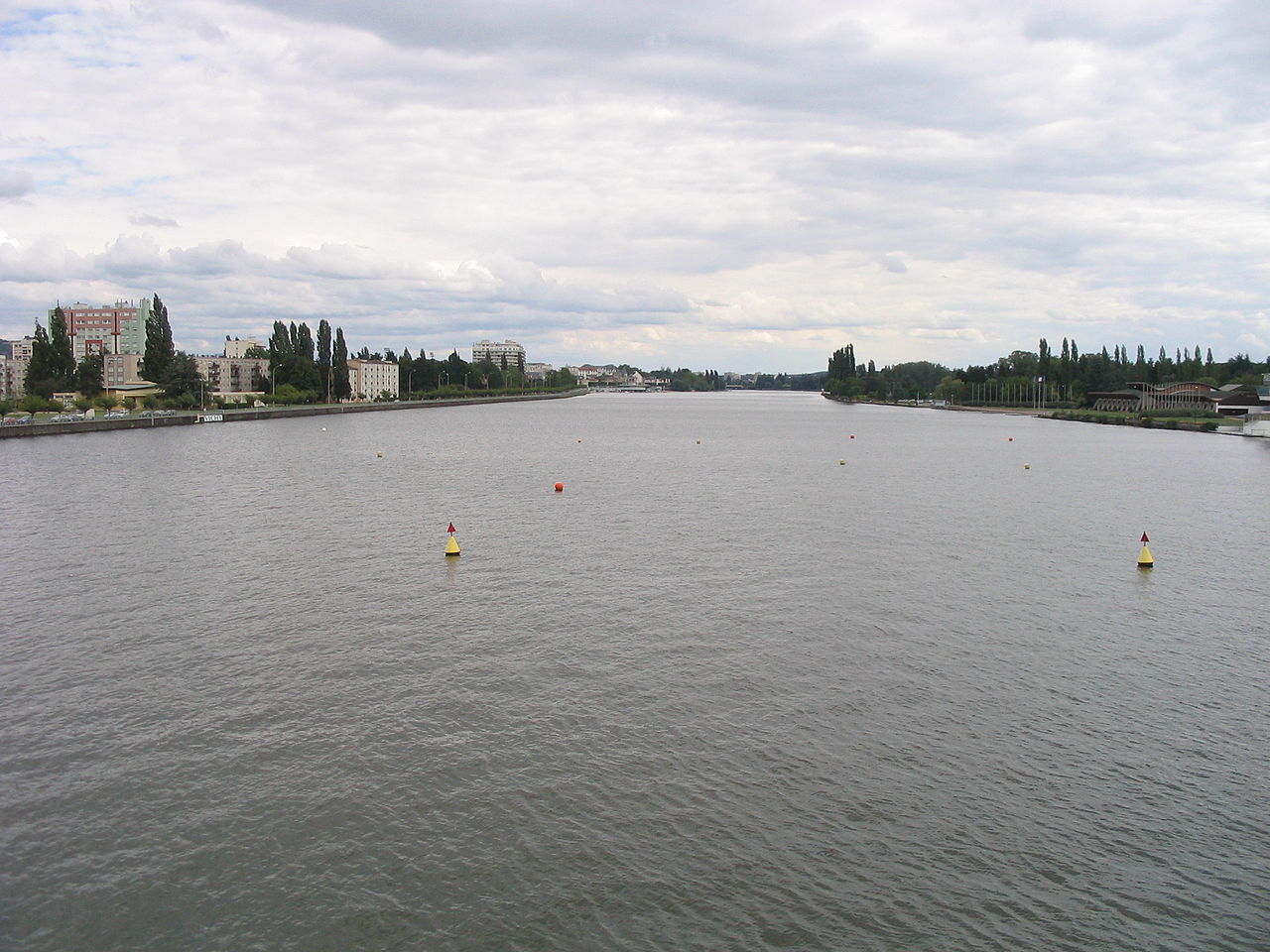





Characteristics and amenities
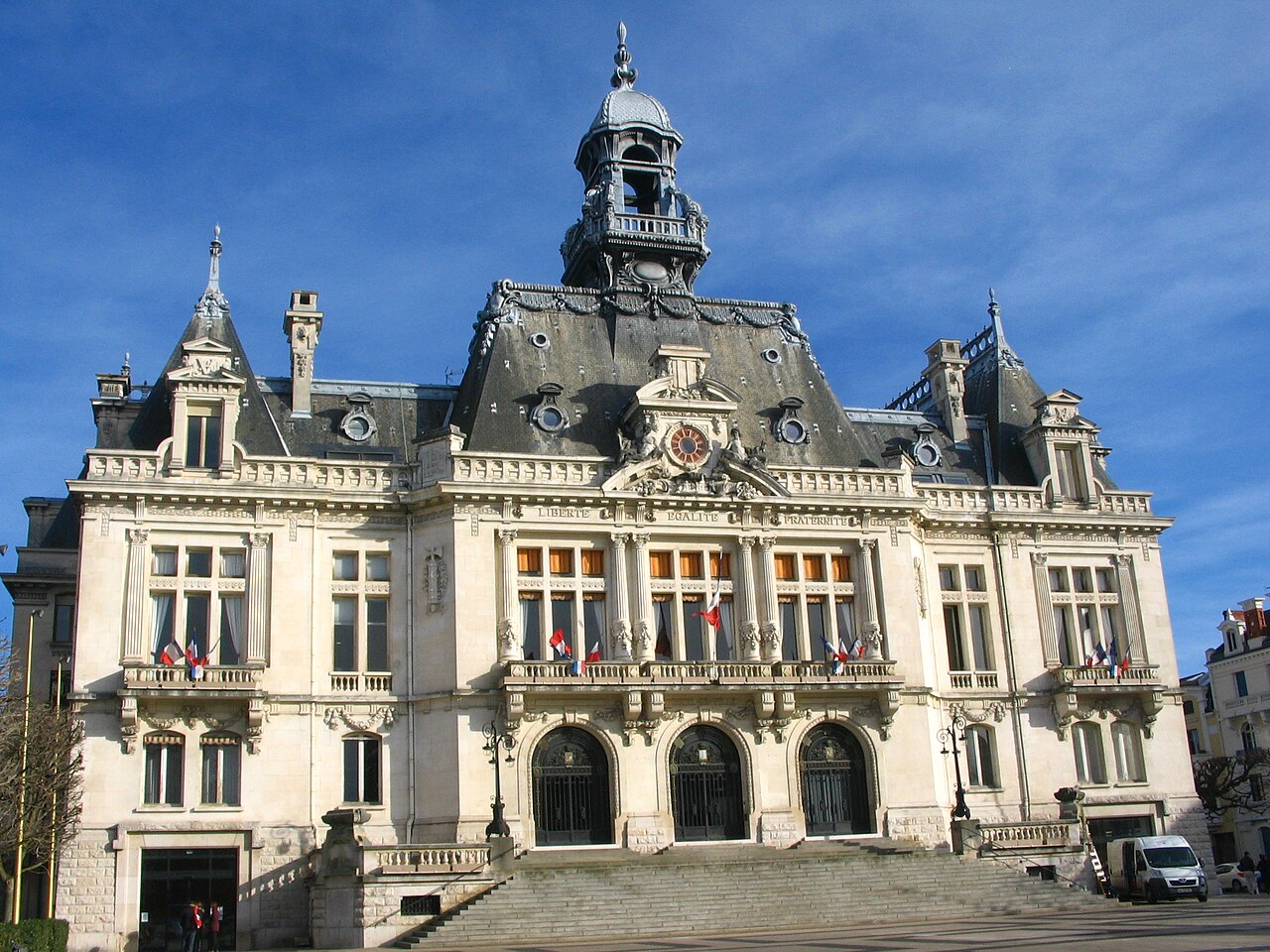
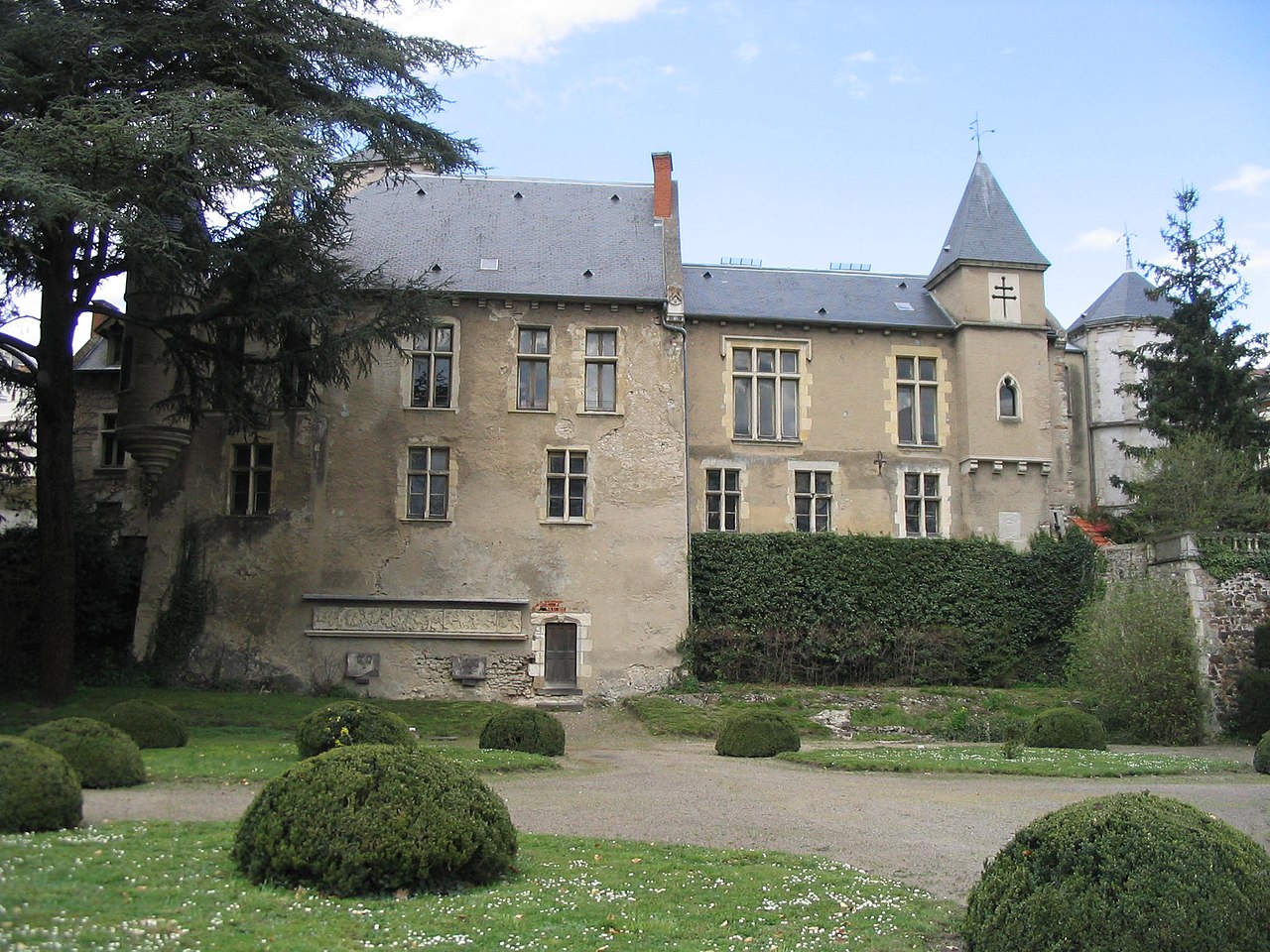
Vichy is best known for its mineral springs and long tradition of thermal therapy. The town developed substantial spa facilities and promenades during the 19th and early 20th centuries; many buildings reflect Belle Époque and 19th‑century civic styles. Parks, broad avenues and riverfront esplanades remain important features of its urban fabric.
History and significance
Although the site was occupied and visited in earlier periods, Vichy grew in prominence as a fashionable spa destination in the 1800s and early 1900s. In the 20th century it acquired a complex political legacy: from 1940 to 1944 the town hosted the government often referred to as the "Vichy regime," a fact that makes its recent history a subject of study and remembrance as well as tourism.
Economy, tourism and culture
Today Vichy’s economy blends tourism, health and wellness services, local commerce and cultural events. Visitors come for thermal cures, concerts, festivals and to explore museums and period architecture. The town’s name is also associated with bottled mineral water and various skincare brands that draw on its thermal heritage.
Notable facts and distinctions
- Commune status: local municipal government and services.
- Historic spa town with preserved promenades and gardens.
- Associated with a controversial wartime government; this legacy shapes museums and memorials.
- Located in the heart of the Bourbonnais region (historic province), offering access to nearby rural landscapes and regional cities.
Questions and answers
Q: Where is Vichy located?
A: Vichy is located in central France, in the Auvergne-Rhône-Alpes region, along the Allier river.
Q: What is the largest commune by population in the department where Vichy is located?
A: The largest commune by population in the department where Vichy is located is Montluçon.
Q: What historic province does Vichy belong to?
A: Vichy belongs to the historic province of Bourbonnais.
Q: Is Occitan spoken in Vichy?
A: Yes, Occitan (Vichèi) is spoken in Vichy.
Q: How many communes are there in the department where Vichy is located?
A: There are multiple communes in the department where Vichy is located; however, it has the second largest population after Montluçon.
Q: What type of region does Vichy belong to? A:Vichy belongs to the Auvergne-Rhône-Alpes region.
Q: What body of water runs through or near to Vichi? A:The Allier river runs through or near toVichi.
Related articles
Author
AlegsaOnline.com Vichy (France) — spa town, thermal waters and 20th‑century history Leandro Alegsa
URL: https://en.alegsaonline.com/art/104925
Sources
- books.google.com : "Vichy in History,"
- books.google.com : Frommer's France, p. 473.
- books.google.com : The Unfree French: Life Under the Occupation, p. 45.
- insee.fr : "Commune de Vichy (03310)"
- map-france.com : "Vichy"
- annuaire-mairie.fr : "Ville de Vichy"
- habitants.fr : "Allier"
- insee.fr : "Régions, départements, arrondissements, cantons et communes"
- ville-vichy.fr : "Jumelage"