
Verona, Italy: history, landmarks, and cultural significance
Verona is a city in Veneto, northern Italy, known for its Roman Arena, Shakespearean associations and UNESCO-listed historic centre. This article summarizes geography, history, sights and cultural life.
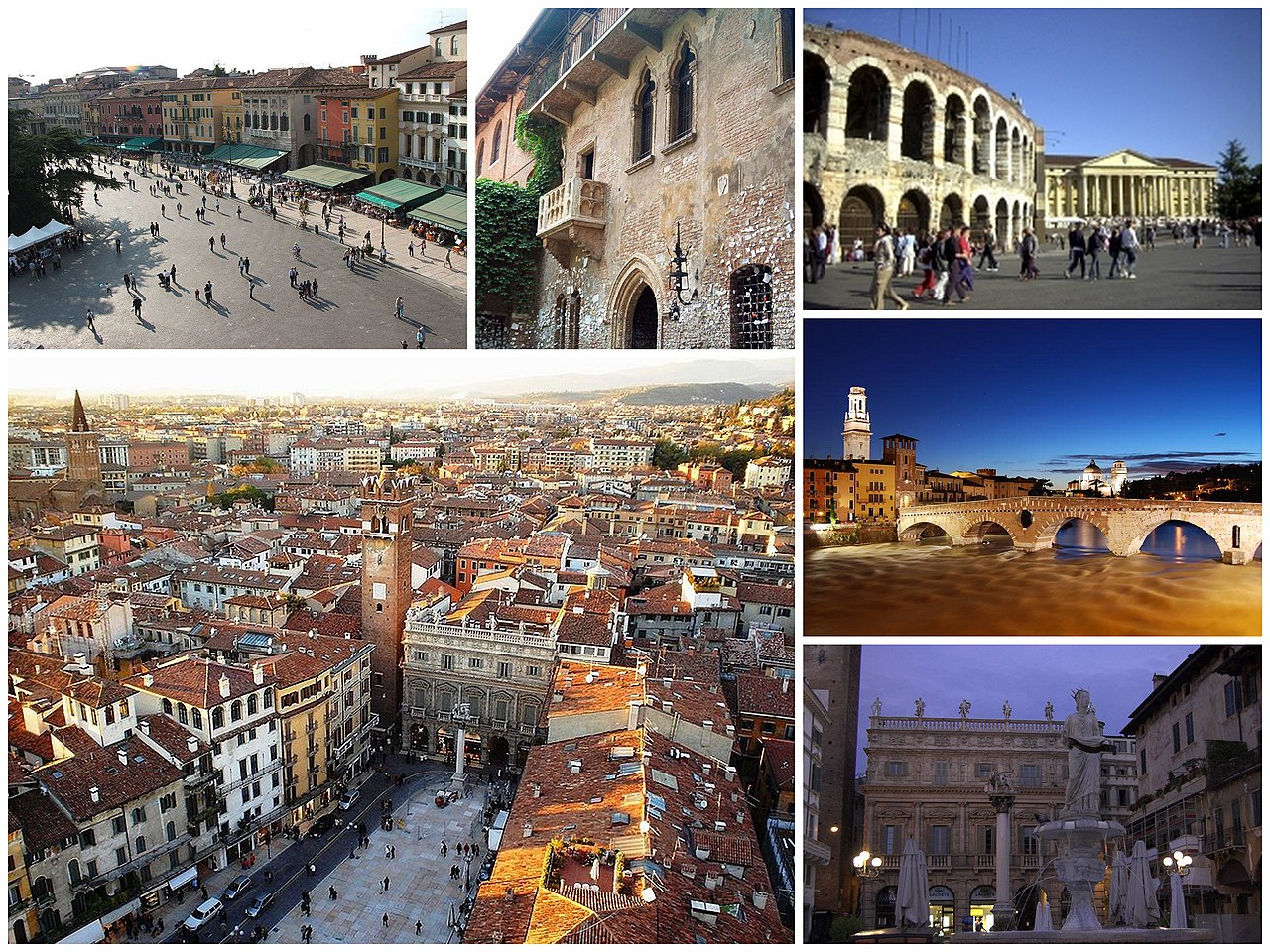
Verona is a historic city in the Veneto region of Italy, with a population of about 260,000. It stands on the banks of the Adige river and combines well-preserved Roman remains with medieval and early modern urban fabric. Shakespeare set his tragedy Romeo and Juliet here, a literary connection that has shaped the city's tourist image.

Image gallery
10 Images



Geography and climate
Verona lies at the edge of the Po Valley and benefits from a temperate, humid climate classified as humid subtropical (Cfa under the Köppen climate classification). Summers are warm and can be humid, while winters are cool with occasional fog and frost. The Adige river has influenced settlement patterns, transport and flood control measures through the centuries.
Historical outline
The city's origins trace back to antiquity when it developed as a Roman settlement and military hub; its Roman amphitheatre remains one of the most visible relics from that era. During the Middle Ages Verona grew under local dynasties and later experienced the influence of larger states, including the Venetian Republic and subsequent administrations, which shaped its architecture and institutions. Layers of Roman, medieval and Renaissance urban planning remain legible in the streets and squares.
Key landmarks and architecture
Verona's historic centre features a concentration of monuments and civic spaces that attract visitors and scholars. Notable sites include:
- The Roman Arena, a large first‑century amphitheatre still used for concerts and opera performances.
- Medieval castles, tower houses and churches that reflect the city's civic and religious history.
- Urban squares and palaces illustrating Renaissance and later architectural phases.
- The so‑called "Casa di Giulietta", a courtyard and balcony traditionally associated with Shakespeare's tale and popular with tourists.
Culture, economy and uses
Verona's economy mixes tourism, cultural events, and regional commerce. The Arena remains a focal point for large-scale cultural programs, and the city hosts trade fairs that draw an international audience. The surrounding countryside is known for agriculture and wine production, which complements the local culinary scene. Museums, theatres and annual festivals contribute to a lively cultural calendar.
Distinctions and notable facts
Verona's historic centre and its ensemble of buildings have been recognized for their outstanding preservation and urban continuity; the site is inscribed on the UNESCO World Heritage list for its architectural and historical value. Besides its Roman monuments and medieval heritage, the city's global profile is reinforced by literary association with Romeo and Juliet, attracting visitors curious about both history and the arts.
For visitors and researchers alike, Verona offers an accessible case study in how successive historical epochs can shape an urban landscape, leaving a compact and well‑documented city core where archaeology, architecture and living traditions intersect.
Related articles
Author
AlegsaOnline.com Verona, Italy: history, landmarks, and cultural significance Leandro Alegsa
URL: https://en.alegsaonline.com/art/104723