
Value (personal and cultural)
A clear introduction to personal and cultural values: what they are, how they function, how they develop and change, and how groups negotiate and prioritize competing principles.
Overview
In social and moral discourse, a value is an enduring idea or standard that guides judgments, choices, and behavior. Values are often expressed as general principles—such as honesty, freedom, or respect—that people treat as worthy in many different situations. They differ from immediate preferences in that values are more stable, abstract, and prescriptive: they tell a person or a group what ought to be done or esteemed across contexts.
Image gallery
4 Images


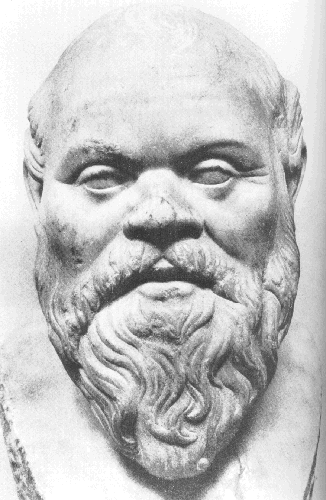
Characteristics and elements
Values share several typical features. They are:
- Abstract: stated in general terms rather than tied to one specific act.
- Prescriptive: implying obligations, priorities, or ideals.
- Durable: relatively stable over time but not immutable.
- Socially learned: transmitted through family, education, religion, and media.
- Hierarchical: often arranged so some values override others in conflicts.
Origins and development
Values arise from multiple sources. Philosophical traditions and religious teachings have long proposed systems of value—ethical codes, commandments, and virtues—that communities endorse. Anthropological research shows that cultural norms and historical circumstances shape which values are emphasized in a society. Individuals internalize values through socialization: caregivers, peers, institutions, and rituals all contribute to forming a personal value set that reflects both local culture and individual experience. For introductions to foundational ideas about values, see related materials.
Functions, examples, and practical importance
Values serve several practical functions. They provide criteria for making decisions, justify social rules and laws, foster group identity, and motivate action. Examples include personal values such as integrity or thrift; professional values like impartiality in journalism or confidentiality in medicine; and cultural values such as collectivism or individualism. Organizations often translate abstract values into codes of conduct and best practices so that principles can be applied in everyday situations.
Conflicts, change, and negotiation
Values sometimes conflict—honesty versus compassion, autonomy versus safety—and groups must negotiate which value should take precedence. Societies may codify priority orders, create procedures for balancing values, or promote compromise through policy and education. Values also change: technological shifts, migration, economic pressures, and intercultural contact can reframe what a community regards as important. Social researchers use surveys and qualitative studies to map how values vary and evolve; for methods and examples, consult research resources.
Distinctions and notable points
It is useful to distinguish values from related concepts: norms are specific expected behaviors derived from values; beliefs are convictions about facts or causes; and attitudes are evaluative tendencies toward particular objects. While values are broad and relatively enduring, norms and attitudes can be more situational and changeable. Many collective undertakings—law, education, business ethics, and diplomacy—depend on explicit or implicit lists of values and on agreement about their ordering. For summaries and further context, see additional references.
Understanding values clarifies why people and groups act the way they do, why disagreements persist, and how societies attempt to reconcile competing principles. Through cultural practice, reflection, and dialogue, values continue to be articulated, defended, and revised.
Related articles
Author
AlegsaOnline.com Value (personal and cultural) Leandro Alegsa
URL: https://en.alegsaonline.com/art/104110