
Vamachara (Left‑Hand Path): Tantric practices beyond conventional norms
Vamachara, the Left‑Hand Path in Tantra, designates ritual paths that transgress social and purity norms. This article explains its features, practices, historical context, aims, and distinctions from right‑hand approaches.
Overview
Vamachara (literally "left conduct" or "left‑hand path") is a technical term used in some strands of tantra to describe ritual approaches that deliberately engage with actions and substances regarded as taboo by mainstream social or religious norms. Practitioners see these transgressive elements as tools for overcoming attachment to social categories and personal limitations, aiming at liberation, unity with the divine, or the transformation of consciousness. For more on the broader tradition that contains these currents, see tantra.
Image gallery
3 Images

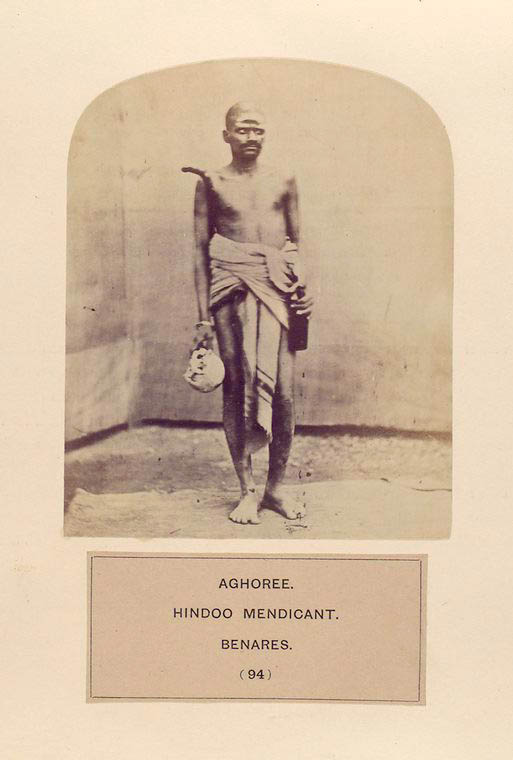
Characteristics and common practices
Characteristic features of Vamachara include ritual use of elements normally proscribed by caste, purity rules or ascetic codes. Texts and traditions describe both symbolic and literal engagements with those elements; different communities interpret and apply them in diverse ways. A well‑known grouping of ritual items associated with some left‑hand practices is the panchamakara or "five Ms," which are variously listed as wine, meat, fish, certain grains or ritual gestures, and a sexual rite. Emphasis is placed on intense, direct experience rather than mere doctrinal assent.
- Use of taboo substances (alcohol, meat, certain drugs) as sacrament.
- Ritualized sexual practices intended as methods of unitive spiritual experience.
- Performance in places or with people regarded as impure by orthodox standards.
- Techniques for dissolving dualities — sacred/profane, pure/impure — as a path to realization.
Historical development
Vamachara emerged within wider tantric currents that developed in South Asia during the early medieval period and later. Various tantric lineages and sects incorporated left‑hand elements to differing extents; some integrated them into complex ritual systems, while others emphasized symbolic interpretation. Over centuries these practices have been recorded in ritual manuals, commentaries and the biographies of particular teachers, but accounts vary and later observers often misrepresented or sensationalized them.
Religious aims and significance
For adherents, the point of transgression is not shock for its own sake but a disciplined and conscious use of boundary‑breaking actions to confront ego, fear, and socially conferred limitations. By voluntarily entering contexts labeled "impure," the practitioner seeks to realize the ultimate unity that transcends social divisions. In many communities the practices are embedded in strict initiation, ethical constraints, and a teacher‑student relationship meant to prevent abuse and misunderstanding.
Distinctions, controversies and modern reception
Vamachara is commonly contrasted with Dakshinachara, the "right‑hand path," which adheres more closely to conventional ritual purity and moral norms. Scholarship today stresses careful historical and contextual study: some lineages practiced transgression literally, others used ritual symbolism or internal visualizations. Colonial descriptions and popular retellings frequently distorted or exoticized these currents; contemporary researchers and practitioners often emphasize nuance, regulation, and spiritual intent rather than sensationalism. In modern times concepts of left‑ and right‑hand paths have also been reinterpreted outside South Asia in new religious and esoteric contexts, but those appropriations differ substantially from the original tantric milieus.
Further reading
Because practice and meaning vary widely across regions and lineages, reliable study benefits from reading primary ritual texts alongside modern scholarly analysis and, when possible, responsibly presented practitioner accounts. For introductions to the broader tradition that contains these currents, consult general works on tantra and its history.
Related articles
Author
AlegsaOnline.com Vamachara (Left‑Hand Path): Tantric practices beyond conventional norms Leandro Alegsa
URL: https://en.alegsaonline.com/art/104122