
Belu Regency (Kabupaten Belu) — West Timor, East Nusa Tenggara
Belu Regency is an Indonesian regency on western Timor Island, centered on Atambua. It borders Timor-Leste and is noted for agriculture, cross-border exchanges, and distinct Timorese cultural traditions.
Overview
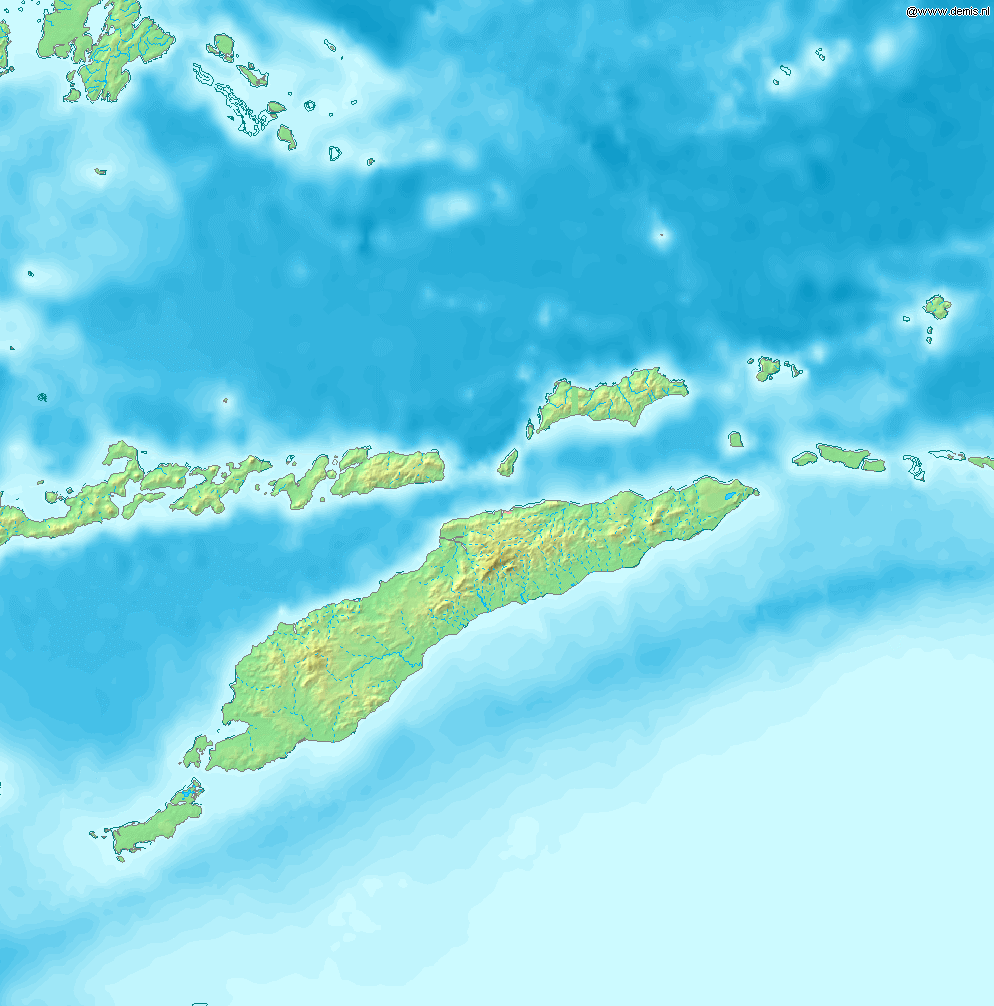
Belu Regency is an administrative regency (Indonesian Kabupaten) located on the western portion of Timor Island within the province of East Nusa Tenggara. It forms part of the Indonesian state and is one of several regencies on West Timor. The regency's administrative center is the town of Atambua, which serves as the largest urban hub for government services, commerce and transport.
Image gallery
3 Images

Geography and administration
Belu lies along the island interior and meets an international land border with the sovereign state of Timor-Leste. The terrain combines inland plains and modest hills; much of the population lives in rural communities. Administratively the regency is subdivided into districts and villages, each responsible for local governance under the wider provincial and national authorities.
History and border significance
Belu's history reflects centuries of local Timorese culture and periods of European colonial influence. During the late 20th century the area gained attention because of events on the neighboring side of the island; its proximity to Timor-Leste has made it strategically and humanitarianly significant during times of cross-border movement and political change.
Economy and livelihoods
The local economy is largely agricultural, with households cultivating staple crops and tending livestock. Small-scale trade, markets in Atambua, and cross-border commerce with Timor-Leste contribute to livelihoods. Services, public administration and remittance flows also play roles in the regional economy.
Culture, language and society
Belu is culturally Timorese, with local languages and customs practiced alongside the national language, Indonesian. Traditional ceremonies, community structures and Catholic religious life are prominent in many towns and villages. Cultural ties across the border remain strong owing to shared ethnic and familial connections.
Transport, points of interest and notable facts
- Atambua functions as the main transport and service center, linking rural districts to provincial routes.
- The regency includes at least one official land border crossing with Timor-Leste, facilitating regulated movement and trade.
- Belu is often mentioned in regional planning for its role in cross-border cooperation and local development.
For further administrative and geographic context see provincial resources on Indonesian governance and the wider provincial overview for East Nusa Tenggara.
Related articles
Author
AlegsaOnline.com Belu Regency (Kabupaten Belu) — West Timor, East Nusa Tenggara Leandro Alegsa
URL: https://en.alegsaonline.com/art/10408