
East Nusa Tenggara (Nusa Tenggara Timur) — Indonesian province overview
East Nusa Tenggara (Nusa Tenggara Timur) is an Indonesian province in the eastern Lesser Sunda Islands, known for its many islands, Christian majority, Komodo dragons, Kelimutu lakes and growing tourism.
East Nusa Tenggara (Indonesian: Nusa Tenggara Timur, often abbreviated NTT) is a province of Indonesia located at the eastern end of the Lesser Sunda archipelago. It occupies the eastern segment of the Lesser Sunda Islands, stretches between the Indian Ocean to the south and the Flores Sea to the north, and comprises more than five hundred islands. The largest landmasses are the islands of Sumba, Flores and the western portion of Timor. The provincial capital and principal city is Kupang.
Image gallery
10 Images





Geography and administration
East Nusa Tenggara covers roughly 47,245.82 km2 and contains a mix of rugged mountains, savanna-like plains, dry seasonal forests and coastal lowlands. The province shares a land border with the sovereign state of East Timor on Timor island. Administratively it is divided into twenty-one regencies and one autonomous regency-level city (regencies and Kupang), each with local governments responsible for public services and development.
People, languages and religion
NTT is culturally diverse: dozens of distinct indigenous languages and ethnic groups are spoken and practised across its islands. Unlike most Indonesian provinces, the majority of the population in East Nusa Tenggara adheres to Christianity; Roman Catholicism is the largest single denomination, making NTT unique among provinces of Indonesia. Traditional beliefs and syncretic practices remain important in many communities.
Economy and livelihoods
The provincial economy is largely based on agriculture, fishing and small-scale trade. Many communities engage in subsistence farming, raising crops such as maize, cassava and rice where rainfall permits, while livestock and sea products are important sources of income. Overall development indicators lag behind national averages, but the region has been a focus for infrastructure and social programs. Tourism has grown as a source of revenue, especially around well-known natural attractions.
Natural attractions and conservation
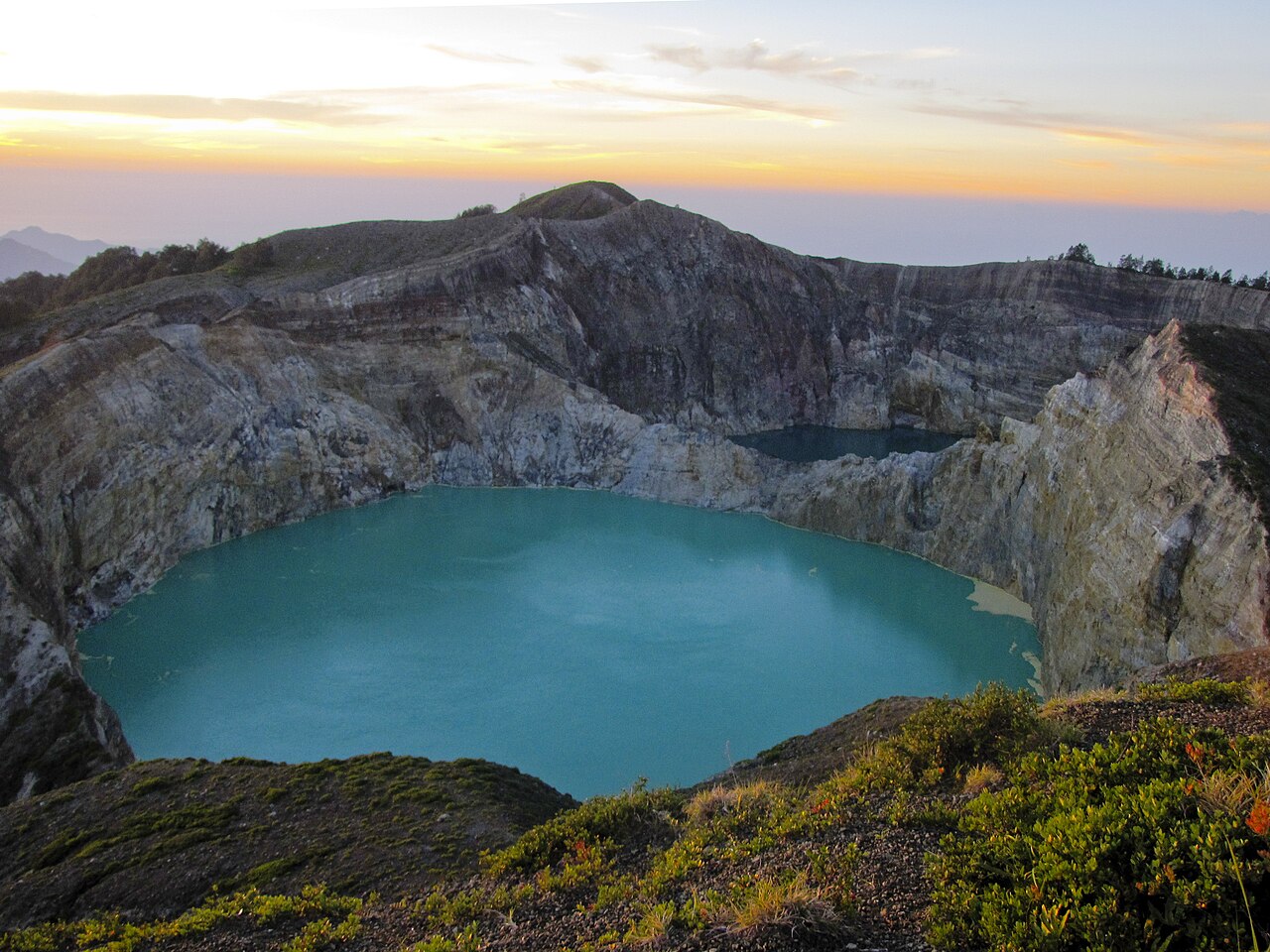
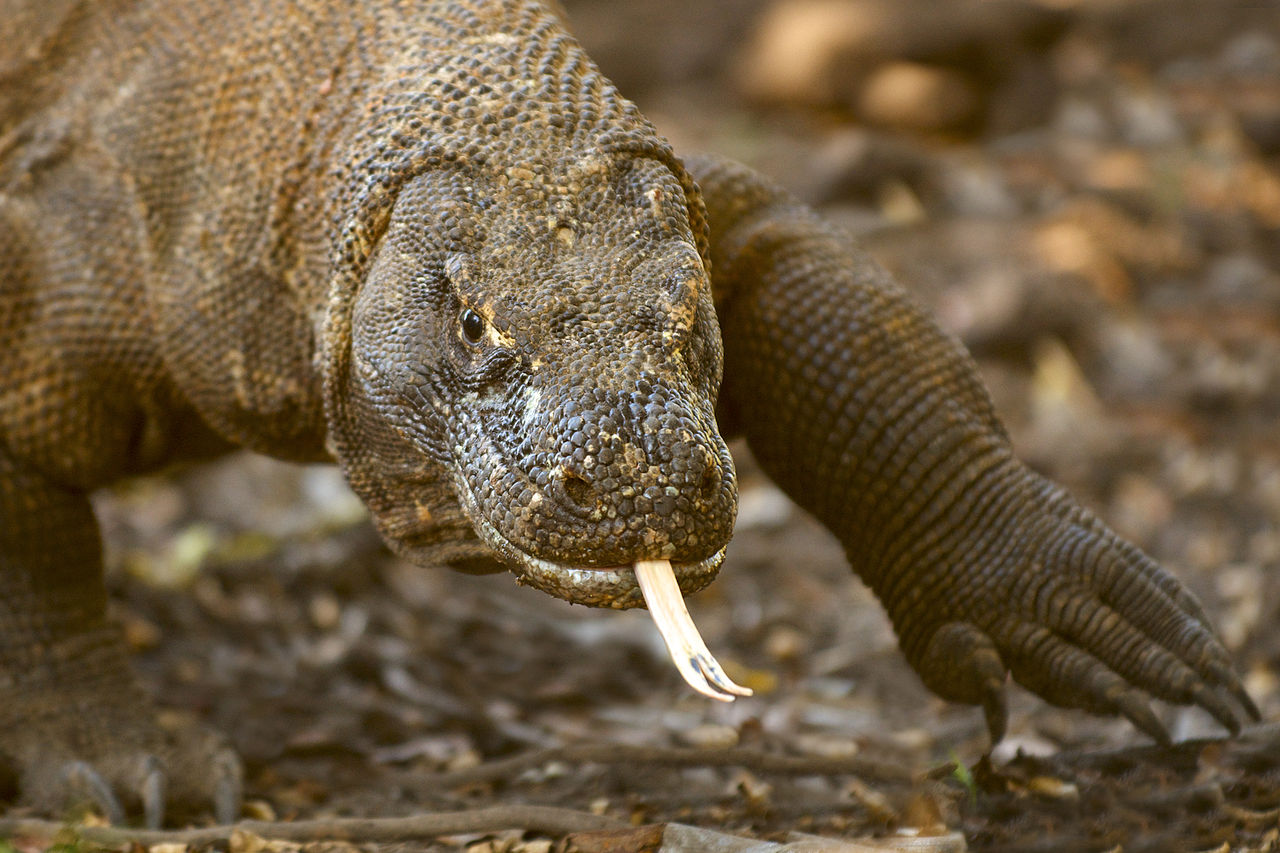
East Nusa Tenggara draws attention for several distinctive natural sites. Komodo National Park — a UNESCO-listed marine and terrestrial park — protects the famous Komodo dragon as well as reefs and endemic flora. Flores is famed for Mount Kelimutu and its dramatic tri-coloured crater lakes. Sumba is recognized for traditional woven textiles and megalithic culture, while Timor’s landscapes include savanna and highland forests. Conservation efforts balance growing tourism with the protection of fragile habitats and endemic species.
History and notable facts
The islands of East Nusa Tenggara have long been part of regional trade routes and were influenced by Austronesian migrations, local kingdoms and later European colonial powers. The proximity to East Timor shapes cross-border ties and history. Modern NTT continues to attract visitors and researchers interested in its biodiversity, island cultures and distinctive religious landscape.
Further information
Questions and answers
Q: What is East Nusa Tenggara?
A: East Nusa Tenggara (NTT) is a province of Indonesia located in the east part of the Lesser Sunda Islands. It faces the Indian Ocean to the south and the Flores Sea to the north.
Q: How many islands are there in East Nusa Tenggara?
A: There are more than 500 islands in the province. The largest islands are Sumba, Flores, and the western part of Timor.
Q: Is there a land border between East Nusa Tenggara and another country?
A: Yes, there is a land border between East Nusa Tenggara and East Timor.
Q: What religion do most people practice in East Nusa Tenggara?
A: Most people in East Nusa Tenggara practice Christianity, with Roman Catholicism being the main religion.
Q: What is the population of East Nusa Tenggara according to 2010 Census?
A: According to 2010 Census, the population of East Nusa Tenggara was 4,683,827. An official estimate of its population as of January 2014 was 5,070,746.
Q: Is tourism growing in this province?
A: Yes, tourism is growing here with Labuan Bajo, Komodo National Park and Mount Kelimutu being some well-known attractions for tourists.
Related articles
Author
AlegsaOnline.com East Nusa Tenggara (Nusa Tenggara Timur) — Indonesian province overview Leandro Alegsa
URL: https://en.alegsaonline.com/art/29685
Sources
- bps.go.id : Central Bureau of Statistics: Census 2010 · web.archive.org
- ntt.bps.go.id : 2017 estimate